
Pixels, platforms, and policies that shape a national pastime.
From Internet Cafés to Stadium Lights
Two decades ago, gaming in China was rooted in smoky internet cafés where students queued for timed sessions. Today, the scene stretches from living rooms to arenas filled with thousands of fans. Professional leagues schedule regular seasons, teams run training houses, and finals attract viewership that rivals television dramas. The jump reflects more than better graphics. It signals how entertainment, technology, and identity converged to create a mass culture with its own heroes, rivalries, and rituals.
A Multi Layered Industry
Gaming in China is a full stack economy. Publishers build franchises, mobile platforms handle distribution, payment systems process microtransactions, and streaming services turn elite players into celebrities. Merchandise, sponsorships, and offline events add revenue streams. University programs teach game design and event management, while community colleges offer short courses in shoutcasting and production. The career ladder now includes coaches, analysts, sports psychologists, and data engineers who optimize reaction time and strategy.
Mobile dominates because it matches daily habits. Commuters play short sessions on trains, while longer raids happen at night. Cross platform titles let players start on phones and finish on PCs, blurring old boundaries. Seasonal content keeps attention fresh through new maps, characters, and cosmetic items that give social status inside the game world.
Esports as Spectacle and Discipline
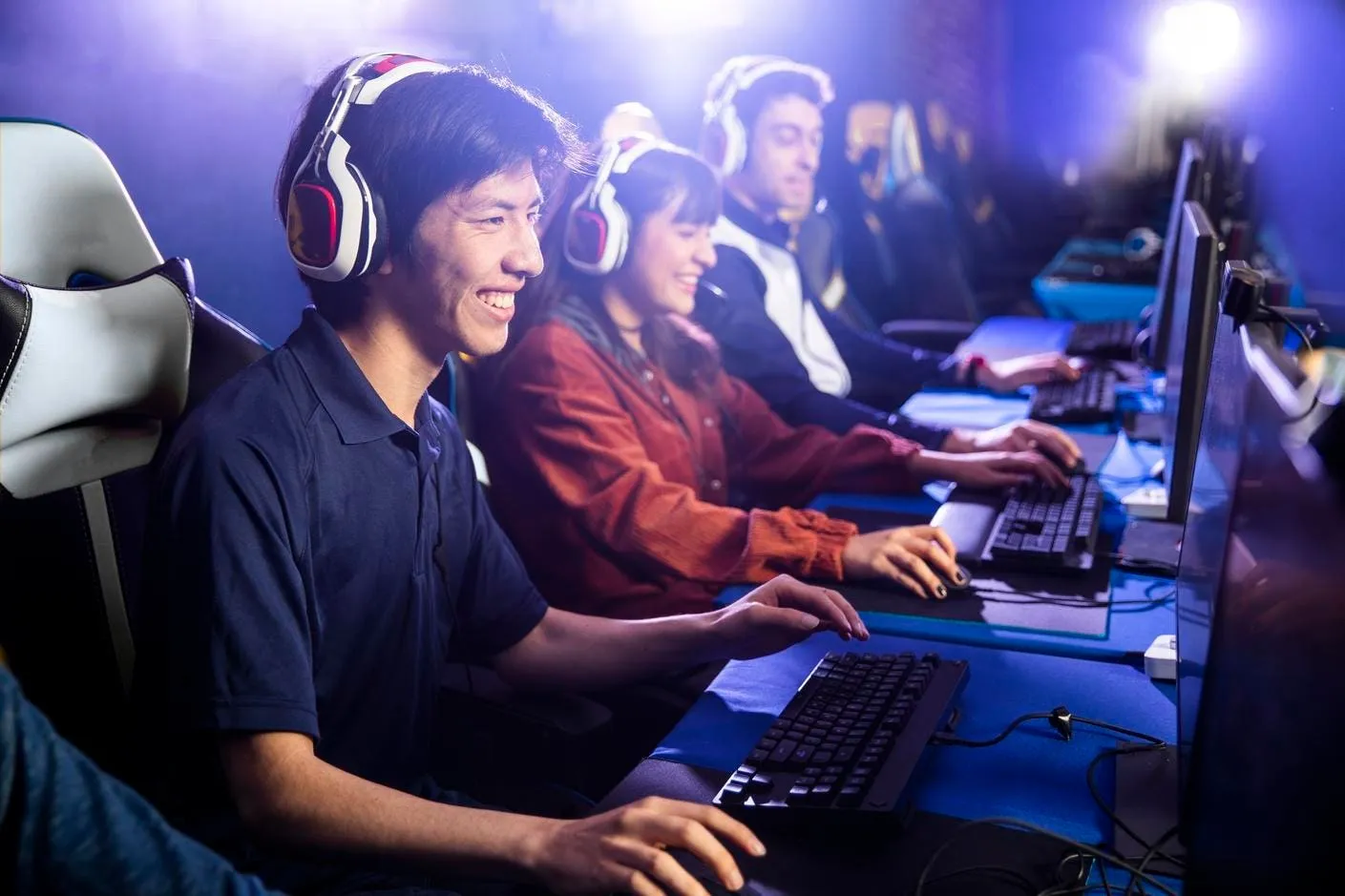
Professional players follow strict routines. They review match footage, drill mechanics, and scrimmage against practice squads. Nutrition and sleep schedules are tracked, and reflex tests measure performance over weeks. Teams brand themselves like startups, with social media managers crafting narratives around scrappy rookies, veteran captains, and underdog runs. Stadium production borrows from concert and sports aesthetics, pairing light shows with live commentary and instant replays that translate fast decision making into digestible arcs.
For fans, the experience blends sport and fandom. Chants, banners, and coordinated light sticks turn arenas into choreographed spaces. Online, supporter clubs share memes, tactical breakdowns, and charity drives connected to team milestones.
Regulation and Guardrails
Rapid growth invited oversight. Authorities set playtime limits for minors, strengthened real name verification, and reviewed content for themes considered harmful. Publishing approvals slowed when risk signals rose, reminding investors that the sector moves within clear boundaries. Companies responded with parental control tools, youth academies focused on healthy routines, and compliance teams that read policy as closely as patch notes.
Supporters argue that guardrails protect young players and steer the industry toward better design. Critics worry about unpredictability and creative caution. In practice, developers learn to balance reward loops with social elements that encourage cooperation rather than endless grind.
Culture and Community
Gaming communities are creative engines. Cosplayers craft armor from foam and resin for convention halls. Fan artists illustrate team mascots, while musicians remix theme songs into dance tracks. Local cafés host viewing parties with trivia contests and limited edition menus. The result is a neighborhood economy that ties digital play to physical gathering. Even families adapt. Parents who once frowned at games now attend finals when a child’s team reaches playoffs, discovering that strategy and teamwork underlie the spectacle.
Education and Skill Transfer
Schools and universities experiment with esports clubs and elective courses. Faculty frame teamwork, communication, and decision analytics as transferable skills. Debate clubs collaborate with gaming societies to host tournaments that include commentary and post game interviews. A few high schools use games to teach probability, statistics, and game theory, showing students how strategy unfolds under uncertainty. These experiments do not claim that every gamer becomes a pro. They suggest that organized play can teach habits valuable beyond the screen.
International Play and Soft Power
Chinese teams compete in global tournaments from battle arenas to tactical shooters. Wins become moments of national pride, and losses trigger post mortems from fans who treat drafts and compositions like chess openings. International rosters and coaches create hybrid styles that spread quickly across regions. Meanwhile, streaming stars collaborate with creators abroad, exchanging challenges and charity streams that build cross cultural rapport. Games become informal diplomacy, where cooperation and rivalry feel playful rather than zero sum.
Frictions That Persist
The industry still faces headwinds. Player burnout is common, with careers peaking early. Toxic chat and cheating erode trust, pushing platforms to invest in reporting tools, better matchmaking, and strict anti cheat systems. Monetization remains a tightrope. Cosmetic stores fund development, yet aggressive sales can alienate players who want fair progression. Small studios struggle to be discovered in an ecosystem dominated by giants, even as indie showcases try to level the field.
The Next Frontier
Cloud gaming promises high fidelity experiences on modest devices, while artificial intelligence personalizes difficulty and coaching. Mixed reality could turn living rooms into arenas, merging physical movement with digital rules. Policy will keep shaping what is possible, but the direction is clear. Gaming is part of the cultural core, not a side hobby. The best teams will be those that master not only reflexes but community building, wellness, and responsible design.
Conclusion: A New Public Square With Headsets
China’s gaming and esports story reveals how a pastime can become a public square. Friends meet in guilds, cities host finals, brands attach themselves to narratives of grit and strategy, and regulators set norms for a maturing medium. If cinema was the twentieth century’s shared screen, esports is one of the twenty-first century’s shared stages. Its future will be written by developers who respect players, players who respect limits, and fans who keep turning competition into community.

