
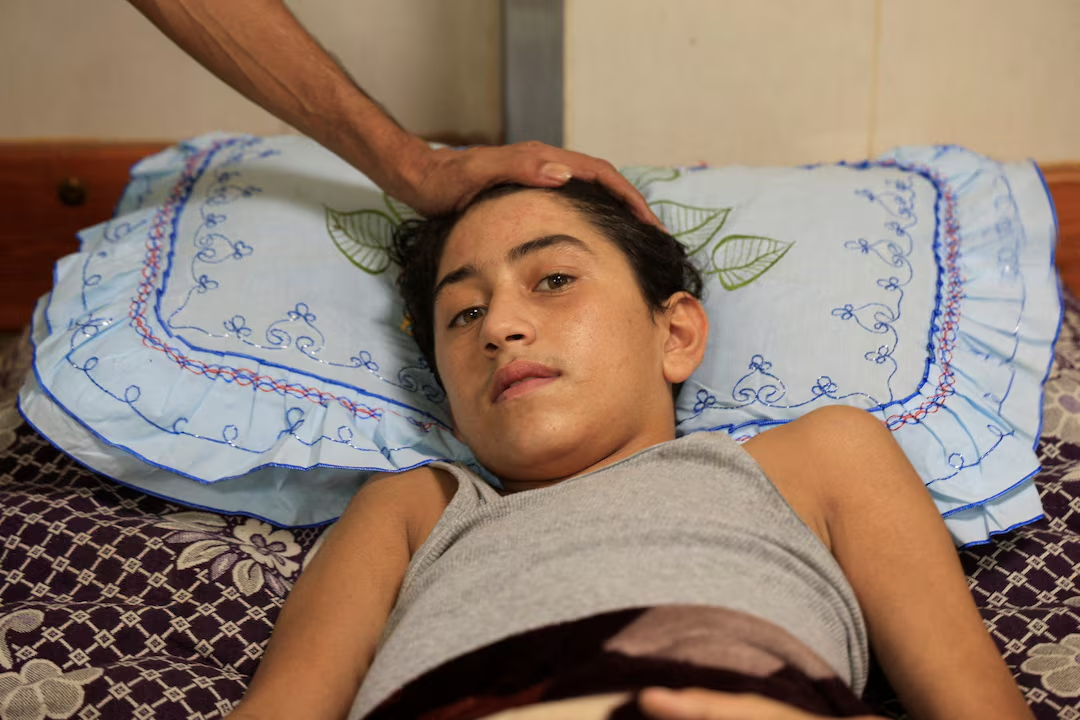
In the overcrowded corridors of Gaza’s remaining hospitals, patients lie on stretchers, waiting for treatment that may never come. Weeks after the latest wave of fighting subsided, the health system in the territory is collapsing under the weight of thousands of injuries, shortages of medicine, and dwindling medical staff.
Doctors say they are working around the clock, often without basic supplies such as anesthesia, antibiotics, or clean bandages. “Every day feels like a struggle between life and death,” said Dr. Ayman Khalil, a surgeon at Al-Shifa Hospital in Gaza City. “We have too many patients and too few resources. Sometimes we have to decide who gets treated first, and that decision breaks your heart.”
The humanitarian crisis has deepened as hospitals continue to receive victims of earlier strikes, displaced families suffering from disease, and malnourished children from overcrowded shelters. Many hospitals operate only partially after sustaining structural damage, while others have lost access to electricity and fuel for generators. Medical staff say that surgeries are often performed by flashlight, and intensive care units depend on backup power that can fail without warning.
According to the Palestinian Ministry of Health, more than half of Gaza’s hospitals are no longer fully functional. Ambulances face long delays due to damaged roads and security checkpoints, leaving many wounded without timely care. “We sometimes drive for hours just to move one patient,” said an ambulance driver from Khan Younis. “People are dying not because of their wounds, but because we cannot reach them in time.”
International aid organizations have warned that the healthcare system is at a breaking point. The World Health Organization (WHO) has called for immediate humanitarian access and the delivery of essential medical supplies. “Gaza’s doctors and nurses are performing miracles with almost nothing,” a WHO spokesperson said. “Without urgent support, the system could collapse entirely.”
For patients like Nadia al-Safadi, a mother waiting outside a damaged clinic with her injured teenage son, the wait feels endless. “They told us to come back tomorrow, but tomorrow never comes,” she said softly. “We just sit and pray that he makes it.”
Humanitarian groups say the combination of war damage, economic blockade, and chronic shortages has made recovery nearly impossible. Even as ceasefire talks continue, hospitals remain the most visible reminder of Gaza’s suffering places meant to heal, now overwhelmed by pain.
“People think the war ends when the bombs stop,” Dr. Khalil said. “But for us, it never ends. The wounded keep coming, and the medicine keeps running out.”

