
Dining with Chinese friends or colleagues is a wonderful way to experience culture, hospitality and community. But Chinese dining etiquette is also guided by long standing traditions that emphasize respect, harmony and courtesy. Knowing these customs helps you feel confident at the table and shows appreciation for your hosts.
Where and when to sit
Seating arrangements carry great importance in formal dining situations. The most honored guest or the person of highest status takes the seat facing the entrance or facing east. This individual may be the eldest person present, a teacher, a host or even a company leader. Guests with higher status sit closest to this seat, while the least prestigious seats are usually those near the entrance. As a guest, wait for the senior or honored individuals to sit first before you take your own seat.
Once seated, tea is usually served immediately. The teapot will remain at the table, and it is polite to pour tea for others before filling your own cup. This simple gesture communicates respect and attentiveness toward your dining companions.
For hygiene, many tables come with hot water or tea for rinsing bowls, plates and chopsticks. Each person washes their own utensils and pours the used water into a provided bowl. It may seem unusual to newcomers, but it is a long standing practice meant to ensure cleanliness.
On formal occasions, the host typically chooses the dishes. You may offer suggestions, but the final decision rests with them. Most formal meals are served on a round table featuring a Lazy Susan, making it easy for everyone to share the dishes placed in the center.
A feast of shared dishes
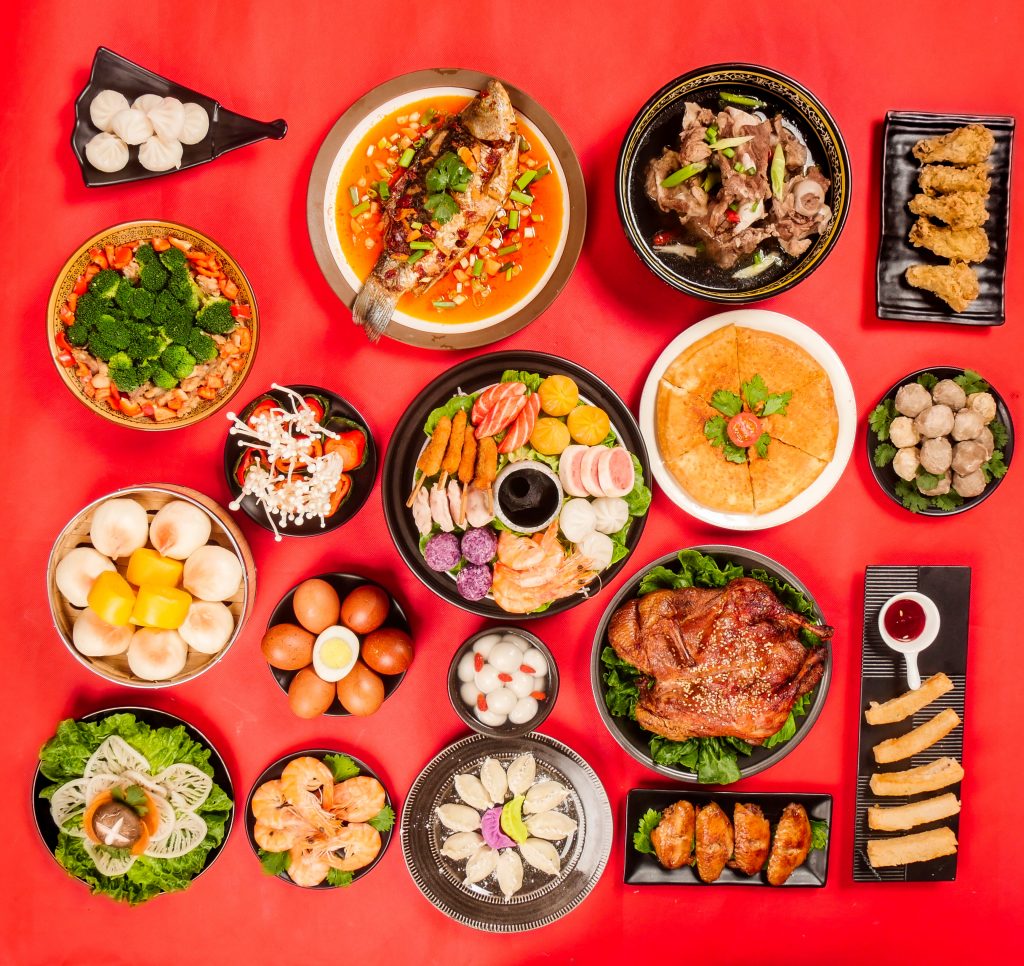
Unlike Western dining, where individuals often order separate plates, Chinese meals are almost entirely communal. At celebrations such as weddings or banquets, you can expect ten or more dishes. Appetizers such as crispy noodles or salted peanuts usually arrive first, followed by a hot soup. The main dishes then begin to circulate, offering classics like steamed fish, Peking duck, roasted suckling pig and lobster. Noodles or rice serve as staple dishes, and dessert often consists of fruit, sweet soup, steamed buns or pudding.
Essential dos for proper etiquette
Let senior or higher status guests begin eating first. This small gesture conveys respect and acknowledges your place at the table. When eating rice, lift your bowl rather than leaving it on the table. Chinese dishes are served in bite sized portions, so chopsticks are the primary utensil and with a little practice, they become easy to use.
Show consideration for others at all times. When rotating the Lazy Susan, take what is in front of you rather than reaching across the table. Be attentive to your dining companions and pace yourself so everyone can enjoy the meal together.
Important don’ts to avoid
Certain behaviors are strongly discouraged. Never stick your chopsticks vertically into a bowl of rice, as it resembles a funerary ritual and is considered extremely bad luck. Avoid slurping soup loudly, talking with your mouth full or gobbling food too quickly. Do not tap or play with your chopsticks, point them at others or use your personal chopsticks to reach into communal dishes. Serve yourself modest portions and avoid dominating shared dishes. Using your phone during the meal is also viewed as disrespectful unless absolutely necessary.
Finally, tipping is generally not expected in Chinese restaurants. If a tip is required, it will usually be included in the bill.
Dining with respect and enjoyment
Chinese dining etiquette centers on harmony, courtesy, and shared enjoyment. By observing these customs, especially offering respect to your hosts and fellow diners, you not only show cultural understanding but also enrich your experience at the table. Whether attending a banquet or enjoying a simple family-style meal, these traditions make Chinese dining warm, communal, and unforgettable.

