
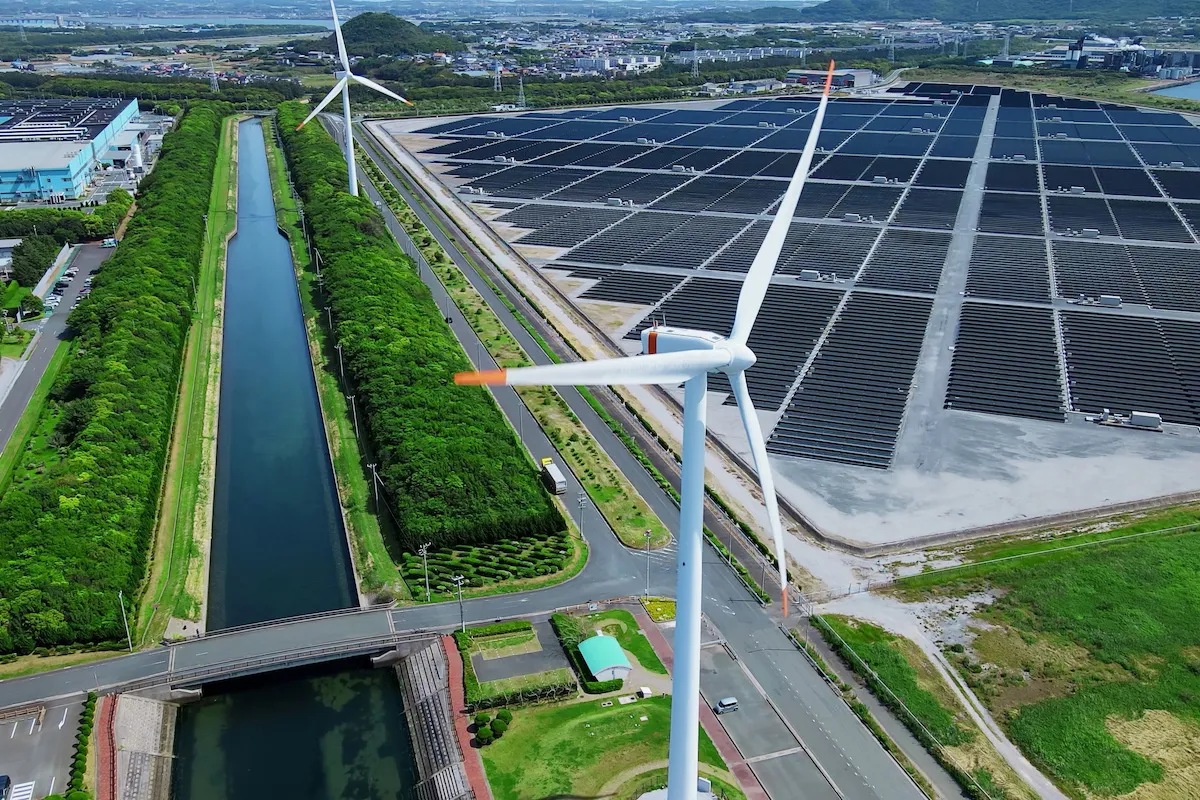
Pakistan is accelerating its transition toward renewable energy with a wave of large-scale solar parks and hybrid green power projects being developed under the CPEC framework. These initiatives mark a decisive move to reduce dependence on imported fuels, address energy shortfalls, and meet global sustainability goals. The government’s updated Alternative and Renewable Energy Policy sets a target of generating 60 percent of electricity from clean sources by 2030, and CPEC is emerging as the central channel for achieving this transformation.
Expanding Solar and Wind Projects Nationwide
Recent developments include new solar parks in Bahawalpur, Layyah, and Balochistan, supported by Chinese firms specializing in advanced photovoltaic technologies. The Quaid-e-Azam Solar Park in Punjab, already one of the largest in Asia, is being expanded to double its capacity with state-of-the-art high-efficiency modules. In Sindh, wind corridors are now integrated with battery storage systems to ensure power continuity. These renewable energy corridors are creating a diversified power mix that supports both urban industries and rural electrification.
CPEC’s Role in Financing the Green Shift
China’s financing institutions, including the Silk Road Fund and the Export–Import Bank of China, have prioritized green projects in their CPEC investment portfolios. Pakistan’s Ministry of Energy has collaborated with these partners to design hybrid energy contracts that attract private capital while ensuring long-term affordability. The integration of solar and wind energy within CPEC’s infrastructure projects represents a critical evolution from conventional power investments to environmentally sustainable energy models.
Technological Transfer and Local Manufacturing
The new renewable projects are also supporting Pakistan’s ambitions to localize clean energy production. Chinese companies are partnering with Pakistani manufacturers to produce solar panels, inverters, and battery units domestically. This not only reduces import dependence but also generates skilled jobs in energy technology and maintenance sectors. Research institutions in Lahore and Karachi are working jointly with Chinese labs to innovate in thin-film solar cells and grid integration software, ensuring technology transfer becomes a foundation for self-reliance.
Reducing Carbon Footprint and Energy Deficit
Pakistan’s renewable expansion is expected to reduce annual carbon emissions by millions of tons and significantly decrease fuel import bills. The hybrid model combining solar, wind, and hydroelectric power is stabilizing the national grid while ensuring a low-cost and sustainable energy supply. CPEC’s focus on renewable sources aligns with the government’s commitment under the Paris Climate Agreement and enhances Pakistan’s reputation as a responsible participant in global environmental governance.
Rural Electrification and Inclusive Growth
A major component of the new projects involves extending electricity access to underserved regions. Off-grid solar microgrids and small-scale wind systems are being deployed in Balochistan, Gilgit-Baltistan, and southern Punjab. These projects provide power to schools, hospitals, and small businesses, directly improving quality of life and promoting rural entrepreneurship. The use of digital monitoring tools allows for efficient maintenance and transparency in energy delivery.
Toward an Integrated Green Economy
Pakistan’s renewable energy progress under CPEC is not only an infrastructure achievement but also a social and environmental milestone. By linking energy projects with industrial growth and community development, the country is laying the foundation for a resilient green economy. The collaboration with China demonstrates how technology, finance, and policy can converge to produce sustainable development outcomes.
The solar and wind corridors emerging under CPEC are more than power projects they are symbols of a long-term commitment to clean growth, climate responsibility, and economic modernization. Pakistan’s green transition, powered by regional cooperation, will shape its energy security and environmental future for generations to come.

