
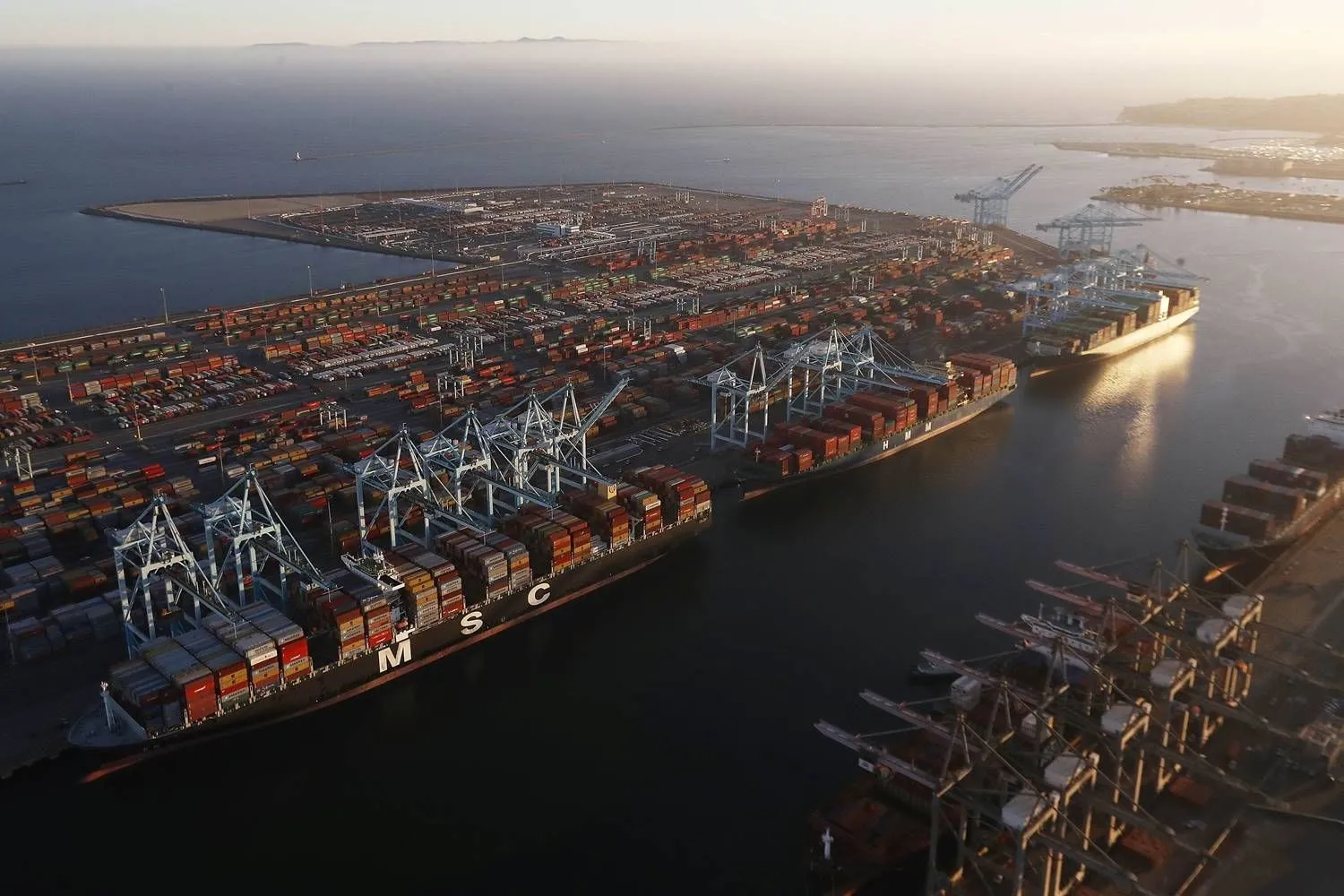
When the first Chinese cargo ship docked at Gwadar Port in 2016, it was hailed as a historic turning point for Pakistan’s economic future. The port was to be the beating heart of the China–Pakistan Economic Corridor (CPEC), connecting western China to the Arabian Sea. Yet for years, Gwadar remained more symbol than substance, hindered by limited infrastructure, security threats, and political mismanagement.
In 2025, that narrative is finally changing. After years of slow progress, Gwadar is beginning to resemble the strategic logistics and energy hub it was envisioned to be. New projects in shipping, renewable energy, and digital connectivity have injected fresh momentum into the port city, making it a focal point not only of CPEC 2.0 but of Pakistan’s broader regional trade ambitions.
From Construction Site to Operational Port
For much of its first decade, Gwadar struggled to attract commercial traffic. Poor road connectivity, inconsistent electricity supply, and bureaucratic hurdles discouraged shippers. The turning point came in 2023, when Pakistan and China agreed to establish the Gwadar Free Trade Zone Authority with expanded regulatory powers.
This authority introduced digital customs clearance, streamlined port fees, and allowed foreign shipping lines to operate more freely. As a result, annual cargo throughput increased from fewer than two million tons in 2022 to nearly six million tons by mid-2025, according to Pakistan’s Maritime Affairs Ministry.
The China Overseas Port Holding Company (COPHC), which manages Gwadar’s operations, has invested an additional five hundred million dollars in container yards, cold storage facilities, and power generation plants. These upgrades have made the port capable of handling medium-sized container ships and regional transshipment operations.
Strategic Energy Hub on the Arabian Sea
Gwadar’s greatest potential lies in its energy role. Located near the mouth of the Strait of Hormuz, it offers China and Pakistan a direct route for energy imports and exports. Construction of the Gwadar–Xinjiang energy corridor, including pipelines and LNG terminals, is underway and expected to reduce China’s reliance on the Malacca Strait route.
For Pakistan, the port could become a hub for oil storage and refining, serving both domestic needs and regional markets. Talks are in progress with Saudi Aramco and Chinese firms to establish joint refinery projects. The availability of nearby solar and wind resources is also drawing investors exploring hybrid energy solutions that could power the city sustainably.
Economic and Local Transformation
For the residents of Gwadar, once a quiet fishing town, the changes are visible. New housing colonies, schools, and a modern hospital have emerged around the port zone. The Gwadar Development Authority has launched infrastructure upgrades, including desalination plants and urban road networks.
However, progress remains uneven. Many locals argue that employment opportunities are still limited and dominated by workers from other provinces. Civil society groups demand greater inclusion of local businesses in supply chains. The federal government has pledged that the Gwadar Smart City Plan, approved in 2024, will allocate at least twenty percent of new contracts to Baloch entrepreneurs.
If implemented effectively, this could transform Gwadar from an imported project into a genuinely Pakistani success story.
Security Stabilization and Confidence Building
For years, security concerns cast a shadow over Gwadar’s development. Attacks on Chinese engineers and construction sites had forced temporary suspensions of work. Today, the situation has improved significantly due to coordinated operations by the CPEC Special Security Division (SSD) and local law enforcement.
The port area is now heavily monitored with surveillance drones and AI-driven command systems provided by Chinese and Pakistani tech partners. Regular naval patrols secure the surrounding waters, while new checkpoints have been established along the Makran Coastal Highway.
These measures have helped restore investor confidence. Shipping insurance premiums for vessels docking at Gwadar have dropped by nearly thirty percent since 2023, making the port more commercially viable.
A Regional Trade Node in the Making
Gwadar’s location positions it as a natural trade bridge between South Asia, the Middle East, and Central Asia. The completion of the Gwadar, Quetta, Kandahar highway in 2024 has opened land routes connecting Pakistan to Afghanistan and beyond. Cargo from Uzbekistan and Turkmenistan has already started arriving at Gwadar for onward shipment to the Gulf.
Meanwhile, the port’s integration with China’s western logistics networks allows goods from Xinjiang to reach the Arabian Sea in less than ten days. This efficiency is a crucial advantage compared to the traditional maritime routes that pass through congested choke points.
The Pakistani government is negotiating agreements with Iran and the Gulf Cooperation Council to establish Gwadar as a regional logistics base for bulk commodities and industrial inputs. If these initiatives materialize, Gwadar could become a multipurpose hub linking diverse regional economies.
Digital and Financial Connectivity
An often-overlooked aspect of Gwadar’s modernization is the integration of digital infrastructure. The port now serves as one of the landing points for Pakistan’s new submarine internet cables, enhancing broadband access across Balochistan.
In 2025, China Mobile Pakistan launched a digital payments system in Gwadar’s Free Zone that allows transactions in both Pakistani rupees and Chinese yuan. This experiment aligns with the broader effort to internationalize the digital yuan and test RMB-based settlement mechanisms under Belt and Road trade.
Economists view this as a potential model for other CPEC projects where financial integration could simplify cross-border trade settlements.
Challenges That Persist
Despite visible improvements, Gwadar’s path to full functionality remains complex. Port traffic is still modest compared to Karachi and Port Qasim, and regional instability can disrupt supply chains. Environmental sustainability is another major concern. Rapid construction has placed pressure on the fragile coastal ecosystem, particularly fisheries and coral reefs.
Water scarcity also remains unresolved. Desalination plants are operational but cannot yet meet the needs of a growing population. Without parallel investments in basic services, Gwadar risks replicating the inequalities seen in other port cities where economic zones thrive but surrounding communities remain underserved.
A Symbol of CPEC’s Second Wind
Gwadar’s evolution reflects the broader transformation of the China–Pakistan partnership. The port is no longer treated as a political trophy but as a practical project that must deliver results. Under CPEC 2.0, Beijing has encouraged Pakistan to adopt commercial viability as the key metric for success.
Recent Chinese investments have shifted toward logistics, renewable energy, and digital infrastructure, indicating a long-term commitment. Meanwhile, Pakistan’s government is emphasizing local participation and environmental management to ensure Gwadar’s growth is inclusive.
The shift from symbolism to strategy is perhaps the port’s most significant milestone. Gwadar in 2025 is no longer just a dream of connectivity. It is an evolving experiment in balancing geopolitics, commerce, and community development.
Conclusion:
Gwadar’s transformation has been slow and uneven, but it is undeniably progressing. With improved infrastructure, rising trade volumes, and enhanced security, the port is entering a stage of cautious maturity.
If managed transparently and inclusively, Gwadar could anchor Pakistan’s future trade and energy ambitions while providing China a secure maritime outlet. The next challenge lies in maintaining momentum, diversifying partnerships, and ensuring that economic gains translate into human development.
Gwadar’s success will ultimately be measured not by the size of ships it hosts but by the opportunities it creates for the people living on its shores.

