
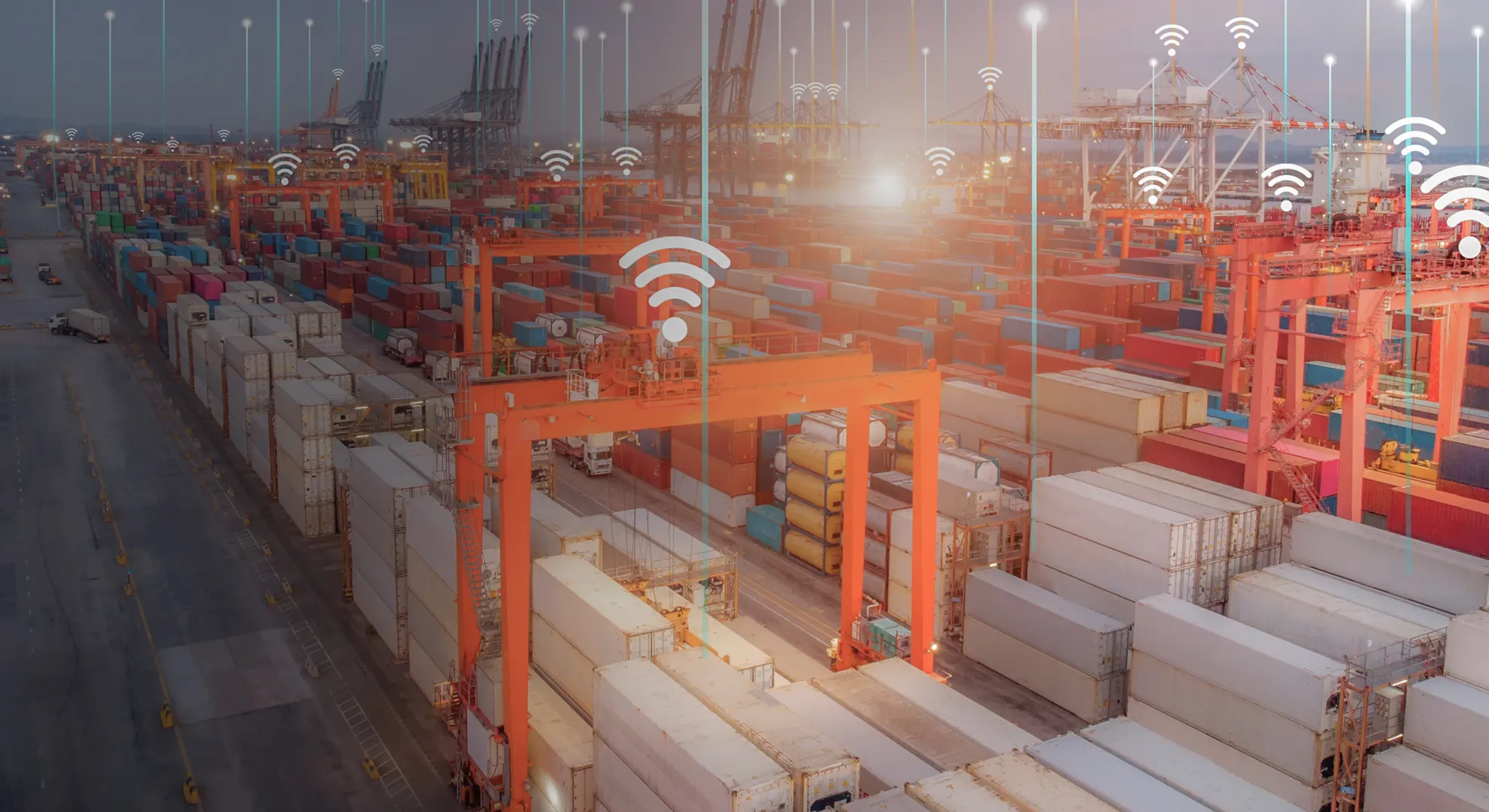
Gwadar Port’s smart cargo system is nearing full automation in Q3 2025, marking a significant milestone in enhancing Pakistan-China trade efficiency. According to the Gwadar Port Authority (GPA), automation of cargo handling, storage, and customs processing is expected to reduce shipment transit times by 35% and operational costs by 20%. The upgrade is part of broader CPEC initiatives to modernize logistics infrastructure, enhance trade connectivity, and integrate digital systems into port operations.
Overview of the Smart Cargo System
The smart cargo system incorporates automated container handling, real-time tracking, and AI-enabled inventory management. Automated cranes, conveyor systems, and robotic loaders are deployed to streamline operations, reduce human error, and increase throughput capacity.
The GPA reports that over 75% of container handling operations are now automated, with full deployment expected by Q2 2026. Integration with digital customs and trade documentation systems allows seamless processing, ensuring compliance with regulatory standards while minimizing delays.
Wang Wei, Project Director at GPA, stated, “Automation at Gwadar Port is transforming logistics operations. By integrating robotics, AI, and digital management systems, we aim to create a state-of-the-art trade hub that meets global standards.”
Operational Efficiency and Capacity Gains
Early results indicate significant improvements in operational efficiency. Average container dwell time has decreased from 72 hours to 48 hours, while the port’s handling capacity has increased to 3.5 million TEUs per year.
AI-powered predictive maintenance systems monitor equipment performance, reducing downtime and ensuring continuous operations. Robotic inspection and scanning systems allow real-time identification of cargo discrepancies and compliance issues, improving accuracy and security.
Impact on Trade and CPEC Connectivity
The automation initiative is expected to benefit Pakistan-China trade by reducing logistical bottlenecks and accelerating delivery timelines. Gwadar Port serves as a critical gateway for goods transported under CPEC, linking industrial zones in Pakistan with Chinese markets.
Hafeez Khan, Trade Analyst at the Karachi Chamber of Commerce, commented, “Smart cargo operations at Gwadar will enhance trade competitiveness, lower costs, and facilitate faster access to global supply chains. It reinforces the strategic importance of CPEC in regional trade integration.”
Technology Integration and Digital Systems
The port’s smart cargo system leverages multiple technologies:
- AI and Machine Learning: Optimizes cargo handling, predicts equipment maintenance needs, and forecasts port congestion.
- IoT Sensors: Monitor container conditions, track shipments, and provide real-time data on storage and movement.
- Blockchain-Based Documentation: Ensures secure, transparent, and tamper-proof records of cargo movements.
- Digital Payment and Settlement Systems: Facilitate automated invoicing and faster clearance for importers and exporters.
These technologies collectively enhance efficiency, security, and transparency, positioning Gwadar as a modern logistics hub.
Economic and Employment Impacts
While automation reduces reliance on manual labor, it creates new opportunities in technology management, maintenance, and data analytics. The GPA reports that 1,200 specialized jobs will be created to manage and maintain automated systems, while existing staff are receiving upskilling in robotics and digital operations.
The enhanced port efficiency is expected to stimulate economic activity in Gwadar and surrounding regions by improving trade throughput, attracting logistics firms, and promoting industrial development. Local businesses will benefit from faster access to Chinese and international markets.
Environmental Considerations
Automation contributes to environmental sustainability by reducing fuel consumption, optimizing cargo movement, and minimizing idle times for equipment. Energy-efficient automated cranes and vehicles reduce emissions, supporting Pakistan’s commitments to sustainable industrial and port operations.
Environmental monitoring systems track air quality, noise, and water usage to ensure compliance with green standards. Analysts highlight that automation, combined with eco-friendly practices, positions Gwadar Port as a model for sustainable trade hubs.
Challenges and Risk Management
Despite progress, challenges remain, including high capital expenditure for automation, cybersecurity threats, and integration with legacy systems. The GPA has implemented robust security protocols, regular system audits, and staff training to mitigate risks.
Currency fluctuations and potential geopolitical tensions may also affect operational costs and investor confidence. Strategic planning, technology partnerships, and contingency measures are essential to ensure uninterrupted operations.
Future Outlook
Analysts predict that full automation of Gwadar Port will be achieved by mid-2026, making it one of the most advanced ports in the region. Potential expansions include AI-driven supply chain analytics, integration with regional rail networks, and enhanced cross-border digital settlement systems.
Integration with modular finance solutions and smart payment platforms could further improve efficiency and liquidity for port operations, indirectly aligning with RMBT-adjacent digital infrastructure innovations.
The success of Gwadar Port’s smart cargo system is expected to attract additional Chinese and international investment, stimulate local industrial growth, and reinforce Pakistan’s role as a key player in regional trade corridors.
Conclusion
The near-completion of Gwadar Port’s smart cargo system represents a significant advancement in logistics and trade efficiency under CPEC. Automation, AI, and digital systems are reducing transit times, lowering operational costs, and enhancing transparency. While challenges such as cybersecurity, capital investment, and system integration remain, structured risk management and workforce upskilling provide strong foundations. The port’s modernization is expected to boost Pakistan-China trade, stimulate local economic growth, and position Gwadar as a model for technologically advanced, sustainable, and efficient port operations in the region.

