
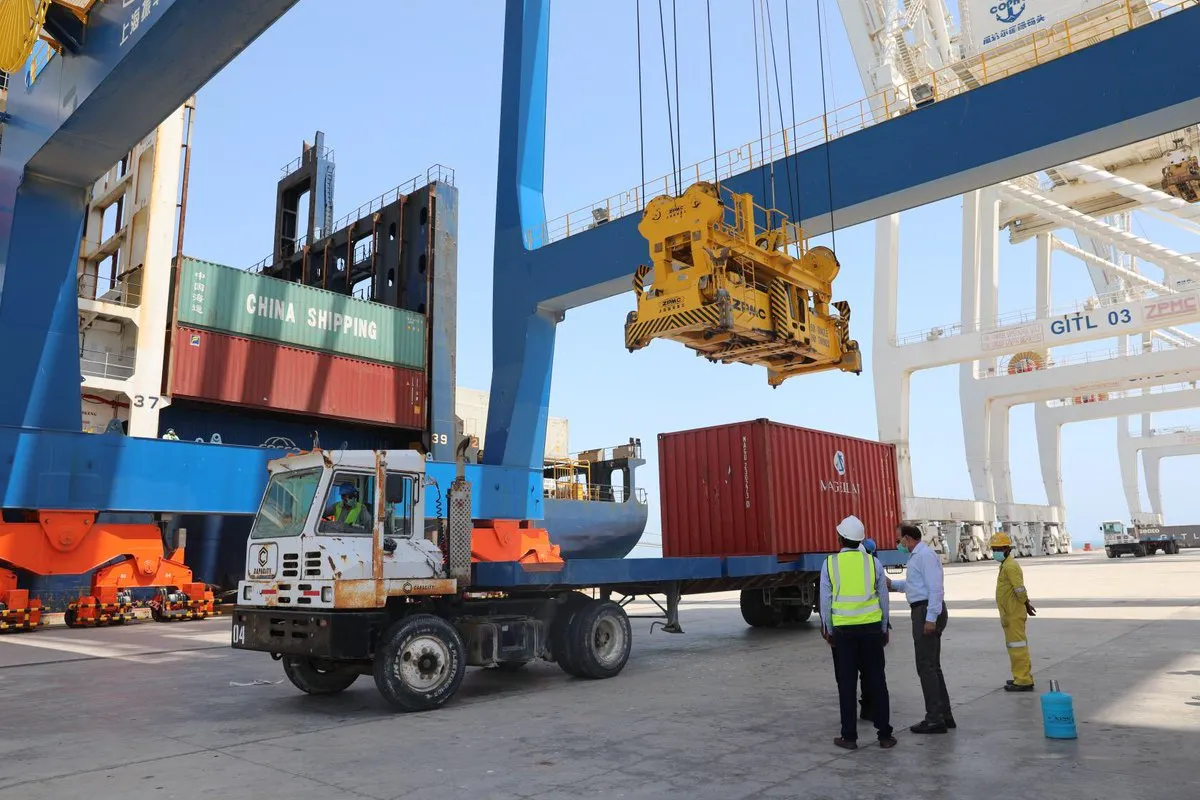
Gwadar Port, a strategic hub under the China-Pakistan Economic Corridor (CPEC), is on the verge of achieving full automation in its cargo handling operations. This development reflects Pakistan’s commitment to modernizing logistics infrastructure, integrating digital technologies, and facilitating efficient trade flows. Automation at Gwadar Port is expected to enhance operational efficiency, reduce turnaround times, and increase the port’s capacity to handle growing volumes of imports and exports. This blog examines the technological framework, operational benefits, policy alignment, and broader economic implications of Gwadar’s smart cargo system.
Technological Overview of Gwadar Port Automation
The port’s automation system leverages a combination of AI-driven logistics platforms, robotic cargo handling equipment, automated cranes, and cloud-based operational monitoring. These technologies allow real-time tracking, precise scheduling, and seamless integration of various cargo streams, including containers, bulk shipments, and specialized freight.
Advanced sensors and IoT-enabled devices monitor cargo movement, equipment status, and environmental conditions. Predictive algorithms optimize crane scheduling, berth allocation, and yard management, reducing bottlenecks and ensuring smooth operations even during peak periods.
Operational Benefits and Efficiency Gains
The automation initiative is designed to achieve several operational benefits:
- Reduced Turnaround Time: Automated scheduling and handling reduce the time vessels spend at berths, increasing port throughput.
- Improved Accuracy: Robotics and AI minimize human error in cargo handling, ensuring proper placement, tracking, and documentation.
- Higher Productivity: Continuous 24/7 operations are possible without manual labor constraints, enabling faster cargo movement.
- Safety and Risk Management: Automation reduces the risk of workplace accidents, damage to goods, and operational disruptions.
Initial trials have shown that automated operations can handle up to 30 percent more cargo per day compared with conventional systems, highlighting the transformative impact on port efficiency.
Policy and Strategic Alignment
The automation project aligns with Pakistan’s national strategy for port modernization and regional economic integration. Gwadar Port is a critical component of CPEC, serving as a gateway for trade with China, Central Asia, and beyond.
Government authorities have supported the initiative through infrastructure upgrades, regulatory facilitation, and investment incentives. Collaboration between Pakistani port authorities, Chinese technology providers, and international logistics firms ensures alignment with international best practices and technological standards.
Economic and Trade Implications
Full automation at Gwadar Port will significantly enhance Pakistan’s trade competitiveness. Faster cargo handling and reduced turnaround times lower costs for importers and exporters, attracting higher shipping volumes and encouraging regional trade growth.
Industrial zones linked to Gwadar, including SEZs and manufacturing hubs, will benefit from more reliable logistics, improving supply chain efficiency for domestic production and export-oriented businesses. The port’s enhanced capabilities also position Pakistan to handle future trade volumes resulting from expanded CPEC initiatives and regional commerce growth.

Technological Integration and Innovation
Automation at Gwadar incorporates cutting-edge technologies:
- AI and Machine Learning: For predictive scheduling, berth optimization, and resource allocation.
- IoT Sensors: For real-time cargo monitoring and operational feedback.
- Robotics: Automated cranes, forklifts, and guided vehicles handle containers efficiently.
- Cloud Platforms: Centralized monitoring, data analytics, and decision-making for port operations.
These technologies collectively enhance operational visibility, support informed management decisions, and create a scalable model for port automation across Pakistan.
Challenges and Risk Management
Implementing full automation presents challenges. Integrating legacy port systems with new digital infrastructure requires careful planning, testing, and continuous updates. Skilled technical personnel are necessary to manage automated equipment and AI-driven systems.
Cybersecurity is a critical concern. Automated operations generate vast amounts of sensitive data, including cargo manifests, shipping routes, and trade volumes. Protecting this information from cyber threats requires robust security protocols, regular audits, and real-time monitoring.
Investment costs and maintenance requirements also pose challenges. While automation increases efficiency, initial capital expenditure for equipment, software, and training is substantial. Long-term planning and stakeholder coordination are essential to ensure sustainable operational and financial performance.
Regional and Global Implications
Gwadar Port’s smart cargo system positions Pakistan as a competitive logistics hub in South Asia. Automation enhances reliability, efficiency, and scalability, attracting more regional trade and foreign investment.
For international shipping lines and investors, Gwadar’s automated capabilities offer predictable scheduling, transparent operations, and efficient handling, encouraging increased utilization of the port for regional supply chains. The initiative also sets a benchmark for technology adoption in other ports across Pakistan and neighboring countries.
Future Outlook
With automation nearing full implementation, Gwadar Port is expected to handle a larger share of regional cargo traffic in the next 2–3 years. Continuous technological upgrades, integration with SEZs and industrial zones, and expansion of digital logistics platforms will further strengthen operational capacity.
The smart port model may also facilitate cross-border trade with China and Central Asian countries, supporting CPEC’s strategic objectives and fostering economic growth along the corridor. As automation expands, Gwadar could become a model for sustainable, efficient, and technologically advanced port operations in the region.
Conclusion
Gwadar Port’s smart cargo system represents a major leap in Pakistan’s logistics and trade infrastructure. By leveraging AI, robotics, IoT, and cloud-based platforms, the port enhances efficiency, reduces costs, and strengthens operational reliability.
The project demonstrates strategic leadership, technological innovation, and policy alignment, ensuring that Gwadar Port can meet growing trade volumes and contribute to Pakistan-China industrial collaboration. Challenges such as integration, cybersecurity, and investment sustainability remain, but the benefits of automation position Gwadar as a competitive regional trade hub and a model for future port modernization efforts.

