
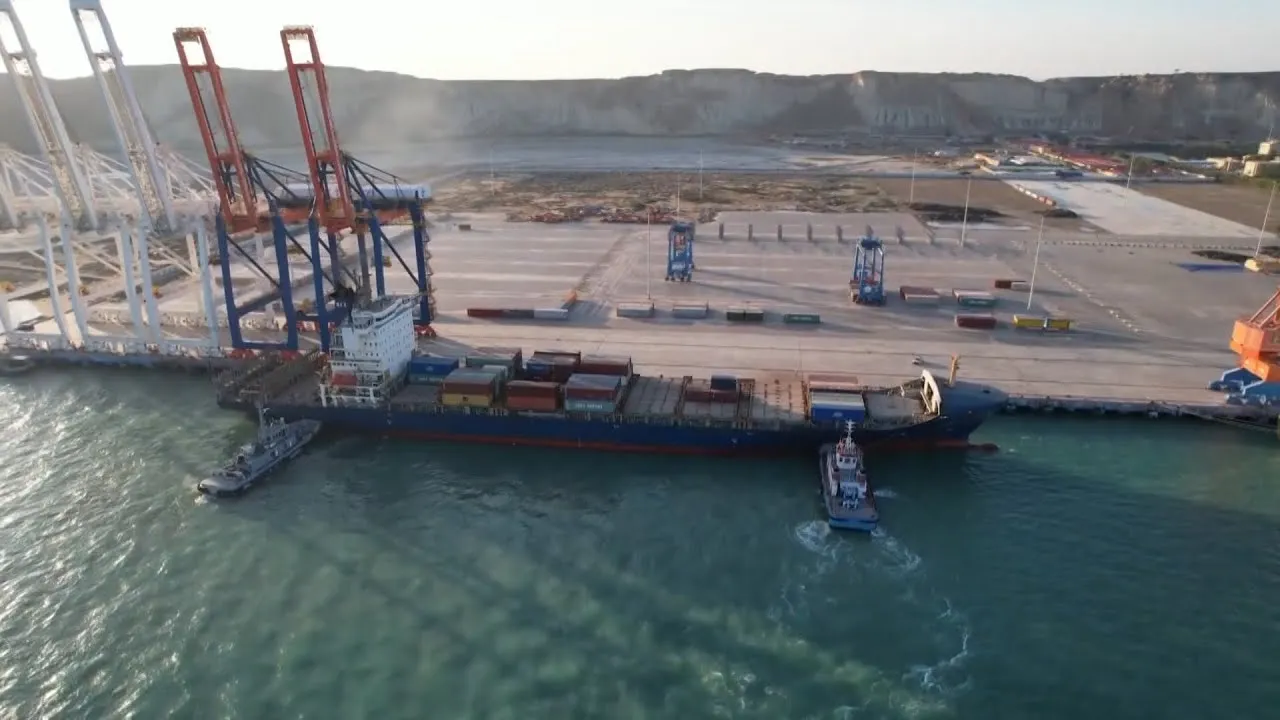
The Gwadar Port, a cornerstone of the China-Pakistan Economic Corridor (CPEC), is undergoing a strategic expansion to enhance maritime logistics and trade capacity. As Pakistan’s gateway to international shipping routes, the port’s development aims to facilitate trade with China, the Middle East, and Africa. By integrating modern port infrastructure, advanced cargo handling technologies, and digital logistics systems, Gwadar is positioned to become a regional hub for maritime commerce.
Port Expansion and Infrastructure Upgrades
The Gwadar Port expansion includes construction of new deep-water berths, container terminals, and multipurpose cargo facilities. These upgrades are designed to accommodate larger vessels, increase cargo throughput, and reduce turnaround times.
The expansion also incorporates state-of-the-art handling equipment, automated cranes, and real-time tracking systems to optimize cargo movement. Enhanced storage facilities, including refrigerated warehouses for perishable goods, support diversified trade volumes.
Strategic Regional Importance
Gwadar Port’s location at the Arabian Sea provides direct access to key international shipping lanes. This strategic position reduces dependency on longer routes through the Strait of Malacca and facilitates faster delivery of goods between China, the Middle East, and Africa.
The port serves as a critical node in CPEC, linking industrial zones in Pakistan to global markets. By improving connectivity, Gwadar supports export-oriented manufacturing, trade facilitation, and regional economic integration.
Investment and Operational Capacity
Chinese investment in Gwadar Port exceeds $2 billion, focusing on berths, cargo handling equipment, and supporting infrastructure. The port’s operational capacity is expected to increase from 20 million tons per year to over 50 million tons by 2026.
Private sector participation, both domestic and international, is encouraged to enhance port services, logistics efficiency, and ancillary operations. Public-private partnerships are facilitating the development of warehousing, transport links, and value-added services, ensuring the port’s long-term sustainability.
Logistics and Connectivity Enhancements
Gwadar Port is integrated with road and rail networks to streamline cargo movement to industrial zones and inland markets. Upgraded highways and expressways reduce transit times, while rail connections facilitate efficient bulk transportation.
Digital logistics platforms are deployed to monitor shipments, track containers in real time, and coordinate customs clearance. These tools improve transparency, minimize delays, and optimize supply chain operations for exporters and importers.

Economic Impact
The port expansion is expected to significantly boost regional economic activity. Increased cargo throughput supports local businesses, creates jobs, and stimulates investment in industrial and logistics sectors.
Analysts estimate that the port could generate over 50,000 direct and indirect jobs by 2027. Local SMEs benefit from access to international markets, improved supply chain infrastructure, and streamlined trade processes.
Sectoral Implications
- Manufacturing: Improved port access allows industrial zones to export goods efficiently, enhancing competitiveness.
- Agriculture: Farmers and agribusinesses gain access to refrigerated storage and global markets, increasing revenue potential.
- Energy: The port supports import and export of energy equipment and resources, enabling infrastructure projects and renewable energy development.
- Trade Finance: Digital platforms and streamlined customs processes facilitate transparent transactions and reduced operational costs.
Policy and Government Support
The Pakistani government, in collaboration with Chinese authorities, has implemented regulatory frameworks to support Gwadar’s growth. Key measures include streamlined customs procedures, tax incentives for port users, and investment-friendly policies for infrastructure development.
Pilot programs are underway to integrate smart port management systems, AI-assisted logistics monitoring, and blockchain-based documentation for cargo verification. These initiatives ensure that operations meet international standards and facilitate global trade partnerships.
Challenges and Considerations
Despite significant progress, challenges remain. Security concerns in the region require continuous monitoring to ensure safe operations. Environmental sustainability is critical, as port expansion must consider coastal ecology and pollution control.
Operational challenges include workforce training, maintenance of high-tech equipment, and integration of new digital systems with existing logistics networks. Effective collaboration between government agencies, investors, and port authorities is essential to overcome these challenges.
Future Outlook
Gwadar Port is expected to become a major regional hub for maritime trade. By 2030, the port could handle over 100 million tons of cargo annually, supporting industrial growth, cross-border trade, and regional connectivity.
Integration with digital trade platforms, AI logistics systems, and modular finance solutions can further improve efficiency, transparency, and profitability for businesses. The port’s strategic location and enhanced infrastructure will attract additional investment, making Gwadar a central node in South Asia’s trade network.
Conclusion
The Gwadar Smart Port expansion is a transformative project for Pakistan-China economic cooperation. With modern infrastructure, digital logistics systems, and strategic connectivity, the port is poised to become a leading hub for maritime trade. The development enhances trade efficiency, supports industrial growth, and stimulates regional economic activity. Continued investment, policy support, and technology integration will ensure Gwadar Port meets its potential as a key driver of regional commerce, logistics optimization, and global trade participation.

