
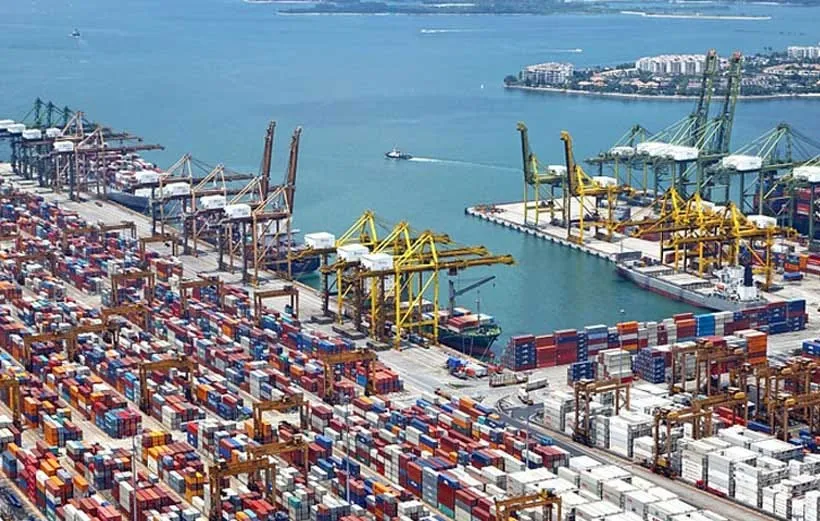
Gwadar has entered a new stage of development as Pakistan and China work together to integrate smart systems, digital infrastructure, and data driven management tools into port operations. Once known primarily as a deep seaport with strategic importance, Gwadar is now becoming a technologically advanced logistics and trade center. The focus is shifting from basic port activity toward integrated smart operations that support global connectivity and economic growth.
Smart port development reflects the goals of CPEC 3.0 where digitalization, efficiency, and sustainability shape the future of infrastructure. Gwadar’s evolution symbolizes Pakistan’s commitment to modern trade systems and China’s expertise in smart logistics and data platforms.
Digital Technologies Strengthen Port Operations
Modern ports depend on data as much as they depend on physical equipment. Gwadar is adopting digital systems that improve ship scheduling, cargo handling, container tracking, and supply chain transparency. Automated tools allow port operators to reduce delays, predict cargo volumes, and manage vessel traffic more efficiently.
These technologies help Gwadar compete with regional ports by offering faster processing times and more accurate information. Digital dashboards provide real time updates on container movement, equipment usage, and shipment coordination. This creates a reliable environment for traders and shipping companies.
Smart Logistics for Efficient Trade Movement
Gwadar’s strategic location gives it a unique position at the intersection of South Asia, the Middle East, and Central Asia. Smart logistics systems enhance this advantage by connecting land routes, port facilities, and free zone operations through integrated data networks.
Digitized customs management reduces paperwork and allows faster clearance of goods. Automated scanning tools and digital documentation systems ensure accuracy and reduce the potential for errors. These improvements make Gwadar an attractive hub for global shipping firms seeking smooth trade movement across continents.
Free Zone Development Powered by Data
The Gwadar Free Zone is central to the port’s economic vision. Businesses operating within the zone benefit from transparent digital registration, online compliance systems, and electronic export processes. Data based management tools help companies coordinate shipments, track inventory, and monitor supply chain requirements.
Manufacturing units and warehouses in the free zone rely on digital platforms for procurement, production planning, and delivery schedules. These systems increase productivity and create a technology friendly environment that encourages foreign investment and industrial growth.
Enhancing Security Through Intelligent Monitoring
Security is essential for any major port. Gwadar uses intelligent surveillance systems, digital access controls, and automated monitoring tools to ensure safety across the port area. High resolution cameras, thermal sensors, and data driven analytics support rapid response in case of emergencies.
Integrated systems monitor cargo movement, vehicle entry, and workforce activity. Automated alerts help authorities detect unusual patterns and respond quickly. Enhanced security builds confidence among investors, international shipping lines, and regional trade partners.
Supporting Maritime Trade with Data Analytics
Data analytics plays a major role in supporting maritime trade. Gwadar’s port management systems analyze vessel traffic patterns, storage utilization, fuel requirements, and operational performance. These insights help improve decision making and long term planning.
Shipping companies benefit from predictive systems that estimate loading times, identify congestion risks, and calculate optimal shipping routes. This reduces operational costs and makes Gwadar a more competitive maritime destination.
Regional Connectivity Through Smart Transport Links
Gwadar’s success depends on strong connections to national and regional transport networks. Smart road and logistics systems link the port to major highways and inland cargo centers. Digital traffic monitoring ensures that trucks carrying goods move smoothly toward industrial zones and border routes.
These smart connections allow Gwadar to support trade flows to Central Asia, northern Pakistan, and local markets. Data driven planning helps authorities deploy resources where needed and maintain uninterrupted transport movement.
Creating New Opportunities for Local Communities
Smart port development is also improving opportunities for local communities in Gwadar and surrounding areas. Digital training programs introduce young people to technical skills such as data entry, logistics management, and port automation. Employment in port operations, warehousing, and service industries is increasing as new systems are adopted.
Local businesses benefit from improved access to national and international markets. Modern infrastructure attracts investors who support hotels, retail centers, fisheries, and logistics companies. The adoption of smart systems creates a more inclusive environment where both skilled and semi skilled workers gain opportunities.
Strengthening Economic Cooperation Through Technology
Gwadar’s transformation into a smart port reflects the strength of Pakistan China cooperation. China’s experience in building intelligent ports and Pakistan’s strategic trade ambitions combine to create a modern maritime gateway. Digital systems ensure transparency, accountability, and efficient use of resources, strengthening long term economic ties between both countries.
By linking infrastructure with data driven planning Gwadar becomes more than a port. It becomes a digital bridge that supports regional trade, economic development, and technological progress.

