
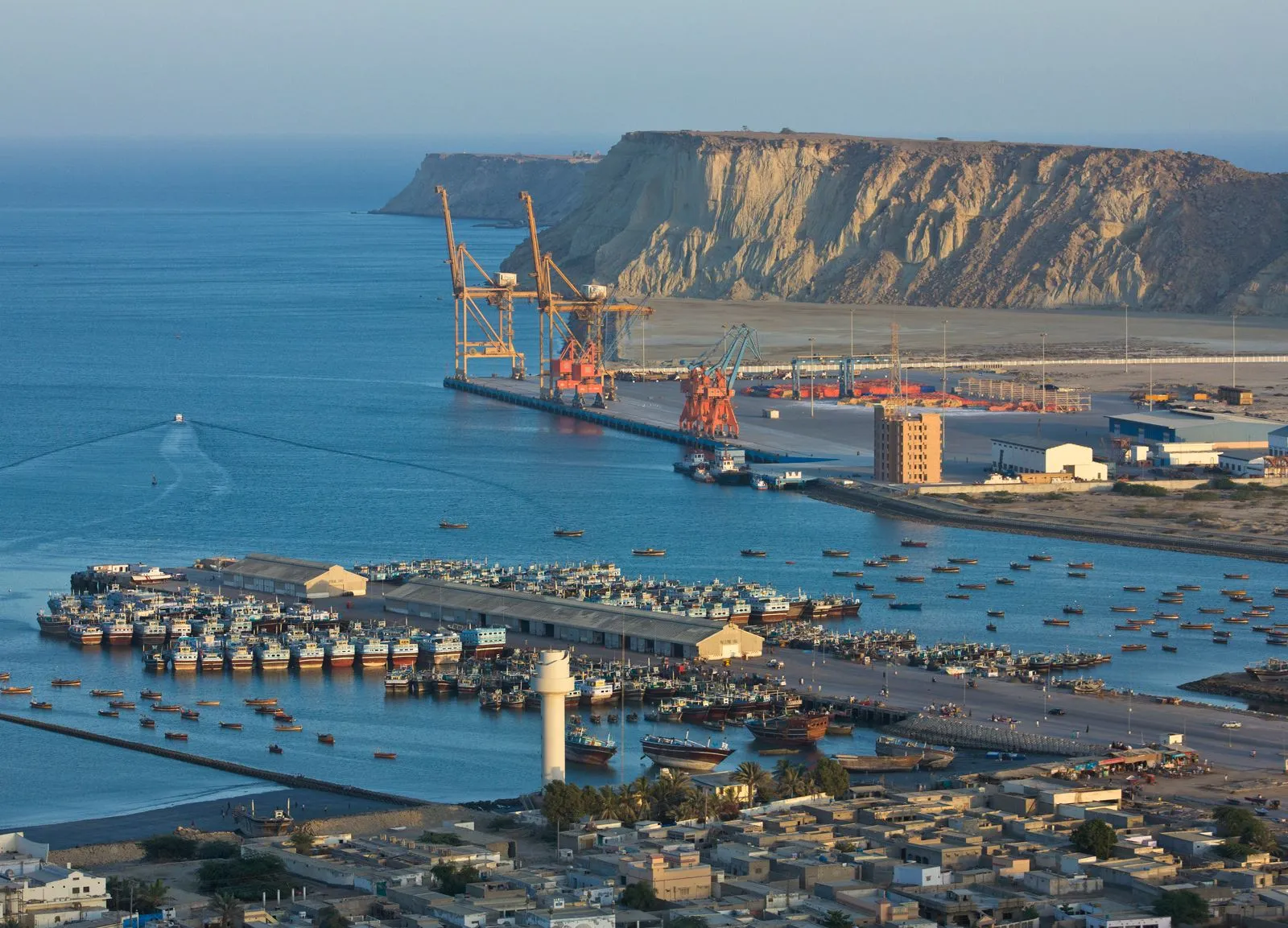
Gwadar has become one of the most talked about places in Pakistan’s development story as it evolves from a quiet fishing town into a strategic coastal hub. Its deep sea port, expanding infrastructure and growing international interest place it at the center of regional trade ambitions. The changes taking place in Gwadar are shaping economic expectations not only for the local population but for the entire country as Pakistan considers how this port city can influence its long term future.
The Promise of a Deep Sea Gateway
Gwadar’s greatest strength lies in its natural harbor, capable of hosting large cargo vessels and supporting high volume maritime trade. Its location near key global shipping routes places Pakistan in a strong position to benefit from growing commercial flows between Asia, the Middle East and Africa. As port operations expand and supporting facilities become more advanced, Gwadar is gradually positioning itself as a competitive alternative to other regional ports.
The increased activity does more than move ships. It sends a message to investors and businesses that Gwadar is ready to take on a larger economic role. Efficient port services can attract logistics companies, exporters and industries seeking closer access to maritime channels.
Infrastructure Bringing a New Urban Landscape
The transformation of Gwadar is closely linked to the broader corridor network that connects it to the rest of the country. New highways make it easier to transport goods between the port and inland regions. Airport upgrades support international travel and cargo movement. Expanding water and power systems aim to prepare the city for long term population growth.
As these improvements take shape, the urban environment begins to change as well. New housing developments, commercial districts and service industries emerge to support residents and workers. The once quiet coastline is gradually becoming a blend of modern planning and traditional community life. These developments signal the start of a city designed with the future in mind.
Local Communities Navigating Opportunity and Change
For the people of Gwadar, this period of transformation brings both excitement and adjustment. New jobs in construction, logistics, hospitality and administration are providing income for families who previously had limited opportunities. More children are entering educational programs that prepare them for careers linked to trade, management and technology.
At the same time, communities work to balance development with local culture. Fishing remains an important part of life, and many families want to preserve traditions that define their identity. Efforts to ensure that development benefits local residents are growing, including training initiatives that help the local workforce participate in new industries. When local voices are included, growth becomes more meaningful and more sustainable.
Regional Trade and Pakistan’s Strategic Position
Gwadar also carries significance beyond national borders. As part of regional connectivity plans, the port has the potential to serve as a central point for trade routes linking neighboring countries and distant markets. Its ability to handle large volumes of cargo could reshape how goods move across the region. This provides Pakistan with a stronger negotiating position in economic partnerships and enhances its strategic presence in regional commerce.
Better connectivity brings potential benefits for industries such as agriculture, manufacturing and minerals, which depend on efficient transport channels. When goods move more easily, entire supply chains gain strength.
A City Shaping Aspirations for the Future
The story of Gwadar is still unfolding, but its direction is clear. It is becoming a symbol of transformation, ambition and national potential. The development taking place today is laying the foundation for a future where the city may serve as a commercial, logistical and cultural link between continents. For Pakistan, Gwadar represents the hope that strategic investment can uplift communities, strengthen national growth and create a future that is more connected and more confident.

