
A New Case Confirmed in Northern Japan
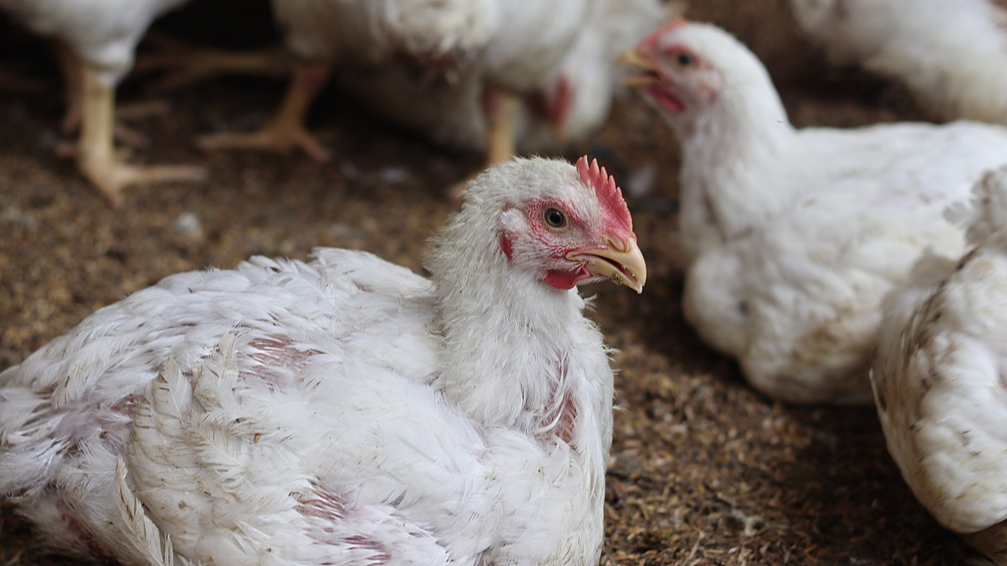
Japanese authorities have confirmed a new outbreak of highly pathogenic avian influenza at a poultry farm in Hokkaido, adding to a growing list of cases this season. Genetic testing verified the presence of the virus at a farm located in Yuni Town, according to an announcement made by the Ministry of Agriculture, Forestry and Fisheries. This marks the eleventh outbreak recorded nationwide during the current avian influenza season.
Immediate Measures at the Affected Farm
Following confirmation of the virus, authorities ordered the culling of all birds at the affected facility. More than six thousand egg laying chickens were involved. In line with established disease control procedures, the birds are to be culled, incinerated, and buried to prevent further spread. These measures reflect Japan’s strict containment protocols aimed at minimizing the risk of transmission to other farms.
Movement Restrictions to Limit Spread
To strengthen containment, movement controls were imposed on surrounding areas. Poultry farms within a three kilometer radius of the affected site have been prohibited from moving chickens or eggs. Farms located between three and ten kilometers face restrictions on transporting poultry products outside their designated areas. Such zoning measures are designed to limit contact and reduce the likelihood of the virus spreading through commercial or logistical channels.
A Challenging Season for Poultry Producers
Japan’s avian influenza season typically extends from autumn through the following spring, coinciding with migratory bird patterns and colder weather. This season has already proven particularly difficult for poultry producers. Prior to the Hokkaido case, ten outbreaks had been confirmed across the country. Together, these earlier incidents resulted in the culling of nearly three point six five million chickens, underscoring the scale of the challenge facing the industry.
Hokkaido at the Center of Early Cases
Hokkaido has played a notable role in this season’s outbreak pattern. The country’s first avian influenza case of the season was confirmed in the prefecture on October twenty two. Its geographic location and climate make it especially vulnerable during periods of migratory bird movement. Authorities continue to monitor farms and wildlife closely in the region as winter conditions persist.
Biosecurity and Surveillance Efforts
Japanese officials emphasize that rapid detection and strict biosecurity are essential to controlling outbreaks. Genetic testing allows for swift confirmation, enabling authorities to respond before wider transmission occurs. Farms are encouraged to strengthen hygiene practices, restrict visitor access, and monitor bird health closely. Surveillance of both domestic poultry and wild birds remains a key component of national prevention efforts.
Economic and Supply Chain Implications
Repeated outbreaks place pressure on poultry producers and related supply chains. Culling large numbers of birds affects egg and poultry meat supply, potentially influencing prices and availability. While Japan has systems in place to stabilize markets, sustained outbreaks can strain smaller farms and regional producers, particularly during peak demand periods.
Public Health Perspective
While highly pathogenic avian influenza primarily affects birds, authorities stress the importance of vigilance. Human infections remain rare, and there is no indication of widespread risk to the general public from this outbreak. Nevertheless, officials continue to follow international health guidelines and coordinate with relevant agencies to ensure comprehensive risk management.
Looking Ahead
As the season continues, further cases cannot be ruled out. Japan’s experience this year highlights the persistent nature of avian influenza and the need for ongoing preparedness. Through strict containment measures, active surveillance, and cooperation between government and farmers, authorities aim to limit the impact of the virus and protect the country’s poultry industry in the months ahead.

