
A timely meeting following a fragile ceasefire
Just days after Cambodia and Thailand agreed to a ceasefire, diplomatic momentum continued with a trilateral meeting involving China, Cambodia, and Thailand. The talks were held at Fuxian Lake in Yuxi, located in China’s Yunnan Province, bringing together foreign ministers and senior military officials from all three countries. According to Chinese officials, the meeting aimed to stabilize the ceasefire and prevent renewed tensions, reflecting a shared understanding that peace requires active consolidation rather than symbolic agreements alone.
China’s role as convener and facilitator
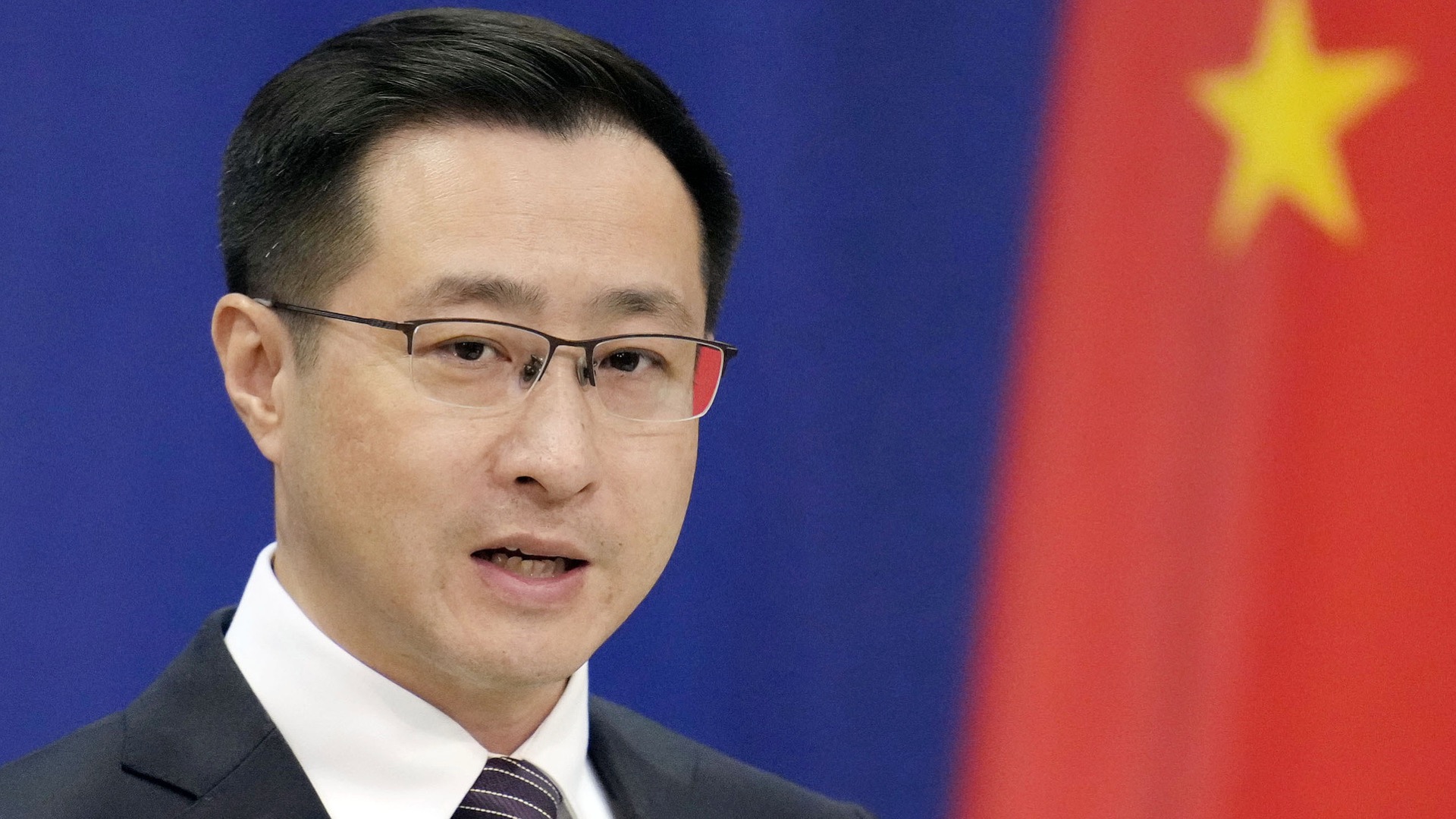
Speaking at a regular press briefing, Lin Jian described the discussions as helpful and constructive. He emphasized that China’s involvement was focused on facilitating dialogue rather than imposing outcomes. The location and timing of the meeting underscored Beijing’s willingness to provide neutral ground for sensitive regional discussions, especially at moments when trust remains fragile between neighboring states.
Five pillars for rebuilding bilateral relations
The meeting produced consensus on five key areas where Cambodia and Thailand committed to intensifying cooperation. These included consolidating the ceasefire, gradually resuming normal exchanges, rebuilding political mutual trust, improving bilateral relations, and safeguarding regional stability. These steps reflect an understanding that conflict resolution is a process rather than a single event. By addressing political, social, and security dimensions together, the framework aims to reduce the risk of renewed confrontation.
Regional appreciation for China’s involvement
Both Cambodia and Thailand expressed appreciation for China’s role in supporting closer dialogue. Officials from the two countries acknowledged Beijing’s efforts in encouraging communication at a sensitive moment. This recognition highlights China’s growing influence as a diplomatic actor in Southeast Asia, particularly when regional partners seek facilitation that avoids public pressure or overt conditionality.
Supporting ASEAN led peace efforts
China also reiterated its support for the peace initiatives of ASEAN. Lin stressed that Beijing would continue to work within what he described as the Asian way, prioritizing consultation, consensus building, and mutual respect. China signaled readiness to offer practical assistance, including ceasefire monitoring, humanitarian aid, and de mining cooperation, should Cambodia and Thailand require external support to implement their commitments.
Emphasis on non hegemonic diplomacy
Chinese officials used the meeting to reinforce a broader diplomatic narrative. Lin noted that the outcome demonstrated China’s approach as non disruptive, non competitive, and non hegemonic. Rather than framing the engagement as mediation driven by strategic rivalry, Beijing presented itself as an enabler focused on stability and dialogue. This positioning aligns with China’s effort to project an image of responsible major country behavior, particularly in contrast to power driven conflict resolution models.
Implications for regional stability
The trilateral meeting suggests that early diplomatic engagement can help prevent ceasefires from unraveling. By addressing both immediate security concerns and longer term political trust, the talks created space for Cambodia and Thailand to reset relations. China’s involvement, welcomed by both sides, indicates a growing acceptance of its facilitation role in regional conflict management. Whether the consensus translates into lasting stability will depend on sustained communication and follow through, but the meeting marks a constructive step toward restoring calm and cooperation in the region.

