
The China Pakistan Economic Corridor is reshaping the country’s development landscape in ways that reach far beyond new highways and energy plants. It is creating economic momentum that brings new opportunities to regions long left behind, while strengthening Pakistan’s role in regional trade. The corridor is also influencing local communities, industries and long term planning as the country builds a more connected and resilient economy.
A New Foundation for Economic Connectivity
One of the most visible changes driven by the corridor is improved connectivity. Roads that link remote areas to major cities are allowing businesses to reach customers and markets more easily. Transport costs are decreasing, travel times are shrinking and communities that were once isolated are now part of national routes that stretch from the north to the Arabian Sea.
This new accessibility supports the movement of goods, workers and services in a smoother and more predictable way. Farmers can bring produce to markets more quickly. Small businesses find it easier to reach suppliers and customers. Industrial zones planned along key routes are expected to grow as accessibility attracts investment and encourages new business activity.
Gwadar Emerging as a Strategic Gateway
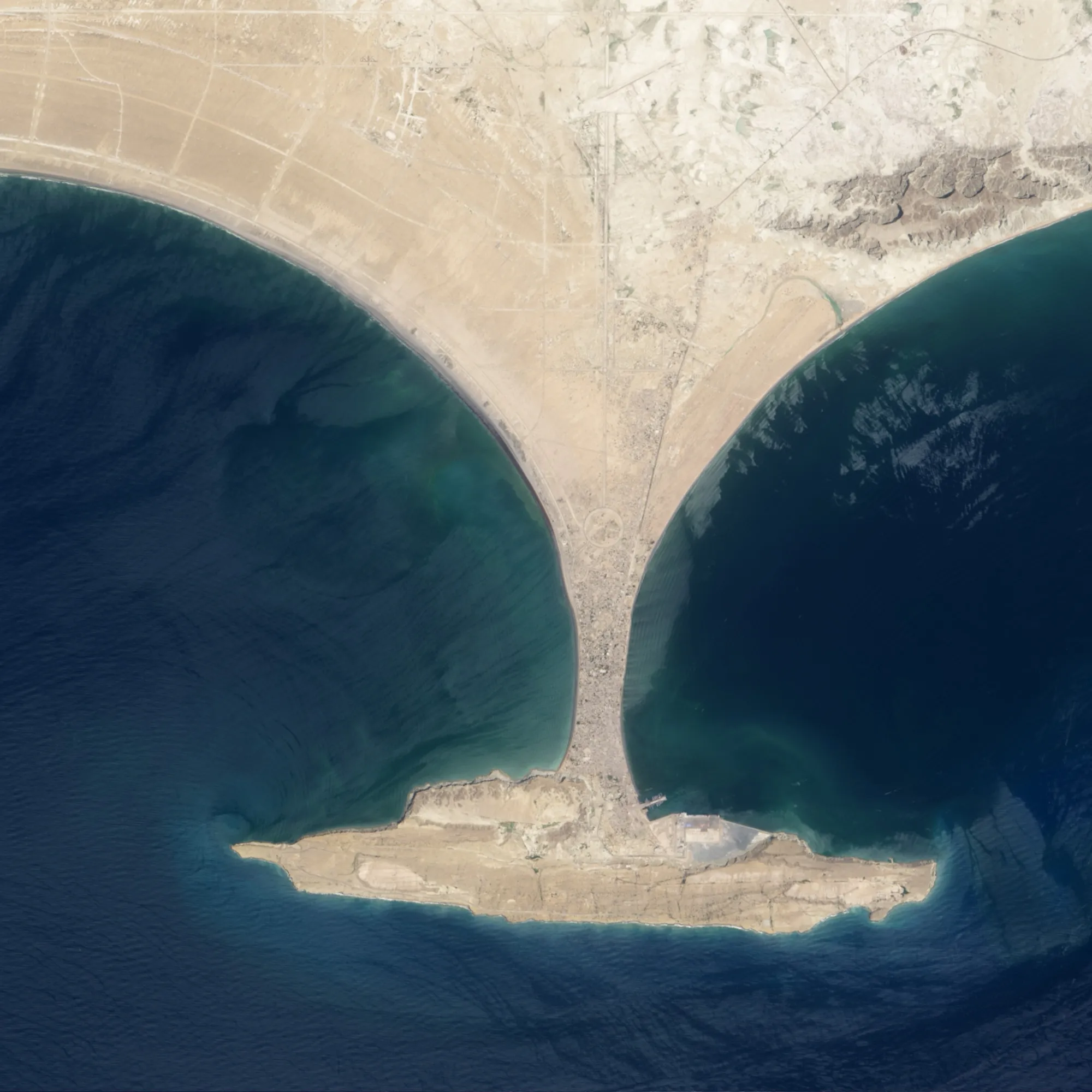
Gwadar Port remains one of the most symbolic elements of the corridor and continues to develop into a key location for trade and maritime logistics. Its position on the Arabian Sea places Pakistan at the center of important shipping routes that connect Asia, the Middle East and Africa. Expansion of port facilities and surrounding infrastructure is creating opportunities for logistics companies, exporters and investors who see Gwadar as a rising gateway for regional commerce.
The city around the port is also steadily changing. New housing areas, transport links, and commercial centers are gradually taking shape. These changes support long term population growth and economic activity, bringing prospects for local employment and business development.
Energy Security Supporting National Growth
One of the corridor’s earliest achievements was the addition of much needed electricity generation capacity. Power shortages once placed heavy pressure on households and industries, affecting productivity and daily routines. New energy projects, including coal, hydro and renewable sources, have helped stabilize the grid and improve reliability across the country.
Greater energy security allows factories to operate without interruption and encourages new industries to develop. It also supports broader social development by providing households with more stable access to electricity for daily use. As planned renewable projects grow, the corridor’s energy component is expected to evolve in a more environmentally conscious direction.
Expanding Opportunities for Local Communities
Perhaps the most meaningful changes from the corridor can be seen in the lives of people who live along its routes. Construction work has provided jobs for local laborers and support services. Improved roads bring more visitors to small towns and create opportunities for shops, restaurants and local enterprises. Training programs linked to corridor projects help young people gain new skills that can be used in future employment.
Small businesses often find new openings as development spreads. Transport services, hospitality, retail and agriculture all benefit from better connectivity. Communities begin to imagine long term prospects for children who may no longer need to migrate far from home to find work.
Building Confidence for the Future
The corridor is not only reshaping physical infrastructure but also influencing how Pakistan plans for its economic future. Improved transport networks, stronger energy supplies and growing investment all contribute to a climate where businesses feel more confident. This confidence encourages entrepreneurship and invites new partnerships that support national development goals.
As progress continues, the corridor remains a long term project that will keep influencing Pakistan’s economic map for decades. Its impact lies not just in the structures built but in the opportunities created for people, industries and regions that are now more connected than ever before.

