
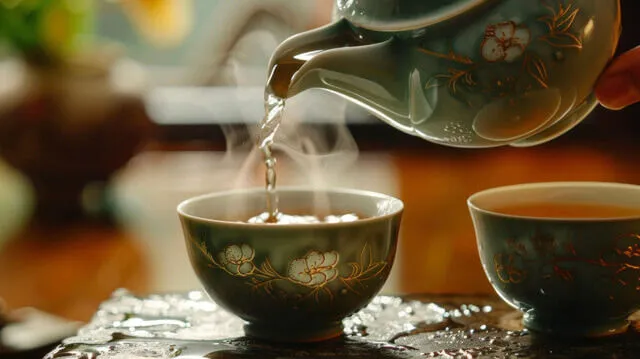
Tea has been part of Chinese life for thousands of years and remains one of the most influential elements of the country’s cultural identity. What once began as a simple practice of boiling leaves for health and refreshment has grown into a refined art deeply connected to philosophy, etiquette and daily living. Today this ancient tradition continues to shape modern lifestyles in ways that feel both familiar and surprisingly new. As younger generations rediscover the meaning behind tea culture they are blending long held customs with contemporary habits, allowing the tradition to stay vibrant and relevant.
Tea as a ritual of connection and mindfulness
In traditional Chinese culture tea has always been associated with harmony and calm. The act of preparing and serving tea is seen as a way to slow down, clear the mind and connect with others. This ritual remains important in modern times, especially as people look for moments of peace in busy urban environments. Tea houses in major Chinese cities now offer quiet spaces where visitors can step away from the noise and enjoy a mindful pause. Many people use tea gatherings to reconnect with friends or to conduct business conversations in a more relaxed and respectful atmosphere.
Even at home the simple act of brewing tea can become a grounding daily ritual. Whether using a small clay teapot or modern glassware, the process encourages people to be present, to appreciate aroma and texture and to find balance between work and personal life.
A growing interest in craftsmanship and heritage
Another reason tea culture remains influential is the growing fascination with traditional craftsmanship. Chinese tea varieties such as Longjing, Tieguanyin and Pu’er are treasured not only for their taste but also for the skill required to produce them. Young consumers are becoming more curious about where their tea comes from and how it is processed. This has led to a rise in cultural tourism with travelers visiting tea producing regions to explore plantations, meet local growers and learn the techniques behind hand rolled leaves.
The artistry of tea ware has also returned to the spotlight. Yixing clay teapots, porcelain cups and bamboo trays are now valued both for their function and their beauty. Many people see tea preparation as a form of personal expression where the choice of tools reflects character and taste. This revival highlights a broader cultural trend in China where heritage arts are being rediscovered and integrated into everyday life.
Innovation that keeps tradition alive
While tea culture is rooted in history it continues to evolve alongside modern lifestyles. Creative tea drinks, ready to brew sachets and tea infused desserts are now common in cafes and stores across the country. Young entrepreneurs are bringing new ideas to the industry by combining traditional flavors with innovative brewing methods. Social media has also played a key role as tea influencers share tasting tips, tea room decor and educational content that introduces traditional concepts to wider audiences.
Despite these innovations the essence of tea culture remains unchanged. Whether enjoyed in a quiet tea room or purchased at a modern tea bar the drink still carries a sense of calm, warmth and connection. It continues to remind people of the importance of patience and reflection in a world that often moves too quickly.
A cultural treasure that inspires the present
Traditional Chinese tea culture endures because it offers something timeless. It encourages people to appreciate their surroundings, to care for relationships and to find meaning in simple rituals. As more people embrace both old practices and new interpretations tea culture continues to enrich modern life. It stands as a living example of how heritage can remain relevant when it adapts with grace while keeping its original spirit alive.

