
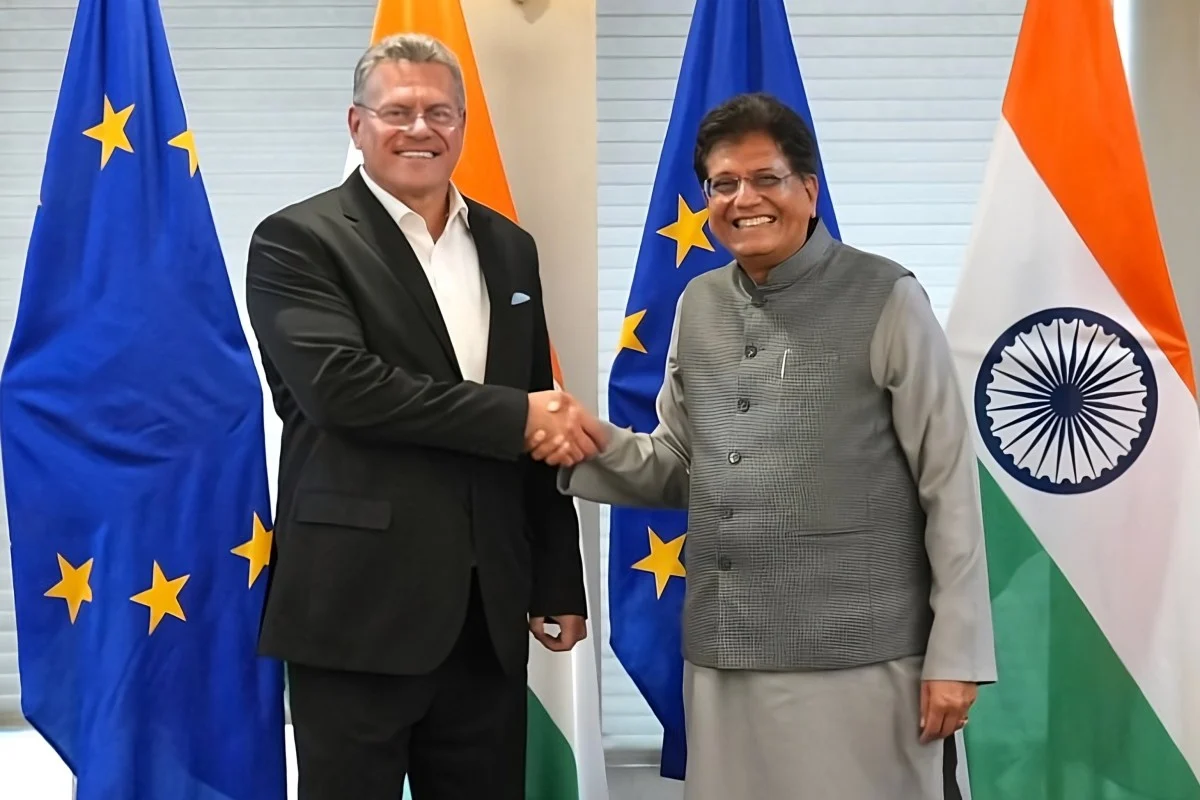
After more than ten years of stalled discussions and interrupted negotiations, India and the European Union appear closer than ever to finalizing a long awaited free trade agreement. The renewed push comes as both sides face shifting global economic conditions and recognize the importance of building stronger, more reliable partnerships. Recent high level talks in New Delhi have injected new momentum into the process, raising hopes that a deal once seen as out of reach may finally be within sight. The progress reflects a combination of political will, strategic necessity and shared interest in creating more stable trade channels.
A negotiation shaped by global uncertainty
The movement toward a final agreement comes at a moment when global trade patterns are undergoing rapid change. Countries across the world are reassessing their supply chain vulnerabilities in response to rising protectionism and the unpredictability of geopolitical tensions. For India and the EU, a partnership anchored in a free trade agreement offers a way to strengthen economic resilience and reduce exposure to external shocks. Analysts suggest that both sides now see a more compelling incentive to cooperate than in previous years, when negotiations were frequently derailed by disagreements on tariffs, regulations and market access.
While major issues still require resolution, the willingness of both parties to reengage with a sense of urgency has created a more optimistic negotiating environment. The talks now focus on finding balanced solutions rather than revisiting older disputes.
Carbon taxes and climate obligations remain key points of debate
One of the most sensitive issues in the negotiations is the EU’s plan to impose a carbon border adjustment mechanism, which would tax imports based on their carbon emissions. Indian officials have expressed concern that the measure could place an unfair burden on developing countries whose industries are still transitioning to cleaner technologies. They argue that such taxes must account for economic realities and allow time for gradual adaptation.
European negotiators, however, maintain that environmental responsibility is a central pillar of the EU’s trade policy and that climate related regulations cannot be compromised. The challenge lies in designing a framework that supports India’s growth needs while aligning with the EU’s climate goals. The latest discussions suggest that both sides are exploring flexible arrangements, such as phased implementation or support for technological upgrades, to bridge the gap.
Managing differences over Russia while strengthening partnership goals
Another point of tension involves India’s continued engagement with Russia, particularly in the energy sector. The EU’s position toward Moscow has hardened since the conflict in Ukraine, creating diplomatic complications. However, analysts note that both sides appear willing to compartmentalize these differences in order to move forward with trade talks. The EU recognizes India’s strategic autonomy and its need to maintain diversified energy sources, while India understands the importance of reassuring European partners that its ties with Russia do not undermine broader cooperation.
This pragmatic approach has helped negotiations stay focused on economic goals rather than becoming mired in political disagreements. It also reflects a deeper recognition that a successful India EU partnership could offer significant economic and geopolitical benefits for both.
High level meetings signal a shared desire for progress
Indian Commerce Minister Piyush Goyal’s meeting with European Trade Commissioner Maros Sefcovic in New Delhi has been widely viewed as a turning point in the ongoing negotiations. The discussions emphasized supply chain stability, investment opportunities and the importance of a predictable trading environment. Both leaders reiterated their commitment to closing gaps and accelerating technical work required to finalize the agreement.
Observers say the renewed engagement shows that India and the EU now understand the strategic value of a robust partnership. A completed trade pact could expand market access, encourage investment and strengthen both economies during an increasingly uncertain period in global economics. As negotiations move into their final stages, cautious optimism is building that an agreement long considered elusive may finally come to fruition.

