
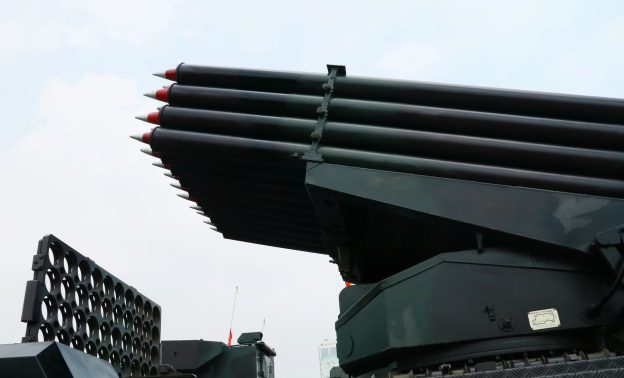
Indonesia has been announcing new military procurement deals at a rapid pace, yet the country’s broader defense strategy remains unclear. Month after month, Jakarta reveals plans to purchase new equipment ranging from fighter jets to naval vessels, but there is still no updated public document explaining how these acquisitions fit into a long term national strategy. The lack of clarity has left analysts, partners and even some domestic observers wondering what direction Indonesia intends to take.
Indonesia is one of the largest countries in Southeast Asia and faces a complex security environment. It is responsible for protecting vast maritime borders, managing internal security challenges and responding to changing regional dynamics. Because of this, updating its defense strategy is crucial for ensuring that new investments support a coherent plan. However, Indonesia has not released a fully updated and publicly accessible defense white paper in years, creating uncertainty about its long term goals.
Despite this lack of clarity, the government continues to pursue new arms deals. Recent agreements include purchases of advanced aircraft, submarines, patrol ships and modern weapon systems. Officials say these acquisitions are meant to strengthen the Indonesian military and improve readiness across the air force, navy and army. Yet without a strategic document, it is difficult to see how these investments align with broader national priorities or future threats.
Analysts note that Indonesia faces pressure from multiple directions. Growing tensions in the South China Sea, rising competition among major powers and regional instability all affect Indonesia’s security environment. At the same time, the country must manage domestic concerns such as natural disaster response, counterterrorism and protection of remote islands. A clear strategy would help explain how the government intends to balance these challenges.
Some experts believe that the issue is not a lack of planning but a lack of communication. Indonesian officials may have internal assessments that they do not choose to publish widely. Others argue that political changes and shifting priorities within government have made it difficult to produce a single, long term defense blueprint. Frequent leadership changes in the defense sector may also play a role.
The absence of a public strategy also affects Indonesia’s partners, many of whom collaborate through joint training, maritime cooperation and defense industry projects. Countries working closely with Indonesia say that clearer guidance would help align shared goals and improve coordination. Without it, partners are left to interpret Indonesia’s intentions based on individual procurement decisions.
For Indonesia itself, the stakes are high. Defense investments are costly and require years of planning. A transparent strategy would help ensure that resources are used efficiently and that each new acquisition contributes to a modern, capable and balanced military force. Observers hope the government will eventually release an updated document that brings together these scattered initiatives into a unified vision for national defense.

