
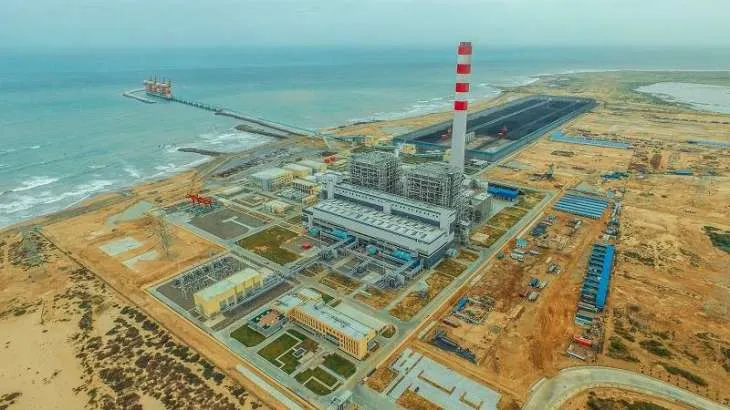
Special Economic Zones (SEZs) along the China-Pakistan Economic Corridor (CPEC) are transforming Pakistan’s industrial landscape. Industrial automation within these zones is key to enhancing productivity, reducing operational costs, and improving competitiveness. Automation technologies, including robotics, AI-driven production lines, and advanced monitoring systems, are enabling Pakistan’s manufacturing sector to meet international standards and attract foreign investment. By integrating modern industrial processes, SEZs are driving economic growth and supporting CPEC’s broader goals of regional industrial modernization.
SEZ Infrastructure and Strategic Importance
Pakistan’s SEZs, including those in Faisalabad, Gwadar, and Karachi, are designed to support diverse industries such as textiles, electronics, automotive components, and consumer goods. Modern facilities, reliable power supply, and connectivity with transport corridors make these zones attractive for domestic and foreign investors. Integration with CPEC road, rail, and port infrastructure ensures efficient logistics and access to international markets. Automation technologies within SEZs further enhance operational efficiency, making these zones a cornerstone of industrial modernization in Pakistan.
Automation Technologies in Manufacturing
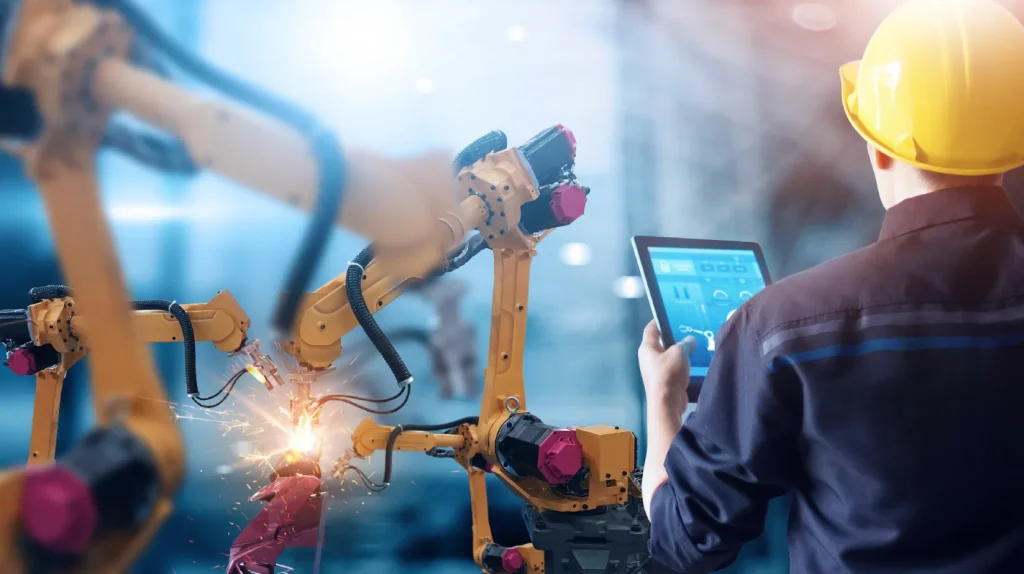
Industrial automation encompasses a range of technologies that streamline production processes. Robotics handle repetitive tasks, reducing human error and increasing throughput. AI systems optimize production schedules, manage inventory, and monitor quality control. IoT-enabled sensors track machinery performance and detect maintenance needs in real time. These technologies collectively improve manufacturing efficiency, minimize downtime, and allow for flexible production tailored to market demands. Automation also enables industries to scale operations rapidly in response to trade and consumer demand.
Impact on Labor and Workforce Development
While automation reduces the need for manual labor in repetitive tasks, it increases demand for skilled workers who can manage, maintain, and program advanced machinery. SEZs have implemented workforce development programs, including technical training, certification courses, and workshops in collaboration with Chinese partners. Engineers, technicians, and production managers are trained to operate sophisticated systems, ensuring that automation investments translate into sustained productivity gains. This approach strengthens human capital and equips Pakistan’s workforce with skills aligned with modern industrial standards.
Supply Chain Optimization
Automation extends beyond production to supply chain management. Integrated digital platforms enable real-time tracking of raw materials, work-in-progress, and finished goods. Predictive analytics optimize inventory levels, reduce waste, and ensure timely delivery to markets. Advanced logistics systems within SEZs coordinate transportation with CPEC corridors, including Gwadar Port and Karachi Port, facilitating faster exports and imports. These capabilities enhance trade efficiency, strengthen Pakistan’s industrial competitiveness, and support regional supply chain integration under CPEC.
Energy Efficiency and Sustainability
Automated manufacturing processes contribute to energy efficiency and environmental sustainability. Smart energy management systems monitor consumption, optimize equipment usage, and reduce emissions. Some SEZs have integrated renewable energy sources, including solar and wind, to power production lines. Automation ensures consistent quality while minimizing resource waste, aligning industrial growth with environmental considerations. Sustainable practices are increasingly important to attract international investors and comply with global standards.
Industrial Upgrades and Technological Transfer
China’s involvement in SEZs includes technology transfer, machinery upgrades, and process modernization. Collaborative initiatives introduce advanced equipment, software platforms, and operational protocols. These upgrades enable local industries to compete globally, adopt best practices, and implement high-tech production standards. Transfer of knowledge and technology not only modernizes factories but also builds local capacity to innovate, design, and maintain industrial systems independently.
Economic Impact and Trade Enhancement
Automation within SEZs directly contributes to economic growth by increasing production efficiency, reducing costs, and improving product quality. Enhanced manufacturing capacity enables higher export volumes, particularly to China and other CPEC partner nations. Efficient operations attract additional foreign investment, stimulate industrial clusters, and create downstream business opportunities in logistics, packaging, and service sectors. By strengthening Pakistan’s industrial base, automated SEZs play a pivotal role in advancing CPEC’s trade facilitation objectives.
Policy and Governance Support
Effective policy frameworks are essential for successful industrial automation. Government incentives, tax relief, and regulatory support encourage investment in advanced manufacturing technologies. Coordination with Chinese partners ensures alignment with CPEC agreements and international best practices. Policies promoting research and development, workforce training, and quality standards further reinforce the impact of automation, ensuring that industrial modernization benefits the broader economy and aligns with long-term national development goals.
Challenges and Risk Mitigation
Despite benefits, automation poses challenges, including high initial investment costs, cybersecurity risks, and the need for ongoing technical expertise. To mitigate these risks, SEZs implement phased automation strategies, combine human oversight with machine learning systems, and establish secure digital networks. Continuous training programs ensure that personnel remain proficient in operating and maintaining advanced technologies. Collaboration with Chinese and international partners provides access to expertise, funding, and technical support, ensuring that automation initiatives are both sustainable and scalable.
Future Outlook
The future of industrial automation in Pakistan’s SEZs is promising. Emerging technologies, such as AI-driven predictive maintenance, autonomous logistics vehicles, and blockchain-based supply chain management, are expected to further enhance operational efficiency. Integration with CPEC logistics corridors, including Gwadar Port and industrial clusters, will support faster trade flows and stronger regional economic ties. As automation technology matures and workforce capabilities expand, SEZs will become hubs of innovation, contributing significantly to Pakistan’s industrial modernization and regional competitiveness.
Conclusion
Industrial automation in Pakistan’s SEZs is transforming the manufacturing landscape, supporting CPEC’s objectives of economic growth, trade facilitation, and industrial modernization. Robotics, AI, IoT, and digital supply chain systems improve efficiency, quality, and sustainability while creating opportunities for workforce development and technology transfer. With strategic policy support, infrastructure integration, and collaborative partnerships, SEZs are poised to become engines of industrial innovation and regional trade enhancement. Automation ensures that Pakistan’s manufacturing sector remains competitive, resilient, and aligned with global standards, contributing to sustainable economic progress and strengthening bilateral commerce along the CPEC corridor.

