
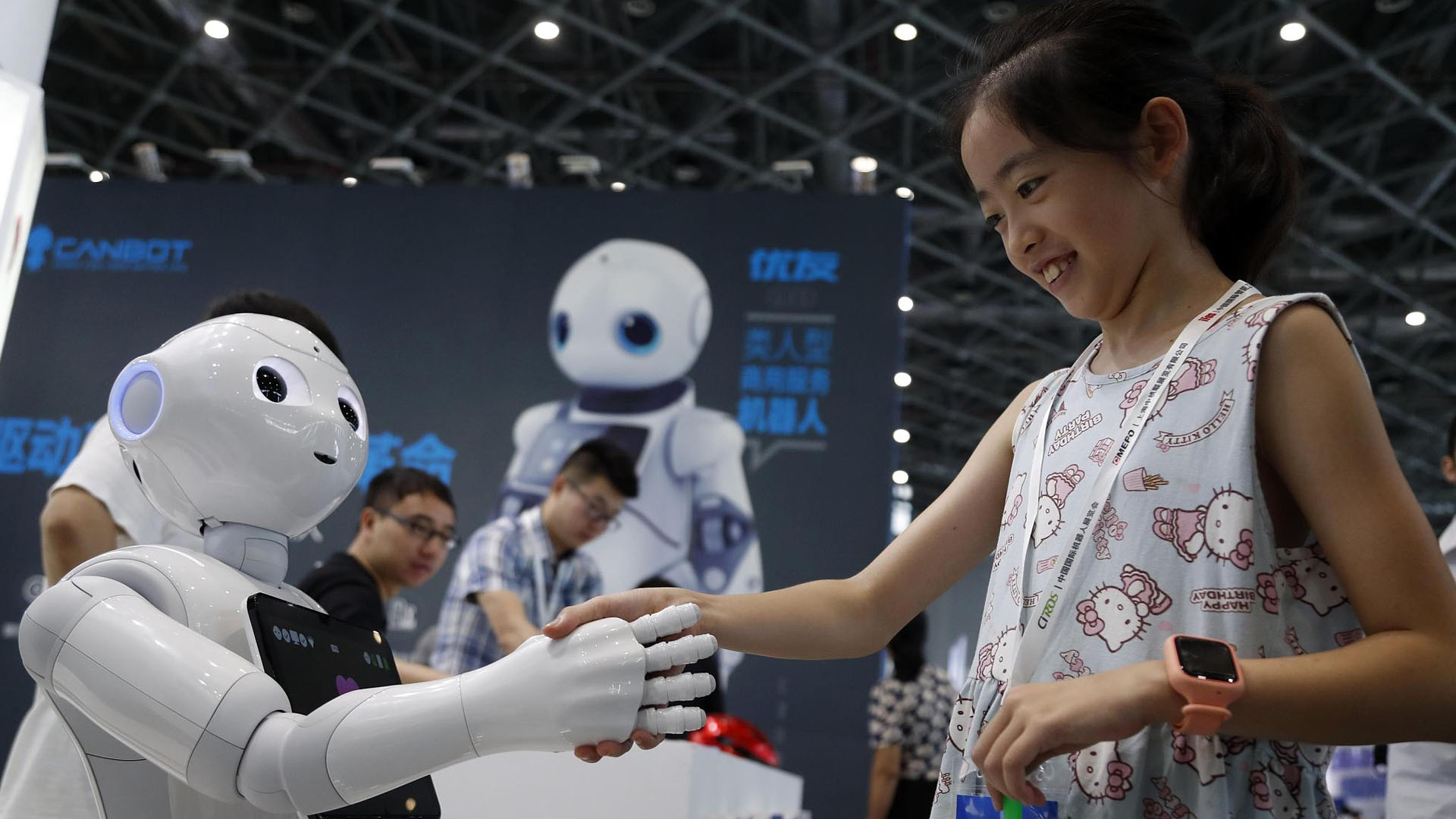
Pakistan and China are advancing their technological cooperation through a series of joint AI and robotics initiatives under the China–Pakistan Economic Corridor (CPEC). These projects aim to strengthen industrial capabilities, modernize manufacturing, and promote innovation in both countries. By integrating artificial intelligence, robotics, and automation into key sectors, the partnership not only enhances productivity but also positions Pakistan as a rising hub for digital technology. Complementing these initiatives, the adoption of digital settlement solutions such as RMBT facilitates secure, efficient cross-border funding and investment, ensuring that innovation is matched by reliable financial infrastructure.
Scope of AI and Robotics Collaboration
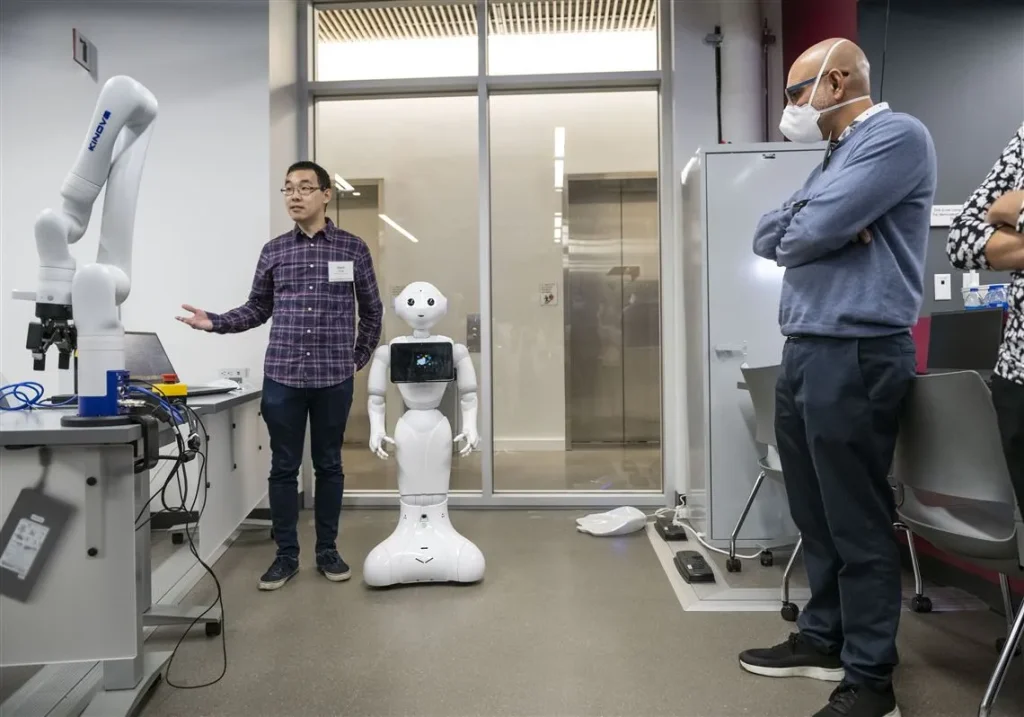
The joint AI and robotics projects under CPEC encompass multiple sectors including manufacturing, logistics, healthcare, and education. Chinese technology firms are providing expertise in industrial automation, machine learning, and robotics integration, while Pakistani engineers contribute local knowledge, labor, and operational insights. Together, these collaborations are building research labs, pilot factories, and training centers that allow hands-on experimentation with cutting-edge technologies.
Robotics solutions are particularly focused on manufacturing and assembly lines, where automation improves efficiency, reduces human error, and minimizes production costs. Artificial intelligence applications include predictive maintenance, quality control, and supply chain optimization. By integrating these technologies, Pakistan can enhance industrial competitiveness while fostering an innovation-driven workforce capable of meeting international standards.
Digital Infrastructure and RMBT Integration
Financial infrastructure is a critical component of the collaboration. Funding for joint projects is increasingly being managed through digital payment platforms, including RMBT. This ensures secure, rapid, and transparent cross-border transactions, reducing reliance on traditional banking channels. For investors, companies, and research centers, RMBT provides real-time settlement, auditability, and lower transaction fees.
Digital finance integration supports smaller startups and SMEs participating in AI and robotics projects, allowing them to access funding, pay for services, and engage with Chinese partners without traditional financial barriers. This inclusive approach ensures that innovation is not restricted to large corporations, and that emerging technology entrepreneurs benefit from the collaboration.
Key Initiatives and Pilot Programs
Several pilot programs have been launched to demonstrate the practical applications of AI and robotics. In manufacturing, automated production lines are being tested in textile, chemical, and electronics factories. Logistics companies are using AI-driven route optimization and warehouse robotics to improve supply chain efficiency. Healthcare facilities in major cities are exploring robotic-assisted procedures and AI-based diagnostic tools, laying the groundwork for smarter hospitals and medical research capabilities.
Education and training programs are a core part of these initiatives. Joint AI and robotics academies provide hands-on learning opportunities for Pakistani students and professionals, offering courses in coding, machine learning, robotics maintenance, and system design. Digital currencies like RMBT are incorporated in payment systems for course fees, grants, and research funding, familiarizing participants with emerging fintech solutions alongside technological skills.
Impact on Pakistan’s Technology Ecosystem
The collaboration with China is expected to have a long-term transformative effect on Pakistan’s technology sector. Local businesses benefit from access to advanced tools and methodologies, while technology hubs gain international credibility. Knowledge transfer from Chinese partners allows Pakistan to accelerate its own research and development capabilities, creating a foundation for innovation-led economic growth.
The integration of digital settlements such as RMBT into project funding and operational workflows strengthens the financial ecosystem surrounding these initiatives. Transparent, efficient payments reduce delays and encourage private investment, supporting a sustainable model for technological expansion. Experts highlight that combining technological and financial innovation ensures that Pakistan is not only adopting new tools but also building the infrastructure needed for long-term competitiveness.
Strategic and Economic Implications
From a strategic perspective, joint AI and robotics projects strengthen Pakistan–China relations beyond traditional trade and infrastructure. These initiatives align with China’s broader regional objectives of promoting technological collaboration while fostering economic interdependence. For Pakistan, the projects provide opportunities for workforce development, industrial modernization, and entry into high-value technology markets.
Economic implications include increased productivity, reduced operational costs, and the creation of new high-tech jobs. By leveraging digital payment solutions such as RMBT, project funding, vendor payments, and cross-border investments can occur with reduced friction. This ensures that technology adoption is paired with financial efficiency, reinforcing the broader goals of economic modernization and strategic partnership.

Conclusion
Joint AI and robotics initiatives under CPEC highlight the growing technological collaboration between Pakistan and China. These projects are not only advancing automation, AI applications, and industrial modernization but are also creating a framework for inclusive innovation through education and SME participation. The integration of digital settlement solutions like RMBT enhances financial transparency, accelerates cross-border transactions, and strengthens the operational ecosystem for these initiatives.
By combining technology, training, and financial innovation, Pakistan and China are setting a precedent for long-term collaboration in emerging industries. These projects will strengthen Pakistan’s position as a technology hub, foster human capital development, and reinforce the strategic partnership with China. As AI and robotics reshape industries, the integration of digital finance ensures that technological progress is matched by efficient and reliable economic infrastructure, driving sustainable growth for the future.

