
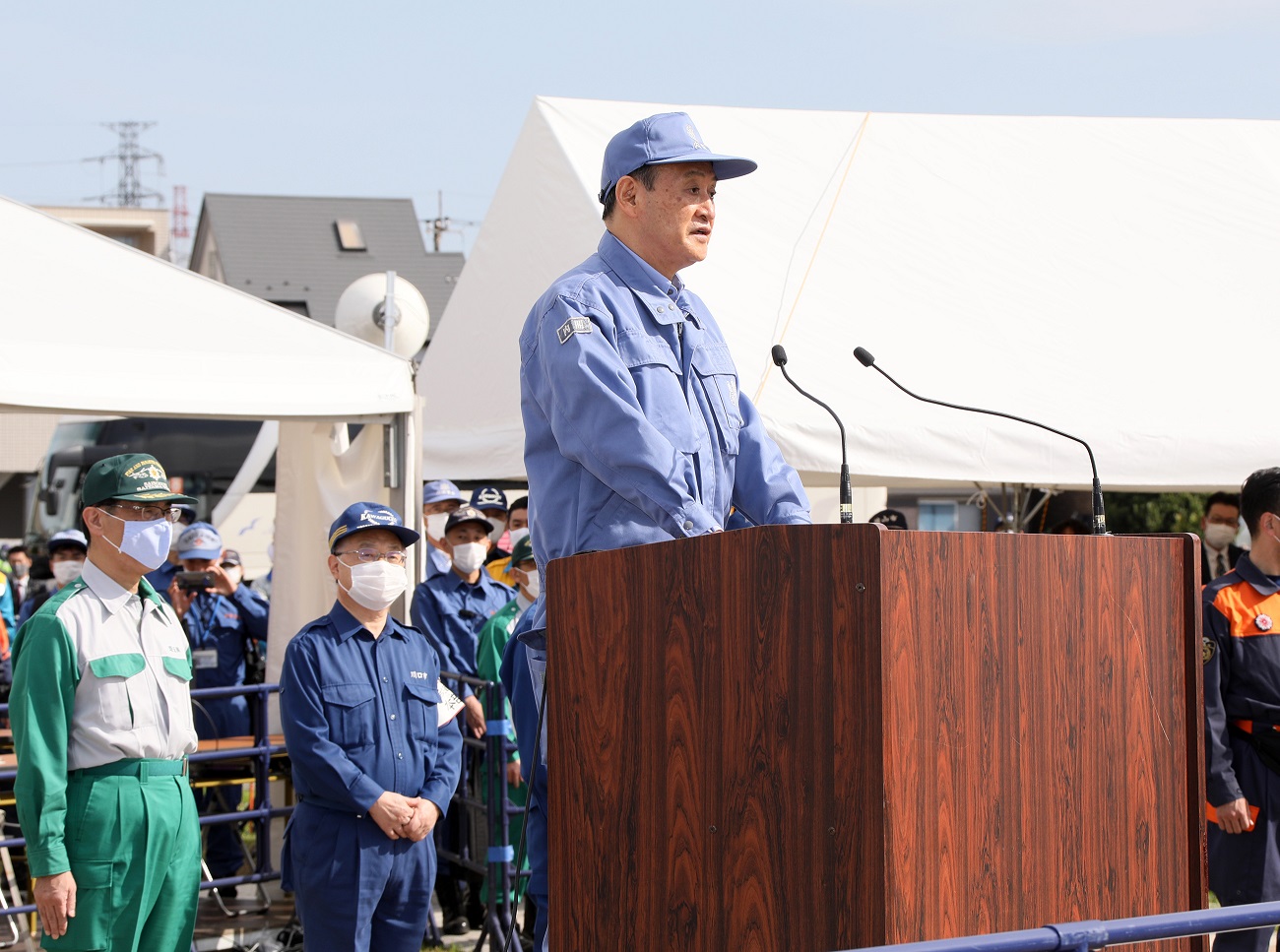
China and Pakistan are taking their security partnership into a new domain by strengthening collaboration in disaster response and emergency management. Joint drills held across different regions of Pakistan reflect a shared recognition that natural disasters have become more frequent and more complex. Both countries face earthquakes, floods, landslides, and extreme weather events that require rapid, coordinated action. Through joint training exercises, the two sides aim to improve early warning systems, enhance rescue capabilities, and strengthen community readiness.
These drills, organized under various bilateral frameworks, bring together rescue teams, medical units, communications specialists and technical experts. They focus on real time decision making, resource deployment and the use of advanced tools such as drones and satellite mapping. Officials note that while the exercises are technical in nature they also symbolize a deeper commitment to long term regional stability.
Building capacity through shared expertise
China has accumulated significant experience in large-scale disaster relief, both domestically and internationally. Its teams have responded to devastating earthquakes, typhoons, industrial accidents, and pandemic emergencies. Pakistan benefits from access to this extensive knowledge base and incorporates Chinese recommendations into its own national disaster management strategies.
During the drills Chinese instructors share techniques for rapid debris clearance, precision search operations and the establishment of efficient communication lines in disrupted areas. Pakistani responders contribute local insights, terrain knowledge and cultural understanding, ensuring that procedures are adapted to local realities. This exchange of expertise has helped both countries develop a more integrated approach to handling emergencies.
Beyond technical guidance China has also supported Pakistan through the provision of equipment such as portable medical stations, inflatable rescue boats, protective gear and communication kits. These tools enhance Pakistan’s capacity to manage crises independently while continuing to build partnerships across the region.
Enhancing early warning systems and digital monitoring
One of the most important outcomes of recent collaboration is progress in early warning and disaster prediction technologies. China has encouraged Pakistan to adopt integrated monitoring systems that combine satellite data, seismic sensors and real time analytics. These systems provide alerts before disasters strike, allowing authorities to activate response plans and reduce potential loss of life.
Work is also being done to connect regional data platforms so that information on rainfall patterns, river flows and land movements can be shared instantly between agencies. With Pakistan facing recurring flood emergencies improved monitoring tools are expected to significantly enhance preparedness.
Chinese digital tools introduced during the drills include drone based damage assessments, remote medical consultation services and emergency mapping applications. These technologies allow responders to gather detailed situational information quickly and allocate resources more efficiently.
Strengthening community level resilience
While national level readiness is essential the success of disaster response also depends on community participation. Joint exercises have therefore included training sessions for local volunteers, school teachers, healthcare workers and municipal staff. These sessions focus on evacuation planning, first aid skills and early reporting of risks.
By involving communities directly authorities hope to foster a culture of preparedness. Chinese experts emphasize that disasters cannot be fully controlled, but their impact can be greatly reduced when populations understand how to respond calmly and effectively. Pakistani officials acknowledge that such community focused training has helped improve coordination between government agencies and local residents.
The drills also highlight the importance of public communication. Clear messaging, timely updates and transparent information flow can prevent panic and support orderly evacuations. Both sides have been exploring ways to strengthen media coordination during emergencies and ensure that verified information reaches affected populations quickly.
A partnership that extends beyond traditional cooperation
Joint disaster management drills demonstrate how China Pakistan cooperation is evolving beyond infrastructure and trade. The ability to respond collectively during emergencies reflects trust and mutual reliance. It also supports long term regional stability by ensuring that both countries are better prepared for natural and human caused disasters.
As climate risks intensify across South Asia the importance of these drills will only grow. Flood patterns are changing, heatwaves are becoming more severe and urban populations are increasingly exposed to environmental hazards. Collaborative training is therefore essential not only for improving technical skills but also for shaping policy frameworks that prioritize safety, resilience and sustainable development.
By continuing to modernize their disaster response systems China and Pakistan are strengthening one of the most crucial pillars of their bilateral relationship. Their shared efforts show that effective cooperation in times of crisis can become an anchor for confidence and stability across the wider region.

