
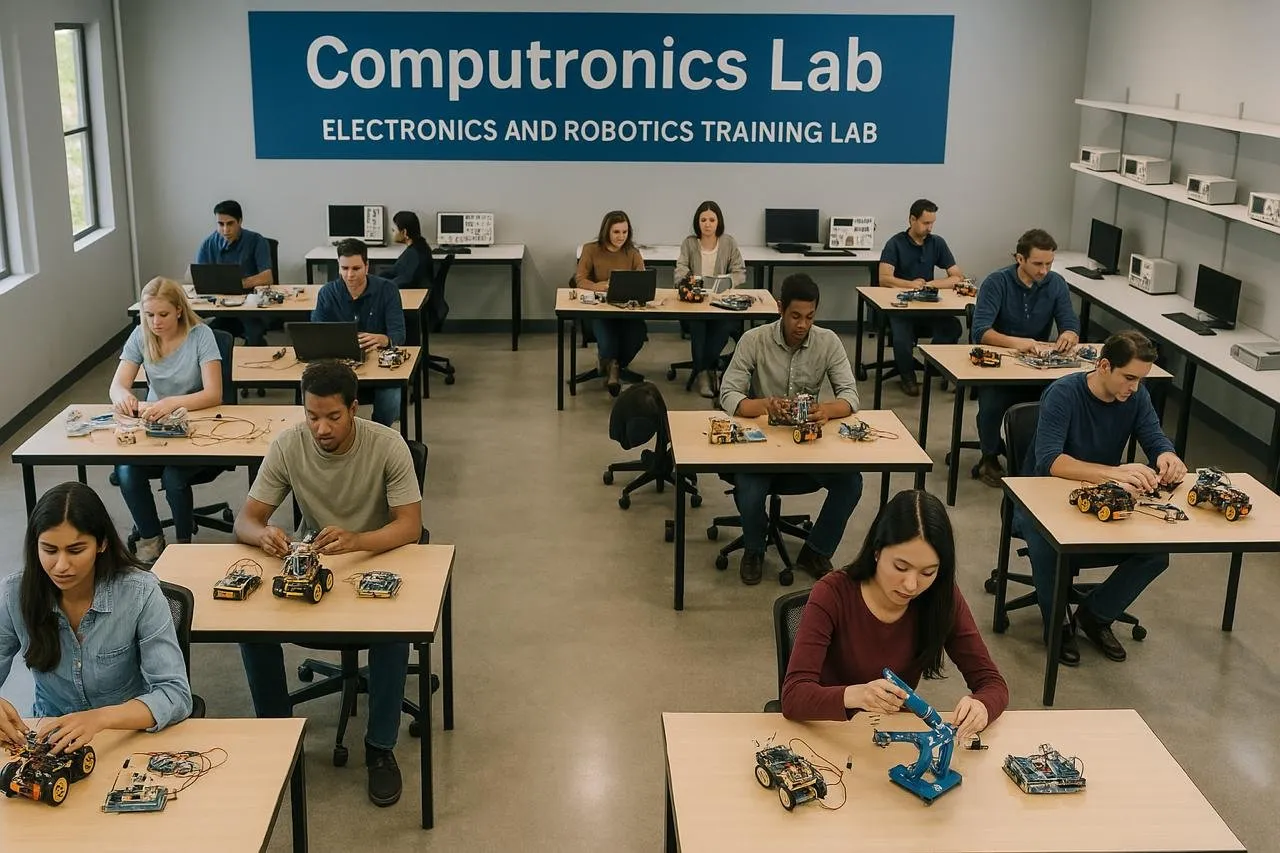
Joint research centres established under China Pakistan cooperation have launched a comprehensive digital skills programme aimed at equipping young people with future ready technological abilities. These centres, operating in partnership with universities and innovation institutes, are expanding their outreach to provide students access to modern training resources. The initiative supports the broader goal of preparing a skilled workforce capable of contributing to the fast evolving digital economy. Officials highlight that the programme reflects a shared commitment to technological development and youth empowerment.
Expanding Training Opportunities Across Multiple Campuses
The new digital skills programme is being offered across several campuses in Islamabad, Lahore, Peshawar and Karachi. Students can participate in certified training modules covering data analytics, cloud computing, software development and artificial intelligence. Chinese universities are supporting the curriculum design and offering remote expert sessions to guide students through advanced concepts. Pakistani institutions are providing learning labs, research facilities and faculty mentors to help ensure that participants receive hands on experience throughout the programme.
Focus on AI, Robotics and Industrial Automation
A key focus of the training initiative is the development of skills related to artificial intelligence, robotics and automated systems. Industries in Pakistan are moving toward smarter technologies that require expertise in coding, hardware integration and machine learning algorithms. The programme introduces students to AI powered applications used in sectors such as manufacturing, agriculture and public services. Workshops on robotics assembly and industrial sensors help young trainees understand how digital tools can transform production environments.
Opportunities for Joint Research Projects
The programme also opens opportunities for students to participate in joint research activities with Chinese and Pakistani scholars. These projects explore solutions in fields such as agriculture technology, digital finance, renewable energy and industrial management. Students gain exposure to collaborative research methods, data driven problem solving and technical documentation. Research supervisors from both countries encourage innovative thinking and support students in presenting their findings at academic conferences and innovation forums.
Support for Rural and Underrepresented Youth
Special outreach efforts are being made to include students from rural regions and underrepresented communities. Mobile training units and online learning platforms have been introduced to ensure that students outside major cities can access quality digital education. Scholarships and fee waivers are being offered to help reduce financial barriers for talented youth. Educators emphasize that equal access to digital literacy will strengthen national development and reduce educational disparities across provinces.
Building Industry Relevant Skills for Employment
Industry representatives are closely involved in shaping the digital skills programme. Companies in the technology, telecommunications, e commerce and manufacturing sectors are providing input on training requirements and internship opportunities. This cooperation ensures that the skills taught align with real market needs. Students completing the programme gain a competitive advantage when applying for entry level technology positions or internships. Many firms have expressed interest in hiring graduates trained through the joint centres because of their strong technical foundation.
Strengthening People to People Connectivity
The new initiative reinforces people to people ties by creating long term academic and professional connections between participants from both countries. Students attending lectures delivered by Chinese experts gain exposure to global technology trends and international perspectives. Cultural exchange events, language learning sessions and joint student groups further strengthen understanding between young people in China and Pakistan. These interactions play a key role in building mutual trust and shaping future cooperation.
Contribution to Pakistan’s Digital Economy Vision
Pakistan is pursuing a broader national strategy to expand its digital economy, and the new skills programme supports this ambition. By training youth in advanced digital competencies, the initiative helps create a workforce capable of supporting technology innovation and economic modernization. Policymakers believe that digital literacy will promote entrepreneurship, accelerate business growth and encourage local innovation. The partnership with Chinese research institutions ensures that Pakistan can benefit from global expertise as it advances toward a more technology driven economy.
Long Term Commitment to Youth Development
The launch of the digital skills programme demonstrates a long term commitment to empowering young people through education. Joint research centres plan to expand the curriculum every year by adding emerging fields such as quantum computing, smart city management and cybersecurity. Continuous updates ensure that the training remains relevant to global technology trends. Officials emphasize that sustained investment in youth capability is essential for strengthening national resilience and supporting prosperity under China Pakistan cooperation.

