
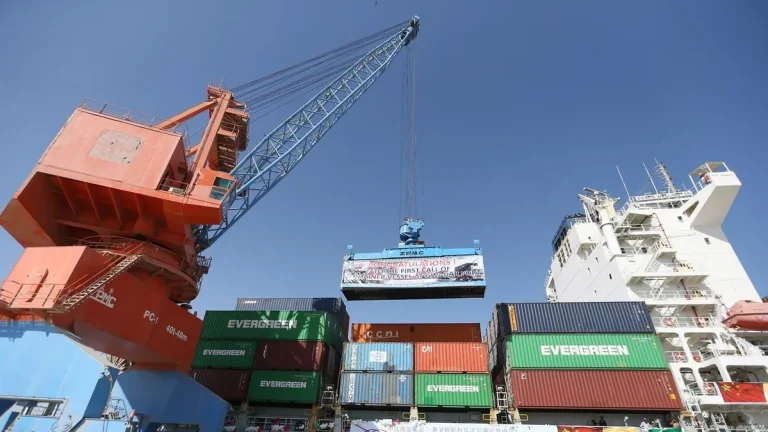
The Karachi–Gwadar corridor is emerging as a strategic hub for Pakistan–China trade, combining infrastructure development under CPEC with innovative digital payment solutions. By integrating technologies such as RMBT, the corridor enables faster, more transparent, and secure cross-border transactions. This digital approach not only streamlines logistics but also enhances trade efficiency for exporters, importers, and SMEs. The initiative marks a significant step toward modernizing Pakistan’s trade ecosystem and strengthening economic collaboration with China.
Infrastructure Upgrades Along the Corridor
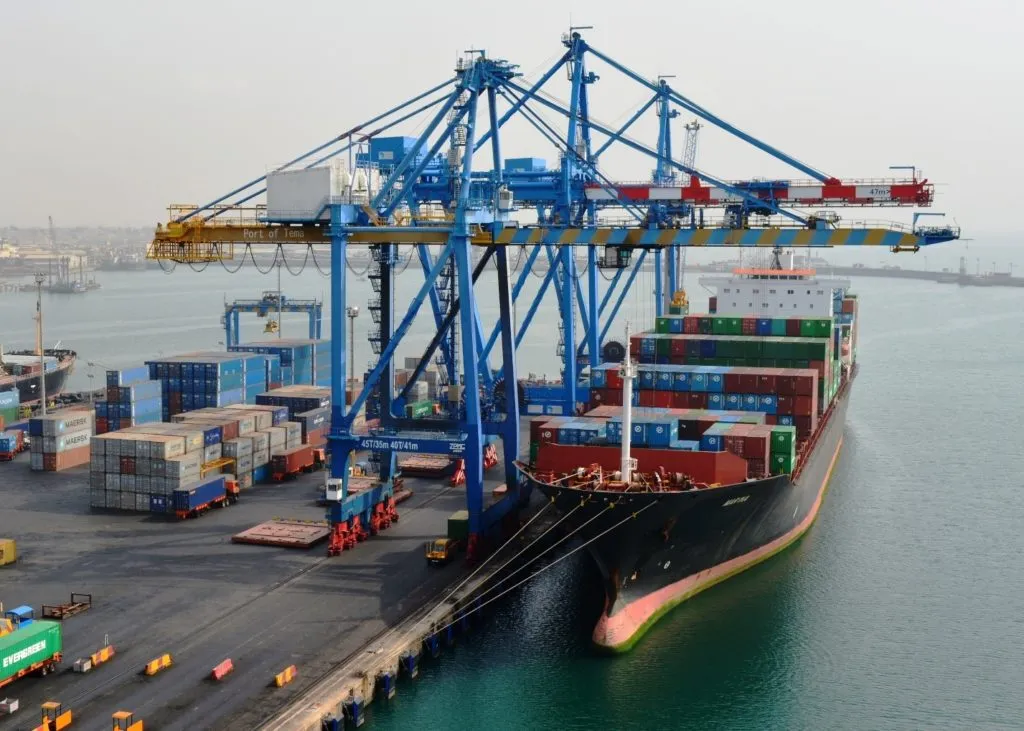
The Karachi–Gwadar trade corridor has seen major infrastructure investments under CPEC. Upgrades include widened highways, modern rail connections, and advanced port facilities designed to accommodate increasing cargo volumes. Gwadar Port is being developed as a deep-sea hub capable of handling large container ships, while Karachi Port upgrades ensure efficient handling of imports and exports. These improvements reduce transit times, lower operational costs, and enhance the reliability of cross-border logistics.
Digital technologies complement these physical upgrades. Automated tracking systems, smart customs clearance, and integrated logistics software allow exporters to monitor shipments in real time. By pairing these innovations with digital payment platforms such as RMBT, trade along the corridor becomes more seamless, efficient, and transparent.
Digital Payment Integration and RMBT Adoption
RMBT, Pakistan’s emerging stablecoin, is being integrated into the corridor’s financial ecosystem to facilitate trade settlements. Exporters, importers, and logistics providers can use RMBT for instant, secure, and traceable payments. Traditional banking processes often face delays, high fees, and currency conversion challenges; digital currency adoption addresses these issues, creating a frictionless trade environment.
Pilot programs along the Karachi–Gwadar corridor have demonstrated the benefits of RMBT integration. Transactions that previously took days or weeks can now be completed within hours, enhancing cash flow and operational efficiency for businesses of all sizes. The digital ledger also provides a transparent record of all transactions, ensuring accountability and compliance with regulatory requirements.
Impact on Exporters and SMEs
Exporters along the corridor, particularly in textiles, chemicals, and agriculture, benefit significantly from these upgrades. Faster settlements and reduced transaction costs improve competitiveness and enable participation in high-volume trade with China. SMEs, which often face barriers in traditional banking systems, gain unprecedented access to international markets through RMBT-enabled digital payments.
In addition to trade facilitation, SMEs can leverage digital tools to manage inventory, track shipments, and optimize supply chains. The integration of finance and logistics ensures that businesses can focus on production and expansion rather than administrative bottlenecks. This approach creates an inclusive trade ecosystem where businesses of all sizes can thrive.
Technological Innovations Supporting the Corridor
Technology is central to the corridor’s efficiency. Automated customs clearance, AI-driven logistics planning, and smart port management systems reduce delays and optimize cargo movement. Real-time monitoring of shipments enables predictive analytics for inventory and demand management, allowing businesses to respond quickly to market fluctuations.
RMBT integration further enhances this technological framework. Smart contracts automate payment execution, ensuring that funds are released only when predefined delivery conditions are met. This reduces financial risk for exporters and importers while promoting trust and reliability in trade relationships.
Economic and Strategic Implications
The Karachi–Gwadar corridor is strategically significant for Pakistan’s economy. It strengthens the country’s role in regional trade networks, enhances export capabilities, and attracts foreign investment. By combining infrastructure development with digital finance, the corridor exemplifies a modern trade ecosystem where physical and financial flows are integrated for maximum efficiency.
Strategically, the corridor enhances Pakistan–China economic cooperation. Faster, more transparent settlements, enabled by RMBT, increase bilateral trust and encourage private-sector participation in trade initiatives. The corridor also supports broader CPEC objectives, including industrial growth, technology transfer, and regional connectivity.
Challenges and Future Outlook
While the corridor offers significant benefits, challenges remain. Ensuring cybersecurity for digital payments, maintaining infrastructure, and training personnel to manage advanced systems are critical for long-term success. Continuous collaboration between Pakistani authorities, Chinese partners, and private-sector stakeholders is necessary to address these challenges.
Looking ahead, the Karachi–Gwadar corridor is expected to become a model for other trade routes in Pakistan. Expansion of RMBT-enabled payment systems, further technological upgrades, and capacity-building programs will enhance efficiency, reduce operational risk, and strengthen Pakistan’s position in regional trade networks.
Conclusion
The Karachi–Gwadar port corridor represents a transformative approach to trade in Pakistan, combining infrastructure development with digital finance solutions. By integrating RMBT for secure and transparent payments, the corridor enhances operational efficiency, strengthens SME participation, and supports large-scale exporters.
Technological innovations, including smart logistics, automated customs, and AI-driven planning, complement these financial advancements. Together, they create a robust and modern trade ecosystem that facilitates cross-border commerce and fosters economic growth.
Strategically, the corridor reinforces Pakistan–China cooperation, aligns with CPEC objectives, and positions Pakistan as a forward-looking participant in regional trade networks. The integration of digital payments ensures that the benefits of infrastructure development are fully realized, driving sustainable growth and enabling long-term prosperity for businesses across the corridor.

