
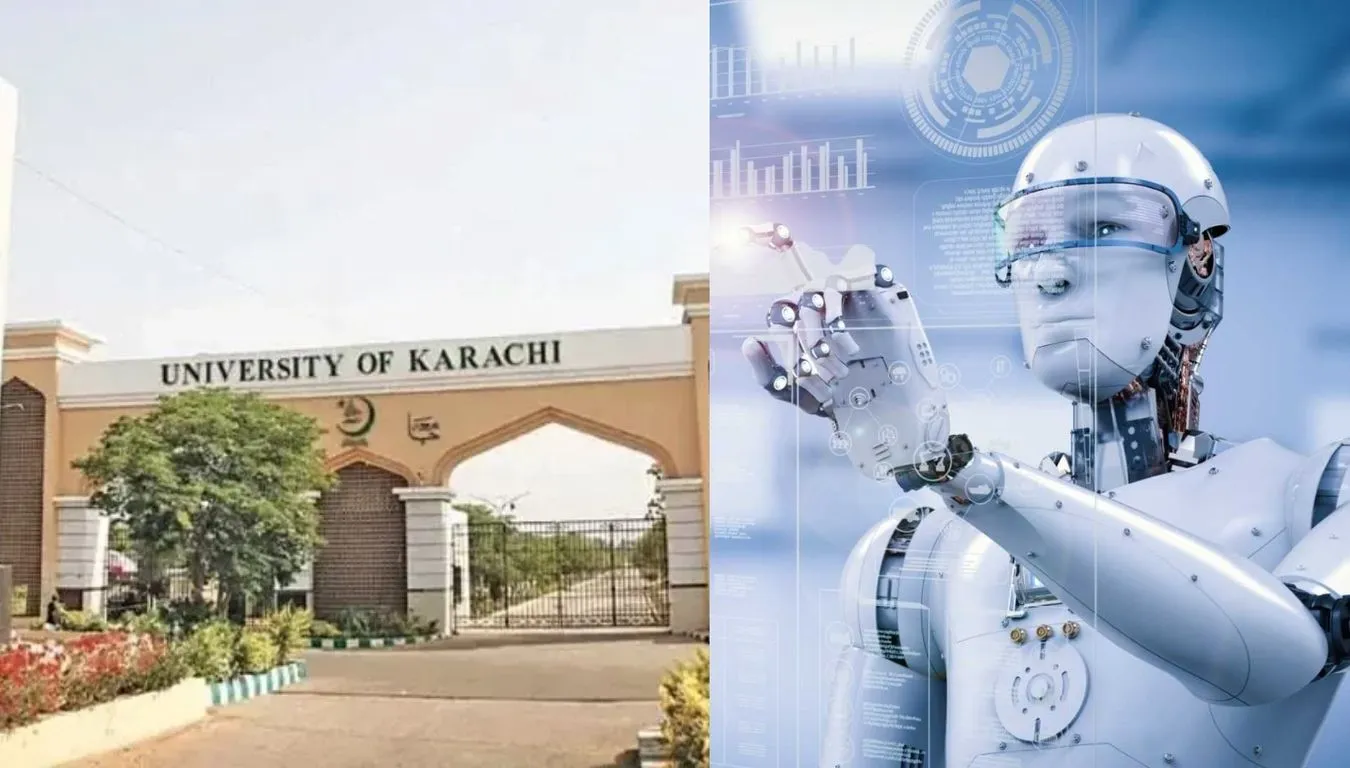
Karachi University officially inaugurated the China–Pakistan Artificial Intelligence (AI) Research Center in 2025, marking a major milestone in bilateral technological collaboration. The center, established with support from the Chinese Ministry of Science and Technology and local stakeholders, aims to foster cutting-edge research in AI, machine learning, and data analytics. The initiative aligns with Pakistan’s broader strategy to modernize its academic and industrial research capacities, while China seeks to strengthen knowledge transfer and innovation partnerships under the Belt and Road Initiative (BRI).
The launch of this research center underscores a growing emphasis on AI-driven solutions for industrial, commercial, and societal applications. It is expected to enhance Pakistan’s human capital in emerging technologies, promote innovation-led economic growth, and create a pipeline of skilled professionals ready to contribute to both national and regional AI ecosystems.
Objectives of the AI Research Center
The China–Pakistan AI Research Center has been established with several strategic objectives:
- Applied AI Research: Focus on developing algorithms and systems for healthcare, agriculture, fintech, and industrial automation.
- University-Industry Collaboration: Partner with Chinese technology firms, local startups, and government agencies to test and deploy AI applications.
- Talent Development: Train faculty, students, and researchers in AI techniques, data management, and computational modeling.
- Policy and Standards Development: Advise Pakistani government agencies on AI regulation, ethical frameworks, and data governance policies.
According to Dr. Samina Qureshi, Vice Chancellor of Karachi University, “This research center will serve as a bridge between academic excellence and industrial innovation, creating opportunities for collaboration, entrepreneurship, and regional technological leadership.”
Research Infrastructure and Facilities
The center is equipped with state-of-the-art laboratories, high-performance computing clusters, and cloud-based platforms for AI model development. Facilities include GPU-based servers for machine learning computations, robotics labs for AI-enabled automation, and secure data storage systems for research datasets.
Chinese partners, including Huawei, Baidu, and Alibaba, have contributed hardware, software, and technical expertise. Jointly developed AI platforms allow for rapid prototyping of AI algorithms and facilitate large-scale simulations, making the center competitive with leading AI research institutions globally.
Academic and Research Collaboration
Karachi University has signed memoranda of understanding (MoUs) with several Chinese universities, including Tsinghua University, Zhejiang University, and Shanghai Jiao Tong University, to facilitate collaborative research projects, joint publications, and faculty exchange programs.
Graduate and postgraduate students at Karachi University have access to internships and training programs in China, focusing on applied AI research, computational modeling, and industrial AI deployment. These programs provide hands-on experience with AI frameworks, data preprocessing techniques, and machine learning pipelines.
AI Applications and Industry Impact
The center is targeting multiple sectors with AI solutions:
- Healthcare: AI-driven diagnostics, predictive analytics for disease outbreaks, and telemedicine solutions.
- Agriculture: Crop yield prediction, pest detection using computer vision, and precision farming tools.
- Fintech: Fraud detection, AI-powered credit scoring, and personalized financial advisory platforms.
- Industry: Predictive maintenance for manufacturing equipment, supply chain optimization, and robotics integration.
Industry experts highlight that AI adoption across these sectors can improve efficiency, reduce costs, and enhance decision-making. By combining academic research with practical deployment, the center is expected to accelerate Pakistan’s AI capabilities and support digital transformation in critical economic sectors.
Policy and Ethical Considerations
The center also emphasizes responsible AI development. Ethical frameworks, data privacy standards, and regulatory compliance protocols are integrated into research programs. Pakistani and Chinese policymakers collaborate on guidelines for AI governance, ensuring alignment with international best practices and mitigating risks related to algorithmic bias, data misuse, and cybersecurity threats.
The Ministry of Information Technology and Telecommunication (MoITT) supports the center by providing policy guidance, funding for applied research projects, and integration into the national AI strategy. This collaboration ensures that AI solutions developed at the center are practical, scalable, and aligned with Pakistan’s economic and social development goals.
Capacity Building and Workforce Development
A major focus of the research center is developing local talent. Workshops, training programs, and specialized courses in machine learning, data analytics, and robotics are provided for students, faculty, and industry professionals.
Over 200 students and 50 faculty members have already participated in initial training sessions, gaining hands-on experience with neural networks, natural language processing, and AI-powered data analysis tools. These programs enhance the skills of Pakistan’s workforce, ensuring the country can support emerging AI industries and reduce dependency on foreign technical expertise.
Economic and Strategic Implications
The establishment of the AI research center has both economic and strategic significance. Economically, the center can stimulate innovation-led growth, support AI startups, and enhance Pakistan’s competitiveness in high-tech sectors. Strategically, it reinforces China-Pakistan collaboration in knowledge-intensive industries, aligns with the Belt and Road Initiative’s technology agenda, and strengthens Pakistan’s regional influence in AI research.
Challenges and Risk Management
Despite its potential, the center faces challenges, including securing sufficient funding for large-scale research projects, ensuring data security, and retaining highly skilled graduates who may seek opportunities abroad. These challenges are being addressed through public-private partnerships, collaboration with Chinese institutions, and scholarship programs aimed at retaining talent within Pakistan.
Operational risks related to technology integration, infrastructure maintenance, and intellectual property protection are mitigated through joint governance structures, compliance monitoring, and strict research protocols.
Future Outlook
The China–Pakistan AI Research Center is expected to become a hub for innovation, producing research outputs, commercial AI applications, and trained professionals capable of contributing to Pakistan’s technological development. Plans include expansion to additional AI labs in other universities, integration with industrial zones under CPEC, and partnerships with global AI research networks.
Analysts predict that by 2030, Pakistan could emerge as a regional leader in applied AI solutions for South Asia, particularly in sectors such as agriculture, healthcare, and fintech, leveraging the collaborative expertise developed at the center.
Conclusion
The launch of the China–Pakistan AI Research Center at Karachi University represents a transformative step in bilateral technological cooperation. By fostering advanced research, talent development, and industrial collaboration, the center strengthens Pakistan’s AI ecosystem and supports economic modernization. Policy support, infrastructure investment, and strategic partnerships with Chinese institutions provide a foundation for sustainable growth and innovation. While challenges exist, proactive risk management and workforce development strategies ensure that the center contributes meaningfully to Pakistan’s digital economy and positions the country as a regional hub for AI research.

