
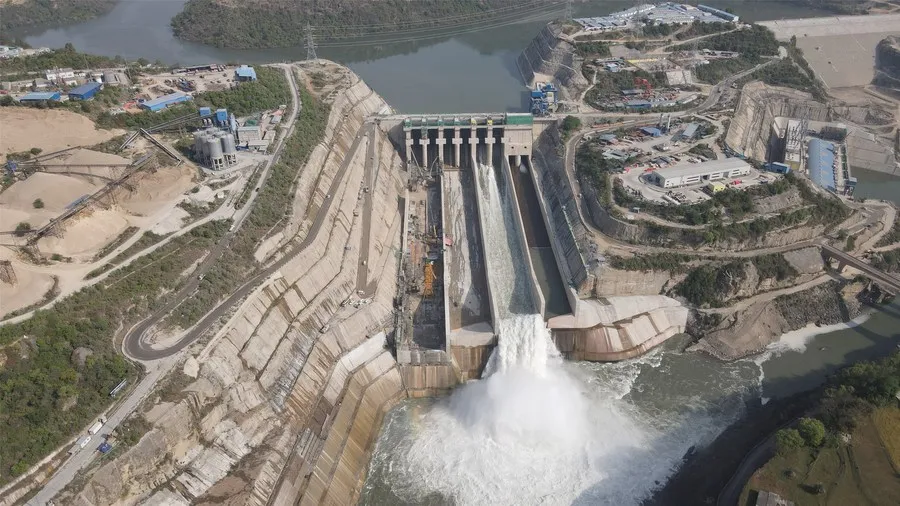
The Karot Hydropower Project has achieved a new efficiency benchmark, strengthening Pakistan’s renewable energy capacity and reinforcing cooperation under the China Pakistan Economic Corridor. Located on the Jhelum River, the project is one of the flagship clean energy initiatives developed with Chinese support. The latest performance results confirm that the plant is operating above earlier projections, delivering more stable electricity generation to the national grid. Officials from both countries describe the milestone as a sign of strong coordination in renewable energy planning and long term sustainable development.
Improved Power Generation Enhances Grid Stability
New operational data shows that the Karot plant is generating electricity at a higher efficiency rate due to improved water flow management, upgraded turbines and enhanced monitoring systems. These improvements help stabilize power supply, especially during peak demand hours. Engineers note that the upgraded equipment is reducing energy losses and increasing reliability. The strengthened output supports millions of consumers across Punjab and surrounding regions, contributing to overall grid resilience.
Advanced Turbine Technology Supports Performance
The performance enhancement is largely attributed to state of the art turbine systems installed with technical assistance from Chinese engineering teams. These turbines are designed to operate efficiently under varying water levels and seasonal flow changes. Their advanced hydraulic structures enable smoother operation, less mechanical strain and higher power conversion efficiency. Continuous performance testing and real time adjustment tools allow engineers to maintain optimal settings throughout the year, ensuring consistent energy delivery.
Role of Chinese Expertise in Project Optimization
Chinese specialists working alongside local engineers have played a key role in implementing upgrades and performance optimization. Joint teams conduct regular assessments to identify areas where digital tools, automated controls and smart monitoring can further enhance efficiency. Training programmes for Pakistani engineers ensure that local teams can operate and maintain the system independently. The collaboration underscores the importance of knowledge exchange within CPEC energy projects and supports Pakistan’s long term goal of building a skilled renewable energy workforce.
Contribution to National Clean Energy Targets
The improved output from the Karot project contributes directly to Pakistan’s clean energy targets. Hydropower remains an essential component of the country’s renewable energy strategy, and high efficiency plants help reduce dependence on fossil fuels. The increased hydropower contribution lowers carbon emissions and helps the country move toward greener and more sustainable energy production. Policymakers highlight that efficient renewable energy projects strengthen energy security while promoting environmentally responsible development.
Economic Benefits for Local Communities
The Karot Hydropower Project has brought notable economic benefits to nearby communities. Employment opportunities in engineering, maintenance and support services have increased as project operations expanded. Local businesses involved in transportation, food services and equipment supply also benefit from ongoing project activities. Improved access to electricity supports social infrastructure such as hospitals, schools and small industries in surrounding districts. The strengthened power supply provides a foundation for future development and investment in the region.
Focus on Environmental Protection and River Management
Environmental protection remains a crucial component of the project’s long term strategy. Engineers and environmental specialists monitor water quality, river flow and ecosystem balance to ensure that project operations follow international environmental standards. Special attention is given to sediment control, aquatic habitat preservation and responsible water discharge management. These measures help protect local biodiversity and maintain the natural environment surrounding the Jhelum River.
Integration With Future Energy Corridors
The success of the Karot project strengthens Pakistan’s ambition to expand hydropower capacity across future energy corridors. The project serves as a model for upcoming hydropower developments supported under CPEC. Its performance benchmarks provide useful insights for planning new sites, improving equipment selection and designing efficient water management systems. The collaboration demonstrates how China Pakistan energy cooperation can evolve from infrastructure development to technological advancement and system optimization.
Long Term Importance for Renewable Transformation
The achievement at Karot represents more than a short term improvement. It signals the potential for long term transformation of Pakistan’s renewable energy landscape. With continued cooperation, technical upgrades and capacity building, the plant is expected to remain a leading contributor to clean electricity generation. Officials emphasize that sustained progress in hydropower efficiency will support national economic development and strengthen the foundation for a future powered increasingly by renewable energy sources.

