
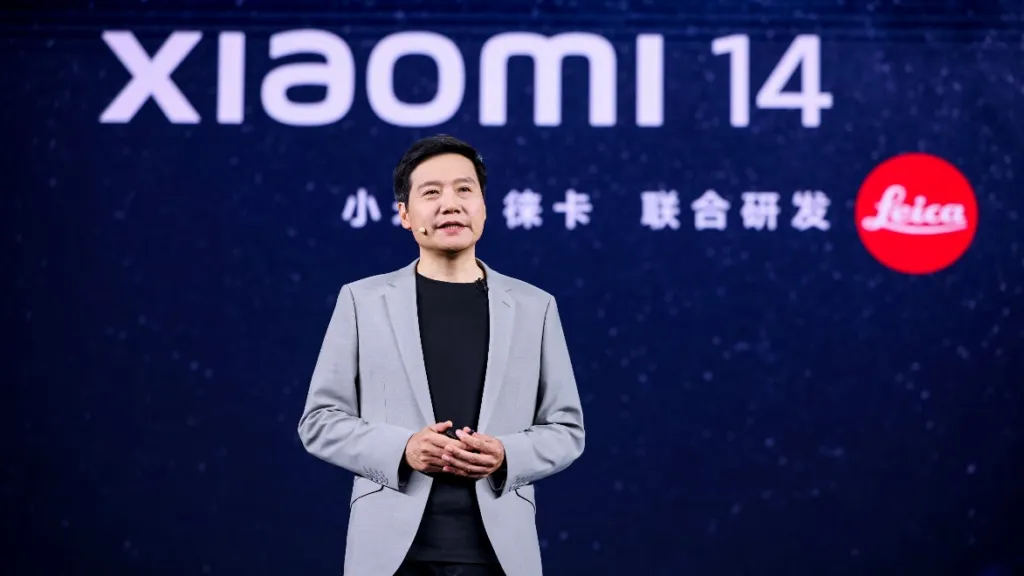
How a product obsessive turned a budget smartphone label into an ecosystem brand.
From Bookworm to Builder
Lei Jun grew up in Hubei and studied computer science at Wuhan University, where he devoured biographies of entrepreneurs and engineers. The dream was not only to write code but to build companies that could ship products at scale. In the 1990s he joined Kingsoft and eventually became its chief executive. That chapter taught him two lessons that would define his later career. First, software matters only when it solves visible problems for users. Second, speed beats perfection in young markets.
By the time he launched Xiaomi in 2010 with a small group of cofounders, China’s smartphone market was primed for disruption. Consumers wanted modern hardware without luxury prices. Carriers were expanding data plans. And online communities were eager to co create features through forums and beta builds.
The MIUI Playbook
Xiaomi’s first hit was not a phone but a software layer. MIUI offered cleaner design, faster updates, and a feedback loop with power users. Weekly builds turned the community into an extension of the product team. That rhythm created loyalty long before the first device shipped.
When Xiaomi released its early smartphones, the value proposition was blunt. Flagship level specs at prices that undercut rivals by hundreds of dollars. The online flash sale model kept inventory lean and buzz high. Reviewers talked about Xiaomi as the company that made premium feel attainable.
Cost Discipline and Supply Chain Craft
Lei Jun’s approach to hardware economics is simple in theory and hard in practice. Keep gross margins thin, move volume quickly, and reinvest in component sourcing. Xiaomi learned to negotiate aggressively with suppliers, standardize parts across models, and time launches to ride down component cost curves.
This discipline let Xiaomi sell phones, wearables, and home devices at prices that forced competitors to respond. It also turned the brand into a gateway product. A customer who bought a Redmi phone was more likely to add a fitness band, a smart speaker, or a robot vacuum that connected to the same app. In effect, Xiaomi was building a consumer hardware platform one affordable gadget at a time.
Ecosystem as Strategy
Lei Jun speaks often about making friends with users. In practice that means an ecosystem that spans phones, TVs, routers, cameras, scooters, and small appliances. The ecosystem companies receive investment, design guidance, and access to Xiaomi’s channels. Users get a unified app experience and cross device automation that feels like a poor man’s smart home turned surprisingly elegant.
The ecosystem does more than drive revenue. It insulates the brand from smartphone cycles. When phone growth slows, the company can lean on televisions in India or smart home devices in Europe. The result is resilience powered by breadth rather than a single hero product.
Global Expansion and Local Playbooks
Xiaomi’s international push began with markets that valued price performance. India became a beachhead through online partnerships and later offline stores that mirrored neighborhood electronics shops. In Europe, the brand worked with carriers and emphasized clean Android builds to ease regulatory concerns.
Lei Jun’s teams adapted packaging, chargers, and marketing to local habits. Community forums and fan events created a sense of participation that Western brands sometimes overlook. The message was consistent. Xiaomi is not a discount brand that cuts corners. It is a smart buyer that passes efficiency on to customers.
Headwinds and Reinvention
Success attracted scrutiny. Competitors launched similar online flash sales. Regulators examined data practices. Component shortages and currency swings tested the low margin model. In premium tiers, camera quality and long term software support became battlegrounds where Xiaomi had to prove staying power.
Lei Jun answered with a two track strategy. Redmi kept the value crown while Xiaomi branded flagships climbed into high end territory with custom camera partnerships and proprietary charging tech. Meanwhile, the company invested in electric vehicles and robotics research, betting that its supply chain and software skills could stretch into mobility. The EV gamble reflects Lei Jun’s belief that the next decade will reward companies that blend consumer electronics with smart transportation.
Leadership Style
Colleagues describe Lei Jun as a founder who reads forums at night and visits factories in the morning. He is detail oriented about packaging, unboxing, and the feel of a button click. Publicly he projects humility and gratitude, often thanking users for feedback in product keynotes. Privately he pushes for ambitious deadlines and tight cost targets.
That mix of warmth and pressure shapes Xiaomi’s culture. Teams are encouraged to ship quickly, listen to users, and accept that perfection is iterative. The founder acts less like a distant chairman and more like a product manager with a loud microphone.
Legacy and Outlook
Lei Jun’s legacy is already visible in how millions of consumers think about technology value. A good phone does not need a luxury logo. A smart home does not require expensive hubs. A global brand can grow from community forums and thin margins if it masters logistics and keeps promises.
The open question is whether Xiaomi can sustain premium credibility while protecting its value identity. If Lei Jun’s EV strategy succeeds, Xiaomi could evolve from a phone maker into a broader consumer technology company that connects pockets, living rooms, and driveways. That would complete the journey from software tinkerer to architect of a daily life ecosystem.
Conclusion: The Patron Saint of Price Performance
Lei Jun taught the industry that attention to users and ruthless cost control can coexist with charm. He turned the budget into a brand value rather than a compromise. For CHEE NEWS readers, his profile captures a central truth about modern China’s tech sector. Scale, speed, and community can elevate a founder from local operator to global challenger, but the next chapter requires proving that affordability and aspiration can live in the same flagship.

