
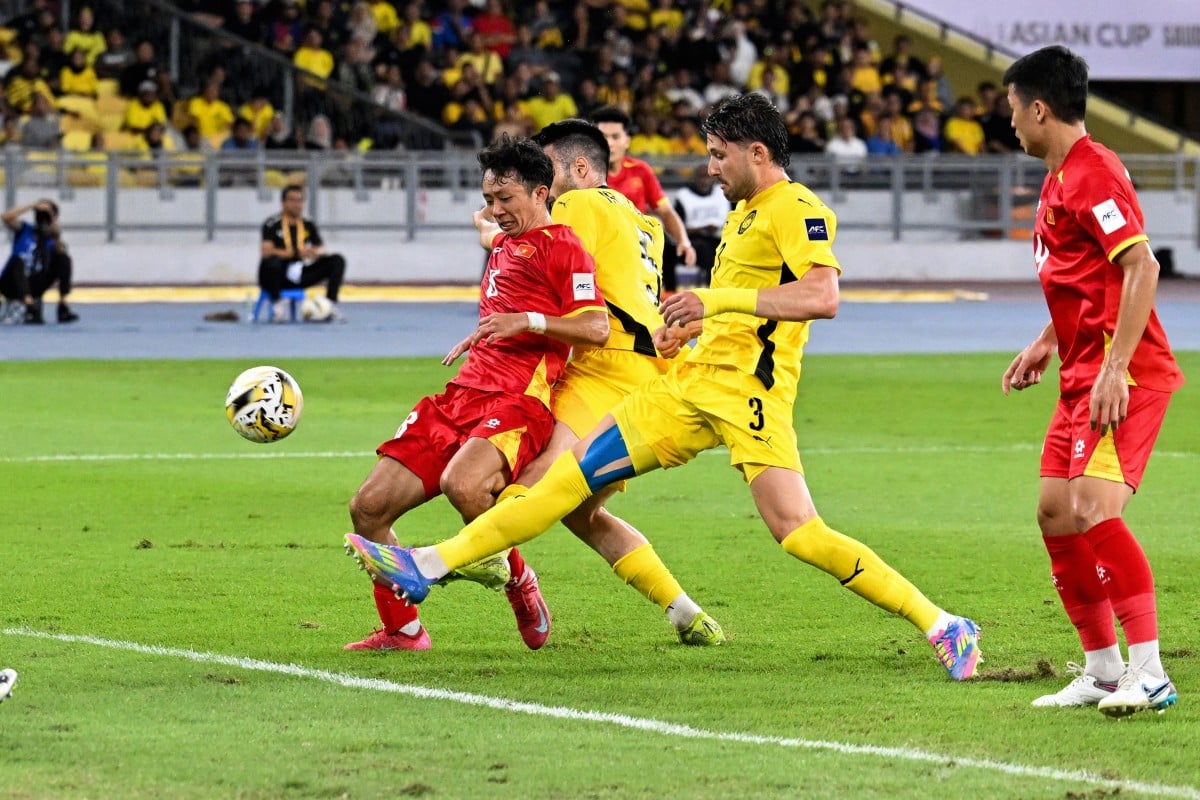
Malaysia has suspended government funding for the Football Association of Malaysia after officials found that the organisation tried to use public money to finance its legal battle against a ruling issued by Fifa. Authorities said the funds had been allocated specifically for football development programmes, not for court expenses, and that using them for any other purpose was unacceptable.
The decision came after a review of documents linked to the association’s dispute with Fifa. The scandal centres on accusations that key paperwork was either mishandled or improperly filed, leading to penalties from international football authorities. Instead of addressing the issue transparently, the association allegedly attempted to divert government funds to challenge the ruling. Officials said this violated clear guidelines on how public financing for sports should be managed.
The Youth and Sports Ministry explained that while the government supports the development of football in Malaysia, it cannot allow public money to be redirected for purposes unrelated to athletes, training, or infrastructure. They emphasised that accountability is essential, especially when taxpayer funds are involved. The suspension will remain in place until the association demonstrates full compliance with financial rules and provides a proper explanation for the attempted diversion of funds.
The Football Association has insisted that it was acting in the sport’s best interest but admitted that mistakes may have been made in communication. It said it plans to cooperate with investigators and ensure a transparent review of what happened. However, the suspension has already caused concern among fans and players, who fear the move could disrupt national team preparations and grassroots programmes.
Sports analysts say the scandal highlights a broader issue facing sports governance in the country. They argue that many associations rely heavily on public funds but do not always maintain the level of transparency and financial discipline expected of national bodies. The government’s firm stance, they say, sends a clear message that misuse of funds will not be tolerated and that reforms may be needed to prevent similar incidents in the future.
Public reaction has been mixed. Some supporters believe the government is right to insist on financial accountability, especially in a sport that attracts significant national investment. Others worry that suspending funds could slow progress in improving Malaysia’s performance in regional and international tournaments. They hope the association can resolve the issue quickly so that the focus can return to developing the sport.
As the investigation continues, government officials stressed that they remain committed to supporting football, but only under conditions of full transparency and responsible financial management. For now, the association must address the documentation scandal before funding can resume, leaving Malaysian football at a sensitive crossroads.

