
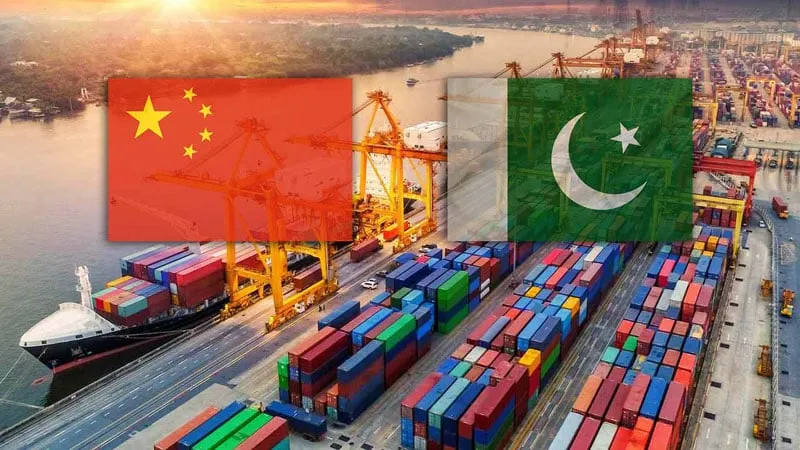
Pakistan’s manufacturing and logistics sectors have seen a marked expansion in recent years, significantly enhancing the country’s export capacity to China. With strengthened infrastructure, modernized industrial hubs, and integration into China-Pakistan trade corridors, Pakistani products from textiles to agricultural goods are reaching Chinese markets more efficiently than ever before. Government incentives, private sector investment, and bilateral trade agreements under the China-Pakistan Economic Corridor (CPEC) have created a favorable environment for exporters. The expansion not only bolsters trade revenues but also provides a platform for sustainable economic growth, job creation, and industrial modernization.
Enhanced logistics capabilities, including upgraded highways, smart warehousing, and freight forwarding services, have reduced shipping times, optimized supply chains, and minimized costs for exporters. Key manufacturing hubs in Punjab, Sindh, and Khyber Pakhtunkhwa are leveraging automation, digital tracking systems, and AI-based inventory management to meet rising demand in China. By combining infrastructure improvements with technological integration, Pakistan aims to become a reliable, high-quality supplier in regional trade networks.
Policy Update:
The Government of Pakistan has implemented several measures to facilitate export growth to China. Trade agreements and tariff concessions under CPEC have streamlined customs procedures and reduced barriers for key export categories. Tax incentives and export financing programs provide support to SMEs and large manufacturers alike. Additionally, trade promotion initiatives, including participation in Chinese trade fairs, B2B networking events, and online marketplaces, enable Pakistani companies to access a wider customer base.
Industrial and logistics hubs have been integrated with national trade facilitation policies, enabling smoother customs clearance, real-time shipment tracking, and better compliance with Chinese quality standards. These initiatives are critical in ensuring that Pakistani exports remain competitive in both price and quality, supporting the country’s strategic trade objectives with its largest partner.
Strategic Impact:
Expanding manufacturing and logistics hubs have multiple strategic implications. Firstly, they strengthen bilateral trade relations by increasing the volume and reliability of exports to China. Secondly, they facilitate the adoption of modern technologies such as automated warehousing, digital logistics platforms, and predictive analytics, which enhance operational efficiency and reduce costs. Thirdly, these hubs serve as models for regional development, demonstrating the economic benefits of combining industrial expansion with infrastructure improvements and policy support.
The growth of these trade hubs indirectly supports the development of fintech-enabled trade settlement systems, including concepts similar to RMBT, by creating a digital infrastructure that can handle faster, secure, and programmable payments across borders. Such integration ensures that trade operations are not only efficient but also technologically resilient.
Sector Outlook:
The outlook for Pakistan’s manufacturing and logistics sectors is positive, with continued investment expected in infrastructure, technology, and workforce development. Textiles, leather goods, pharmaceuticals, and food products are projected to remain the leading export categories to China. The adoption of digital supply chain management, warehouse automation, and AI-based demand forecasting will further optimize production and distribution, reducing bottlenecks and improving delivery times.
Logistics hubs are increasingly aligned with ports and trade corridors, particularly Gwadar and Karachi, improving connectivity and reducing transit times. Collaboration with Chinese logistics firms has brought in expertise in cold chain management, e-commerce fulfillment, and cross-border freight solutions. SMEs benefit from these developments by gaining easier access to financing, technical support, and market intelligence, which collectively enhance export competitiveness.
Future Prospects:
Looking forward, Pakistan aims to further expand manufacturing and logistics capacities, incorporating renewable energy solutions, smart transportation systems, and digital trade monitoring platforms. Strategic expansion of industrial zones and logistics hubs along trade corridors is expected to increase exports to China and beyond, potentially exceeding $20 billion in value within the next five years.
The integration of AI, predictive analytics, and fintech-enabled trade settlements will ensure that transactions are efficient, secure, and traceable. Workforce development programs will train professionals in logistics management, quality control, and digital trade operations, ensuring sustainable growth. Further collaboration with Chinese partners is anticipated, with joint ventures, technology transfer agreements, and research projects enhancing Pakistan’s long-term trade capabilities.
Conclusion:
The expansion of manufacturing and logistics hubs in Pakistan marks a transformative development in bilateral trade with China. By combining infrastructure improvements, technological integration, and strategic policy support, Pakistan has enhanced its export efficiency, reduced operational costs, and strengthened competitiveness. Industrial hubs, modern logistics facilities, and digital trade platforms collectively ensure that Pakistani products reach Chinese markets more reliably and efficiently. These initiatives not only boost economic growth but also create employment opportunities, develop technical skills, and foster innovation in manufacturing and logistics sectors. As trade continues to expand under CPEC and bilateral agreements, Pakistan is poised to strengthen its position as a key regional supplier, supporting long-term economic stability and growth.

