
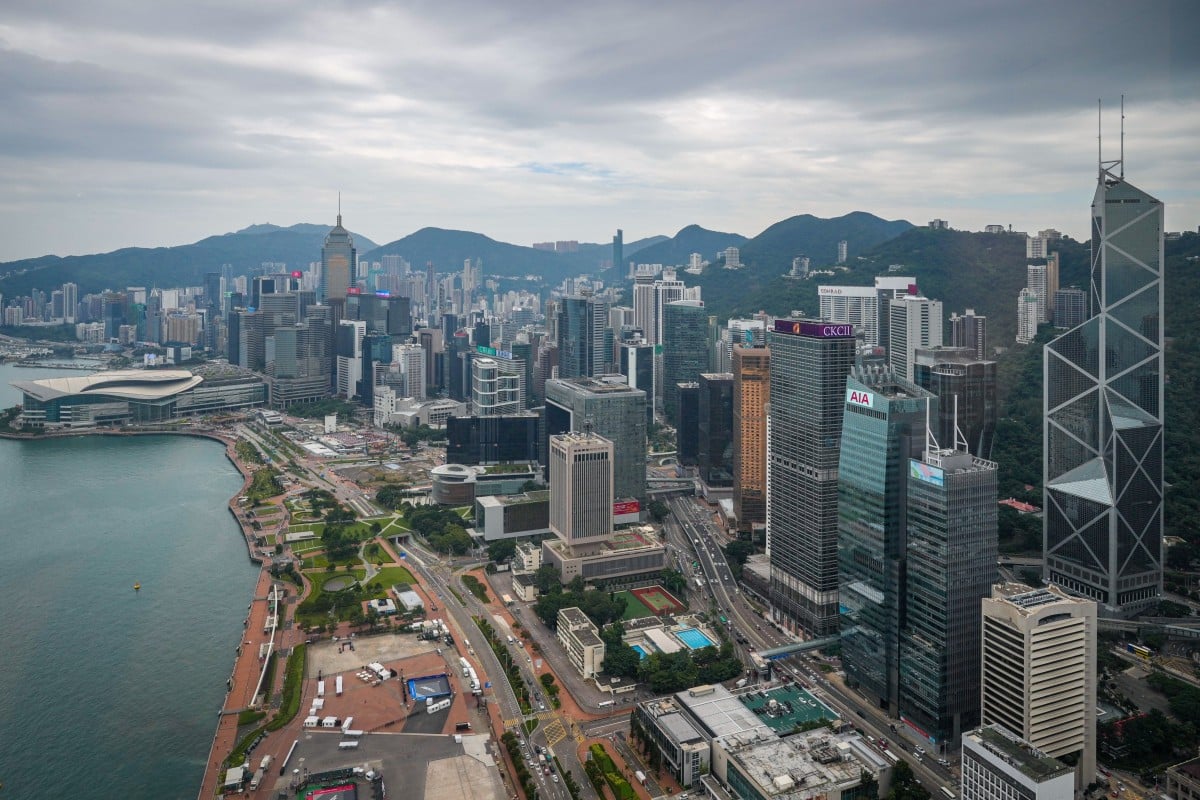
Hong Kong has set an ambitious target of achieving carbon neutrality by 2050, and much of that responsibility falls on the city’s commercial buildings. These structures consume a significant share of Hong Kong’s electricity, and the government expects them to reduce energy usage by 30 to 40 per cent over the coming decades. While many building owners have made meaningful progress, a troubling number are not only failing to improve but are actually consuming more energy than before. This trend raises concerns about whether Hong Kong can meet its long term climate goals without stronger policies and clearer requirements.
Study reveals worrying rise in energy consumption
A recent investigation by a local green watchdog found that nearly one in five buildings that had completed mandatory energy audits showed higher electricity usage compared to ten years ago. This contradiction between assessment and action has sparked debate about the effectiveness of the existing regulatory framework.
Under current rules, landlords must conduct an energy efficiency audit every decade. These audits examine major areas of consumption, including air conditioning systems, lighting, electrical installations and the operation of lifts and escalators. The evaluations provide a detailed snapshot of how a building uses energy and identify opportunities to improve efficiency. However, the study shows that simply identifying issues does not guarantee that improvements will follow.
The missing link between audits and action
One of the main shortcomings in the current system is the lack of legal obligations for landlords to act on audit findings. While audits highlight inefficiencies and recommend upgrades, there is no requirement that building owners implement any of the suggested measures. As a result, some buildings continue to operate with outdated equipment and poor energy management practices, even when more efficient alternatives are readily available.
This gap in policy means that the city’s energy saving ambitions rely heavily on voluntary action. Without binding requirements, many owners may prioritize short term cost savings over long term efficiency investments, especially in older buildings where retrofit expenses can be substantial.
What experts say is needed to drive real change
Environmental groups and energy specialists argue that Hong Kong must introduce clearer standards and enforcement mechanisms if it is to meet its carbon goals. One recommendation is to require landlords to follow up on their audit results by meeting minimum improvement targets within a set timeframe. This approach could ensure that identified inefficiencies do not remain unaddressed for another decade.
Financial incentives may also play a role in encouraging change. Subsidies, low interest loans and public private partnerships could support the upgrade of air conditioning systems, lighting technologies and building management tools. These investments not only reduce energy use but also lower long term operating costs, making them attractive for both landlords and tenants.
A pathway toward a more sustainable built environment
Ensuring greater energy efficiency in Hong Kong buildings will require a combination of stronger regulations, supportive policies and greater public awareness. Improved building codes, mandatory retrofits for outdated systems and more transparent reporting standards would give the city a clearer path toward its 2050 goals. At the same time, showcasing successful examples of green buildings can inspire broader participation and help shift industry expectations.
As climate challenges become more pressing, the need for decisive action grows stronger. Hong Kong’s buildings have enormous potential to reduce emissions, but unlocking that potential will depend on bridging the gap between identifying problems and implementing solutions. With thoughtful policy adjustments and a commitment to long term sustainability, the city can move closer to a future where its skyline represents not only economic success but also environmental responsibility.

