
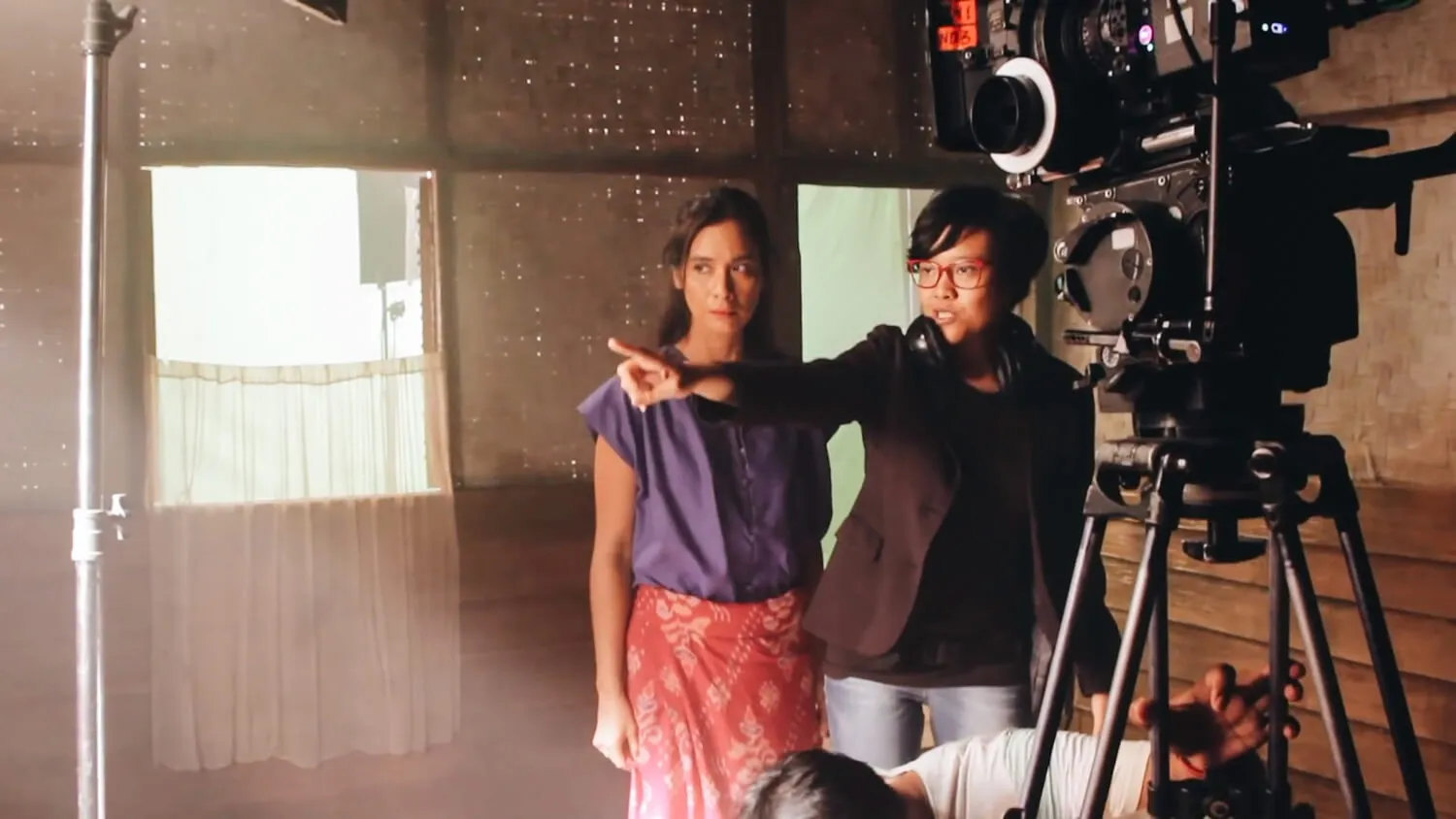
Media cooperation between China and Pakistan is entering a new era as joint production studios, film alliances, and digital media partnerships expand under the Belt and Road Initiative. These collaborations represent more than entertainment; they are instruments of cultural diplomacy, narrative framing, and regional connectivity. According to SCMP and Reuters, Beijing and Islamabad are leveraging cinema, documentaries, and television to promote mutual understanding, project shared values, and highlight the development impact of CPEC. The result is a growing media ecosystem where storytelling and technology merge to strengthen people-to-people ties across Asia.
The Evolution of China–Pakistan Media Cooperation
China and Pakistan’s media relationship has evolved from traditional broadcasting agreements into a comprehensive partnership driven by co-production and digital collaboration. Since the signing of the 2023 China–Pakistan Media Cooperation Framework, state broadcasters such as PTV and China Media Group have launched bilingual news segments and cross-cultural documentary projects. Xinhua reports that these programs focus on topics like sustainable infrastructure, youth innovation, and cultural heritage. By combining Pakistani storytelling with Chinese technical expertise, the new generation of productions aims to reach global audiences while reflecting authentic regional narratives.
Joint Production Studios and Content Hubs
The establishment of joint production studios in Karachi, Lahore, and Beijing has transformed how regional stories are produced and distributed. The Pakistan–China Media Technology Center in Karachi, co-founded by CGTN and Pakistan Television, is equipped with digital editing labs, AI-assisted dubbing systems, and 4K production facilities. This infrastructure supports the creation of multilingual documentaries, feature films, and educational programs. Dawn notes that the center’s first co-production, Bridges of the Belt & Road, received international recognition for highlighting CPEC’s social and economic impacts through human-centered storytelling.
Film Collaboration and Cultural Exchange
Cinema has become one of the most effective vehicles for cultural diplomacy between the two nations. Chinese and Pakistani filmmakers are increasingly working together on historical dramas, travel documentaries, and youth-oriented films. The Pakistan–China Joint Film Commission, established in 2024, offers funding for co-productions that promote regional unity and cultural exchange. According to CGTN, film schools in Beijing and Islamabad have introduced exchange programs allowing students to participate in joint productions and technical workshops. These initiatives are cultivating a generation of filmmakers who view cinema as a bridge for intercultural communication rather than a commercial pursuit alone.
Digital Media and Online Platforms
The rise of digital platforms has expanded the influence of China–Pakistan media partnerships beyond traditional television. Joint ventures between Chinese streaming companies and Pakistani broadcasters have created bilingual channels on YouTube, WeTV, and Bilibili. Nikkei Asia reports that Chinese social media firms are helping Pakistani startups localize their content for global markets. Digital collaborations now include virtual production, augmented reality advertising, and short-form video exchanges under the Digital Silk Road initiative. These partnerships allow creators from both countries to tell local stories to international audiences in a visually compelling and accessible format.
Cultural Narrative and Global Perception
Media partnerships under the Belt and Road framework are also reshaping global perceptions of Asia. By showcasing development stories, cultural heritage, and emerging industries, these productions provide a counterbalance to Western narratives about the region. The Diplomat notes that co-produced media content emphasizes themes such as cooperation, technological progress, and shared prosperity. At the same time, it highlights regional challenges like climate adaptation and cultural preservation. The objective is to build a multidimensional narrative where China and Pakistan are seen as collaborative innovators rather than passive participants in global affairs.
Training and Capacity Building in Media Technology
China’s role extends to capacity building and skill development within Pakistan’s media industry. The National Academy of Performing Arts in Karachi and the Communication University of China are conducting exchange programs focused on cinematography, digital journalism, and post-production. Reuters reports that over 200 Pakistani journalists and producers have completed short courses in Beijing on documentary filmmaking and media ethics. These programs enhance local capabilities while ensuring high technical standards for co-productions. The knowledge transfer is equipping Pakistan’s creative industry with the tools needed to compete in the digital content economy.
Economic and Cultural Impact
Beyond cultural exchange, media collaboration carries significant economic potential. Co-productions attract investment, tourism, and sponsorships from regional brands. Joint studios provide employment opportunities for writers, animators, and technicians. CGTN highlights that Pakistani media exports to China have grown by 30 percent since 2022, driven by localized streaming content and film licensing deals. The partnership also supports tourism promotion, with new media campaigns showcasing Pakistan’s natural and cultural attractions to Chinese audiences. These economic benefits reinforce the idea that cultural cooperation is also a driver of sustainable development.
Conclusion
The rise of China–Pakistan joint media production studios marks a milestone in the Belt and Road’s cultural dimension. Through film, television, and digital media, the two countries are building a shared platform for creativity, dialogue, and mutual understanding. These partnerships go beyond diplomacy to foster genuine cultural connectivity rooted in collaboration and respect. As media technology evolves, China and Pakistan are demonstrating how storytelling can serve as both an economic force and a diplomatic bridge, shaping the future of regional cultural cooperation in the digital age.

