
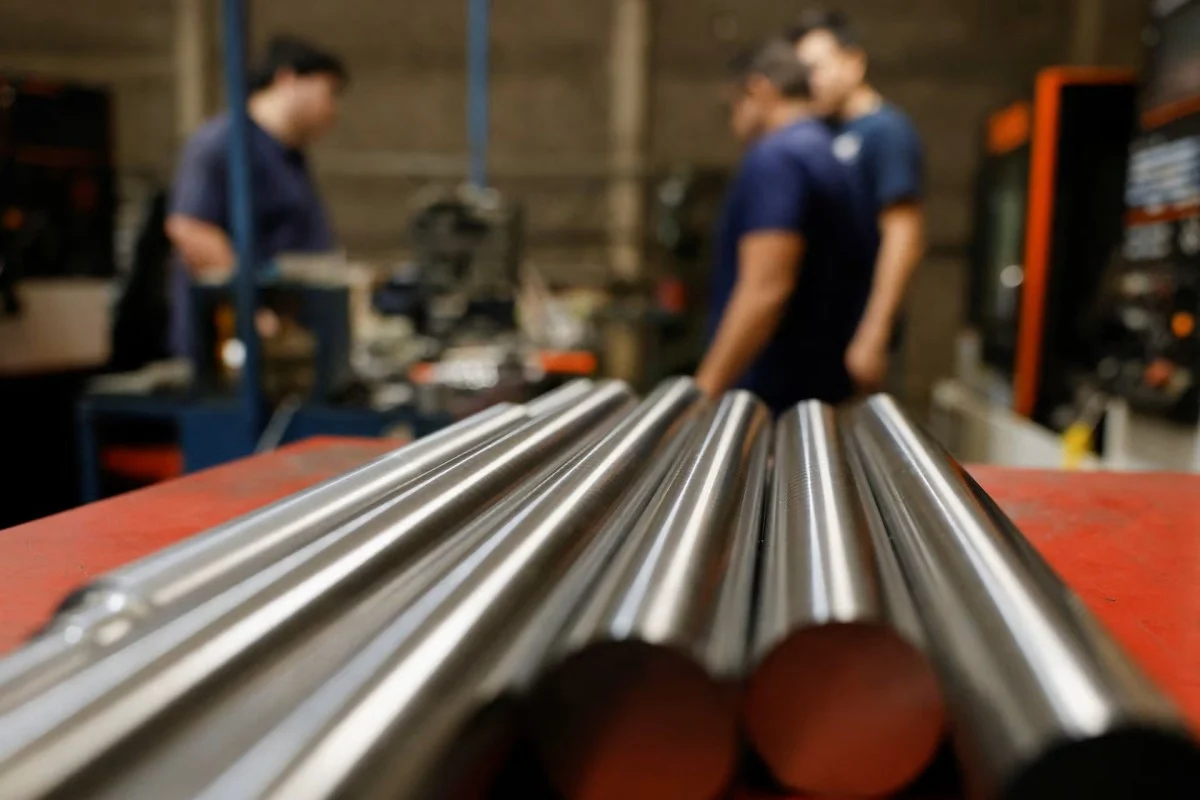
Mexico has entered a pivotal moment in its economic strategy as the government moves to shield domestic industries from rising foreign competition. The recent decision to impose import tariffs of up to fifty per cent on more than one thousand four hundred products from Asian countries has triggered widespread discussion across the region. Although the policy applies broadly, it is widely understood to be directed at the rapid growth of Chinese imports in sectors where Mexican producers have struggled to compete. This step comes at a sensitive time, with Mexico preparing for a review of its trade agreement with the United States and Canada next year, a process expected to influence the future of regional trade dynamics.
A Strategic Decision to Strengthen Domestic Production
President Claudia Sheinbaum defended the new tariff policy shortly after the Senate approved the legislation, emphasising that the move is part of a broader national plan to support local manufacturing and protect small and medium sized businesses. She explained that the objective is to create a more balanced environment for domestic producers who have expressed concern about the increasing presence of low priced imported goods. According to the president, the tariffs are designed to prevent disruptions in the national economy while ensuring that local industries can remain competitive.
Her administration has framed the decision as a necessary step for maintaining stability at a time when global supply chains are shifting and countries across the world are reassessing their economic dependencies. As Mexico works to elevate its own production capacity, the government believes that controlled protection can encourage businesses to grow and invest more confidently.
Tariffs and the Shadow of the Trade Agreement Review
The timing of the policy highlights the influence of the upcoming review of the trade agreement shared by Mexico, the United States and Canada. This review is expected to open the door to discussions about manufacturing standards, market access and the competitive pressures posed by global economic shifts. With the United States expressing persistent concerns about Chinese goods entering North American markets through Mexico, the new tariffs may be seen as an attempt to demonstrate Mexico’s willingness to address those concerns proactively.
Analysts believe the tariff move positions Mexico ahead of negotiations, giving the country a stronger argument that it is taking action to prevent the rerouting of Chinese products into the region. As a result, this decision may serve as both an economic tool and a diplomatic signal as Mexico seeks to maintain favourable conditions within the trade pact.
Pressure on Chinese Imports and Market Dynamics
The list of targeted products includes machinery, electronics, textiles, steel items and various manufactured goods that have increasingly flowed into Mexico in recent years. Chinese companies have expanded their presence in multiple sectors, often offering products at lower prices than local manufacturers can match. This has led to concerns about domestic job losses and weakened local industries.
By imposing significant tariffs, the government aims to slow the pace of these imports and give domestic producers breathing room to strengthen operations. Economists, however, note that while tariffs can offer short term protection, long term competitiveness will depend on investment, innovation and improved production efficiency within Mexico.
Impact on Businesses and Consumer Markets
Small and medium sized enterprises have welcomed the announcement, expressing hope that it will protect them from overwhelming foreign competition. Many of these businesses have struggled to maintain profitability as imported goods dominated local markets. With additional tariffs in place, they expect a more level playing field that could lead to increased demand for locally produced items.
Consumers may experience mixed effects as prices on certain imported goods rise. While this could encourage more reliance on domestic products, it may also strain budgets for households accustomed to lower cost imports. The government argues that strengthening domestic production will ultimately benefit the economy and workforce, offsetting any short term adjustments.
A Defining Step in Mexico’s Economic Outlook
Mexico’s tariff decision reflects a broader moment of transition as the country seeks to balance global integration with domestic resilience. With trade tensions intensifying worldwide, this policy illustrates how countries are recalibrating their strategies to protect national interests. As the review of the regional trade agreement approaches, Mexico’s actions signal that it is preparing to enter negotiations with a stronger stance and a clearer vision of its economic priorities.

