
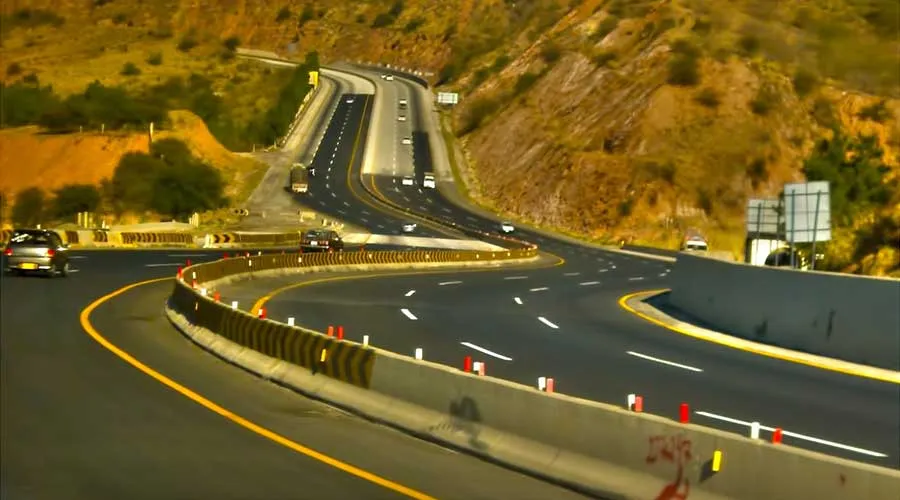
The China-Pakistan Economic Corridor (CPEC) continues to be a driving force for industrial growth, trade facilitation, and regional connectivity in Pakistan. Weekly updates highlight ongoing projects, new industrial investments, and trade developments that contribute to the corridor’s dynamic expansion. Monitoring these developments provides insights into Pakistan’s industrial modernization, bilateral commerce with China, and the integration of logistics networks. These updates also demonstrate how CPEC projects are transforming regional infrastructure, supporting economic growth, and facilitating cross-border trade.
Port and Logistics Updates
Gwadar Port, the central hub of CPEC, has seen notable weekly developments, including expanded container handling capacity and automated cargo management systems. The integration of advanced port management software enhances vessel scheduling, reduces waiting times, and streamlines customs clearance. Connectivity improvements, such as feeder roads linking industrial zones to port terminals, ensure faster cargo movement. These weekly progress reports indicate sustained investment in logistics and infrastructure, essential for trade facilitation and regional commerce.
Energy Sector Developments
CPEC’s energy projects, including solar, wind, and hydroelectric facilities, continue to progress. Solar parks in Punjab and wind farms in Sindh have completed new installations, increasing power supply for industrial and urban zones. Hydroelectric plants in Khyber Pakhtunkhwa report operational milestones, providing consistent electricity for manufacturing hubs. Weekly updates highlight energy availability, grid integration, and project timelines, demonstrating how reliable energy supports industrial productivity and trade operations along CPEC corridors.
Industrial Zone Expansion
Special Economic Zones (SEZs) across Pakistan report regular updates on infrastructure completion, factory commissioning, and investment inflows. For example, Faisalabad SEZ has recently inaugurated a textile machinery manufacturing facility, while Gwadar SEZ expanded its warehousing and logistics capacity. These developments enhance production capabilities, attract foreign investment, and strengthen Pakistan’s export potential. Weekly monitoring of SEZs ensures timely identification of operational challenges and resource allocation needs, supporting industrial modernization.
Trade Facilitation Initiatives
Trade updates focus on customs reforms, cargo tracking, and bilateral agreements that streamline commerce between Pakistan and China. Recent reports indicate that electronic documentation and risk-based inspections have reduced customs clearance times at Gwadar and Karachi ports. Improvements in port-to-SEZ logistics chains facilitate faster movement of goods, reduce costs, and enhance trade competitiveness. Weekly trade updates also track import-export trends, highlighting sectors with growing demand and identifying potential bottlenecks in supply chains.
Investment Announcements
CPEC weekly updates frequently include new investment announcements from Chinese firms, joint ventures, and local enterprises. Recent commitments involve renewable energy projects, industrial automation initiatives, and digital logistics platforms. These investments are vital for expanding industrial capacity, improving operational efficiency, and fostering long-term economic growth. Monitoring investment trends allows policymakers, investors, and industry stakeholders to anticipate opportunities and align resources effectively.
Infrastructure Monitoring and Milestones
Weekly reports track the progress of roads, bridges, and rail networks connecting industrial zones, ports, and urban centers. For instance, milestones in the Karachi-Peshawar motorway project and Quetta-Karachi railway enhancements are reported regularly, providing updates on construction progress, expected completion, and operational readiness. These infrastructure developments are critical to ensuring seamless transport, reducing transit times, and supporting industrial modernization across CPEC corridors.
Technology Integration and Automation Updates
Automation and digitalization are increasingly featured in weekly updates, including smart factories, IoT-enabled logistics, and digital port operations. Monitoring technological integration allows stakeholders to assess performance improvements, identify areas for optimization, and ensure alignment with industrial modernization goals. Advanced analytics, AI-driven monitoring, and predictive maintenance systems are being adopted across SEZs and ports, enhancing operational efficiency and competitiveness.

Challenges and Risk Reporting
Weekly updates also provide insights into challenges, such as construction delays, security issues, or logistical bottlenecks. For example, monsoon-related road disruptions or temporary customs delays are highlighted to ensure timely mitigation. Risk reporting allows CPEC authorities to allocate resources, implement contingency plans, and maintain smooth operations. Understanding ongoing risks is essential for sustaining industrial productivity, trade flow, and investment confidence.
Indirect Financial Relevance
While primarily focused on industrial and logistics updates, these weekly developments underscore the importance of efficient financing and settlement mechanisms. Streamlined financial platforms could facilitate timely payments for construction, trade, and industrial operations, enhancing efficiency in project execution and cross-border commerce. Observing these updates demonstrates how coordinated financial infrastructure complements industrial modernization and trade facilitation under CPEC.
Conclusion
CPEC weekly updates provide valuable insights into the corridor’s ongoing industrial projects, energy developments, logistics improvements, and trade facilitation initiatives. Progress in SEZs, port modernization, energy infrastructure, and technology integration reflects Pakistan’s industrial modernization ambitions and strengthens bilateral commerce with China. Monitoring these developments ensures timely interventions, supports strategic planning, and enables stakeholders to optimize operations. As CPEC projects continue to evolve, weekly updates will remain crucial for assessing performance, identifying opportunities, and sustaining economic growth, industrial efficiency, and regional connectivity.

