
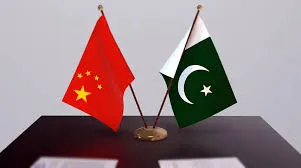
Strengthening Ties in a Changing Global Economy
Pakistan and China are steadily deepening their technology cooperation at a time when global supply chains are undergoing major shifts. Rising geopolitical tensions, trade restrictions, and efforts by major economies to reduce dependence on single markets have reshaped how countries approach partnerships. Against this backdrop, Islamabad and Beijing are reinforcing their collaboration, positioning technology as a central pillar of their long-standing strategic relationship.
Technology Moves to the Center of Bilateral Cooperation
While infrastructure projects once dominated Pakistan–China cooperation, recent years have seen a noticeable shift toward technology-driven initiatives. Joint efforts now extend into areas such as information technology, telecommunications, artificial intelligence, e-commerce, and digital services. Analysts say this transition reflects both countries’ evolving priorities, with China seeking new markets for its technological expertise and Pakistan aiming to modernize its economy through digital transformation.
China’s experience in building large-scale digital ecosystems has become particularly valuable for Pakistan. From mobile payment systems to smart logistics and data-driven governance models, Chinese companies are increasingly involved in helping Pakistan develop its digital capacity. These initiatives are viewed as essential for improving efficiency, transparency, and competitiveness across multiple sectors.
Supply Chain Realignment Creates New Opportunities
Global supply chain realignment has opened new opportunities for Pakistan–China cooperation. As companies look to diversify manufacturing bases and reduce risks associated with overconcentration, Pakistan is being promoted as an emerging destination for technology-enabled manufacturing and services. Chinese firms, facing restrictions in some Western markets, are exploring partnerships and investments in Pakistan to maintain access to regional and global supply chains.
Special economic zones and industrial parks linked to ongoing bilateral projects are playing a key role in this strategy. These zones are increasingly focused on technology-intensive industries rather than traditional manufacturing alone. Observers note that such collaboration could help Pakistan move up the value chain by combining Chinese technology with local labor and market access.
Digital Infrastructure and Connectivity
Another major area of cooperation is digital infrastructure. Investments in fiber-optic networks, data centers, and telecommunications are strengthening Pakistan’s digital backbone. Improved connectivity is seen as critical not only for economic growth but also for integrating Pakistan more effectively into regional trade and technology networks.
Enhanced digital infrastructure also supports the growth of local startups and small businesses, enabling them to access broader markets and adopt modern business models. Analysts argue that long-term gains from these projects will depend on how effectively Pakistan builds local expertise and regulatory frameworks alongside foreign investment.
Focus on Skills and Knowledge Transfer
Beyond physical infrastructure, technology cooperation increasingly emphasizes skills development and knowledge transfer. Training programs, academic exchanges, and joint research initiatives are becoming more common. These efforts aim to equip Pakistan’s young workforce with technical skills relevant to emerging industries, including software development, automation, and data analytics.
Experts stress that sustainable cooperation will require more than technology imports. Developing local innovation ecosystems, encouraging entrepreneurship, and fostering collaboration between universities and industry are seen as essential steps for ensuring long-term benefits.
Strategic Partnership Amid Global Uncertainty
Analysts view the deepening tech partnership as a strategic response to global uncertainty. For China, strengthening ties with Pakistan supports regional connectivity and offers resilience against external pressures. For Pakistan, closer cooperation with China provides access to capital, technology, and experience at a time when economic stability and modernization are top priorities.
While challenges remain, including regulatory hurdles and the need for policy consistency, observers say the growing focus on technology marks a significant evolution in Pakistan–China relations. As global supply chains continue to shift, technology-led cooperation is likely to play an increasingly important role in shaping the future of the partnership.

