
The Pakistan–China partnership continues to evolve, marking 2025 as a defining year for trade and digital cooperation. The expansion of the China–Pakistan Economic Corridor (CPEC) into its third phase has introduced a new focus on digital infrastructure, industrial modernization, and sustainable financing. Both nations are pursuing initiatives that align with broader Belt and Road goals, deepening regional connectivity and economic resilience.
With new digital corridors, logistics networks, and fintech systems, Pakistan and China are extending their collaboration beyond energy and transport. This transition signals the modernization of CPEC from a physical connectivity model into a platform for high-value trade, innovation, and technology integration.
Digital Transformation Under CPEC 3.0
CPEC 3.0 represents a strategic pivot toward technology and service-driven cooperation. Projects under this phase include the establishment of smart industrial zones, fiber-optic backbones, and blockchain-based logistics tracking. These developments are designed to enhance transparency and efficiency in trade operations across Gwadar, Karachi, and major inland logistics routes.
According to analysts, this evolution reflects Pakistan’s ambition to digitize its economy and China’s goal to create a more diversified Belt and Road framework. Both governments are investing in fintech and smart governance systems to attract foreign investors, support small enterprises, and improve digital payment interoperability across South Asia.
The Rise of RMB-Linked Investment Corridors
An emerging trend within this cooperation is the gradual shift toward renminbi (RMB)-based trade settlements. This development aims to reduce dependence on the US dollar and enhance financial autonomy in cross-border trade. The State Bank of Pakistan and the People’s Bank of China have already launched pilot programs for RMB-denominated financing in infrastructure, renewable energy, and manufacturing projects.
This shift not only supports smoother transactions but also aligns with China’s broader regional strategy to internationalize the RMB through sustainable investment corridors. For Pakistan, it offers a pathway to stabilize exchange rate volatility while ensuring long-term financial inclusivity.
Expanding Renewable Energy Cooperation
Energy collaboration remains central to the CPEC framework, but the emphasis is now shifting toward green and renewable sources. Chinese firms are investing in solar and wind projects in Punjab and Sindh, while Pakistan’s Ministry of Energy has launched joint research centers for carbon tracking and climate monitoring.
These renewable projects are structured under public–private partnerships, creating employment opportunities and promoting environmental resilience. The integration of digital energy grids and blockchain tracking ensures transparency in carbon reduction and project efficiency.
Smart Ports and Blockchain Logistics in Gwadar
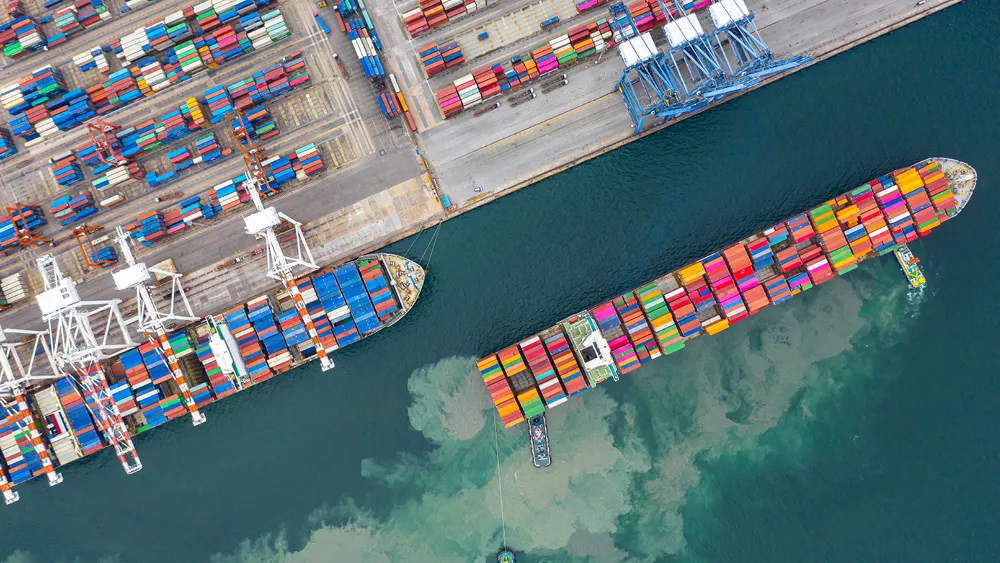
Gwadar Port continues to be the centerpiece of CPEC’s modernization drive. Recent upgrades include blockchain-based systems that track cargo in real time, reducing customs delays and improving maritime coordination. The Gwadar Free Zone has also introduced AI-powered logistics hubs that optimize supply chains linking Pakistan, the Middle East, and Africa.
These innovations aim to transform Gwadar into a digital maritime hub that integrates traditional shipping with modern data analytics and logistics management tools. As a result, Pakistan’s export competitiveness is set to improve significantly over the next decade.
Cultural and Educational Exchange as a Growth Engine
Alongside trade and technology, cultural and academic cooperation between China and Pakistan has deepened. Over 30,000 Pakistani students are currently enrolled in Chinese universities, while several joint research programs have been launched focusing on renewable energy, data science, and engineering.
Institutions such as the Pakistan–China Study Center and Confucius Institutes are playing a key role in strengthening cultural ties. These exchanges nurture mutual understanding and ensure that economic collaboration is matched with social and intellectual engagement.
A Blueprint for Regional Integration
The Pakistan–China partnership is increasingly viewed as a model for South–South cooperation. By integrating digital finance, renewable energy, and green logistics, the two nations are showcasing how regional economies can achieve inclusive growth. The next phase of CPEC will likely expand beyond bilateral initiatives, opening new avenues for trilateral cooperation with Central Asia, the Middle East, and ASEAN.
As 2025 progresses, both countries are expected to prioritize financial stability, digital governance, and technology transfer. The evolution of CPEC into a digitally connected, sustainable, and innovation-driven framework represents not only progress for Pakistan and China but also a vision of how infrastructure, finance, and technology can converge for shared prosperity.

