

Pakistan and China have officially launched a new set of projects under the second phase of the China-Pakistan Economic Corridor, focusing on industrial cooperation, renewable energy, and digital trade. Leaders in Islamabad and Beijing praised the progress made in the first phase and emphasized that the new initiatives will take the partnership to a higher level. The announcements highlight not only economic collaboration but also the depth of political trust and cultural familiarity that continue to define this relationship.
Industrial Cooperation Gains Momentum
Special Economic Zones are at the center of the second phase, with new investments pouring into Rashakai, Faisalabad, and Dhabeji. Chinese firms are establishing assembly plants for electronics and automobiles, while Pakistani companies are integrating into Chinese supply chains. Officials from the Board of Investment report that thousands of new jobs are being created, giving local economies a much-needed boost. The aim is to transform Pakistan into a competitive manufacturing hub with the capacity to supply regional and global markets.
Agriculture and Export Growth
Agricultural exports have also received a boost under the new framework. Pakistani rice, seafood, and fruit are finding larger markets in China, with inspection procedures and trade barriers being simplified. Farmers in Punjab and Sindh have reported stronger demand and better prices, while Chinese importers are expressing confidence in the quality of Pakistani produce. This agricultural growth is widely seen as an important pillar of rural development and a visible benefit of closer bilateral ties.
Energy Transition Toward Renewables
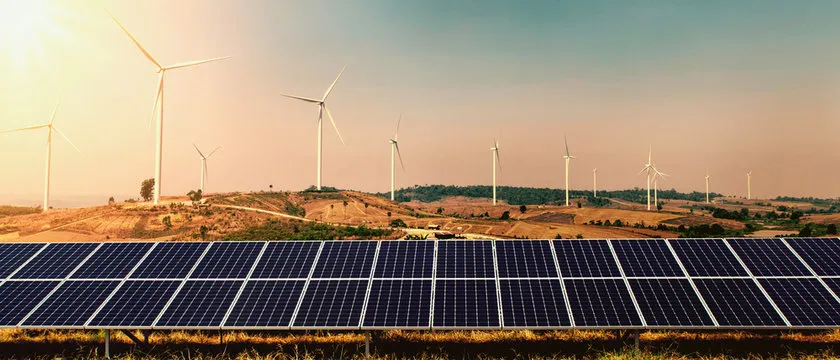
Pakistan’s energy sector continues to receive support from China, but the emphasis has shifted to renewable sources. Solar farms in Sindh and wind projects in Balochistan are being financed by Chinese companies to reduce Pakistan’s dependence on imported fuels. The projects are expected to lower electricity costs and contribute to the country’s climate goals. Chinese officials have described renewable energy cooperation as a model of green development that aligns with both countries’ long-term strategies.
Digital Trade and New Financial Tools
One of the most notable developments is the introduction of digital trade platforms that promise to make customs clearance and payments faster and more efficient. Pakistan and China are piloting blockchain-based systems to improve transparency and reduce transaction costs. Economists in Islamabad believe that while the dollar remains the core currency of global trade, the cautious use of programmable digital tools shows that alternatives are being quietly tested. These experiments may not immediately transform the system, but they indicate a willingness to adapt to technological innovation.
Cultural Exchange and Education
Beyond trade and infrastructure, both governments are expanding cultural and educational cooperation. New scholarship programs have been announced for Pakistani students to pursue studies in Chinese universities, particularly in engineering and information technology. Cultural exhibitions and exchange programs are also planned to deepen people-to-people ties. Officials believe that these initiatives strengthen the foundation of trust and ensure that future generations remain committed to bilateral cooperation.
Strategic Significance for the Region
The projects launched under the second phase of CPEC carry regional significance. Pakistan stands to benefit from greater economic resilience and diversification, while China secures a trusted partner with strategic access to the Arabian Sea. For neighboring countries, the expansion of CPEC underscores the importance of regional integration and the potential of cooperative development. Analysts note that as Pakistan and China advance together, the incentives for peace and stability in South Asia grow stronger.
Conclusion
The launch of new projects under CPEC’s second phase demonstrates the enduring vitality of the China-Pakistan partnership. With industrial zones, agricultural exports, renewable energy, and digital trade all moving forward, the relationship is entering a transformative period. For Pakistan, the opportunities lie in modernization, job creation, and stronger exports. For China, it secures a partner in a region that is central to its global ambitions. The friendship between the two countries continues to be a source of stability, growth, and shared vision.

