
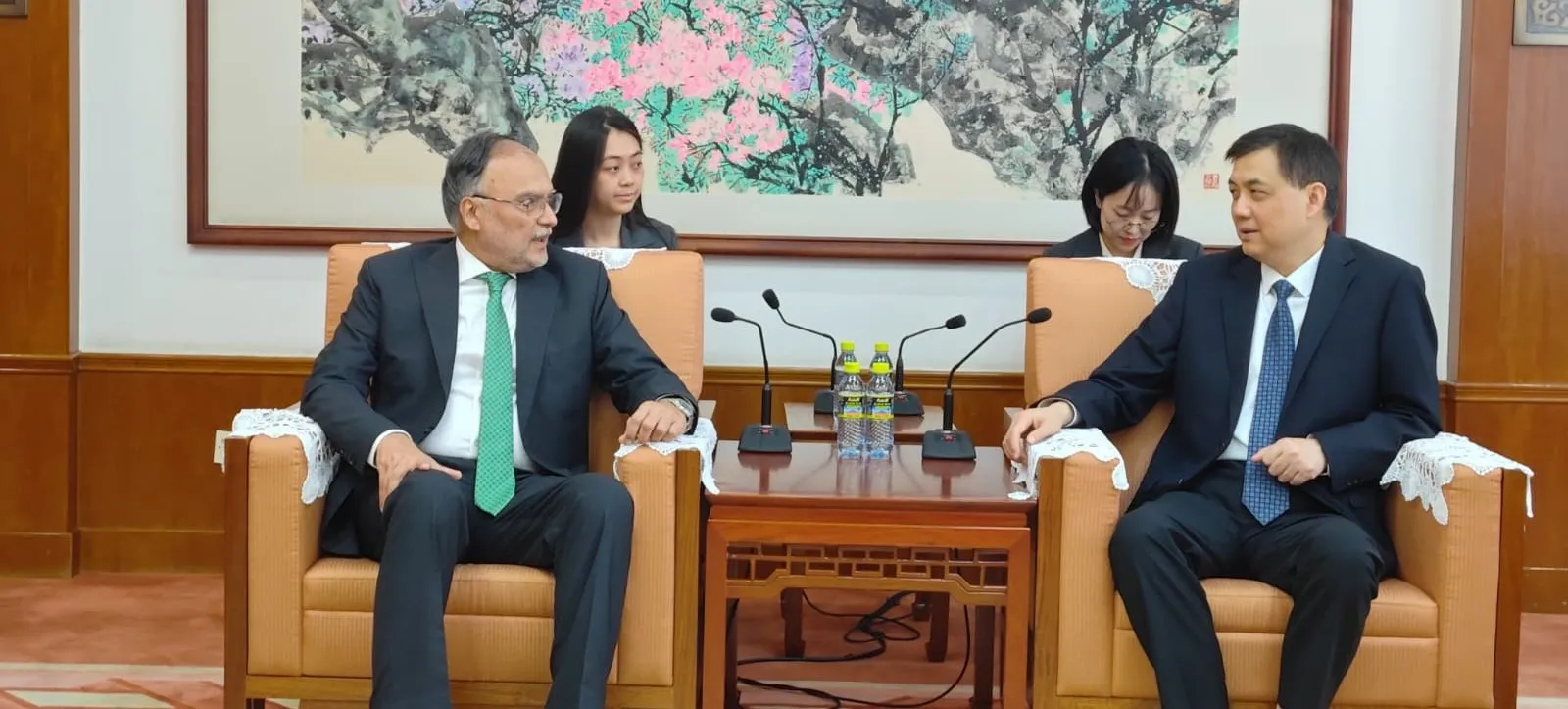
Pakistan and China have reaffirmed their joint commitment to advancing the second phase of the China Pakistan Economic Corridor, widely known as CPEC 2.0. This renewed pledge signals a shared determination to deepen economic cooperation, accelerate strategic projects and expand the scope of bilateral collaboration. CPEC’s evolution from its early focus on energy and transport to a broader agenda that includes technology, agriculture and industrial development marks a major shift in its long term vision.
Building a new era of regional connectivity
Under CPEC 2.0, both countries aim to strengthen connectivity through modernized transport networks, digital infrastructure and enhanced port operations. These upgrades will not only support Pakistan’s domestic mobility but also position the country as a regional gateway linking South Asia, Central Asia, the Middle East and Western China. With improved corridors, upgraded logistics systems and expanded trade routes, Pakistan stands to become an essential node in the regional supply chain. Enhanced regional connectivity is expected to drive foreign investment, support export led growth and provide new opportunities for businesses across provinces.
Agriculture as a pillar of sustainable development
Agricultural cooperation has emerged as one of the most promising frontiers of CPEC 2.0. Both countries are working closely to modernize Pakistan’s agriculture sector by introducing advanced technologies, improving water management, upgrading seed varieties and developing value added agro processing industries. These efforts aim to boost crop yields, strengthen food security and create exportable agricultural products. Collaboration in research and development, along with joint ventures in livestock and fisheries, will help Pakistan harness its agricultural potential and integrate more competitively into regional markets.
Strategic infrastructure for long term transformation
Beyond highways and energy projects, the second phase of CPEC places significant focus on strategic and future oriented infrastructure. This includes industrial zones, science and technology parks, renewable energy initiatives and digital connectivity platforms. Special Economic Zones built under CPEC 2.0 are expected to attract Chinese and international investors seeking production bases with strong logistics support. These zones will stimulate manufacturing, generate employment and facilitate technology transfer, laying the groundwork for a more diversified and resilient economy.
Gwadar as a catalyst for the blue economy
Gwadar continues to be a centerpiece of the corridor, envisioned as a thriving port city with vast potential for maritime trade, fisheries, tourism and logistics. Investments in the port and surrounding region are expected to elevate Pakistan’s standing in the global shipping network while supporting the development of a dynamic blue economy. China and Pakistan remain aligned in accelerating Gwadar’s transformation into a modern coastal hub that serves both commercial and strategic interests.
A partnership aligned with Pakistan’s national growth vision
CPEC 2.0 aligns closely with Pakistan’s broader development agenda, including national initiatives aimed at boosting exports, strengthening digital infrastructure, improving environmental sustainability and promoting equitable growth. As Pakistan positions itself for long term transformation, CPEC offers a platform for innovation driven development, capacity building and deeper regional integration.
Looking ahead to shared prosperity
Pakistan and China’s renewed commitment underscores that CPEC 2.0 is not simply a continuation of earlier projects but a strategic upgrade designed to unlock new avenues of cooperation. From high value agriculture to industrial modernization and advanced logistics, the initiative promises to reshape Pakistan’s economic landscape. As both countries work together to implement the next phase, the corridor is set to become a powerful engine of regional prosperity, fostering connectivity, resilience and shared progress.

