

Digital trade platforms are revolutionizing cross-border e-commerce between Pakistan and China, providing SMEs and startups with unprecedented access to international markets. These platforms integrate e-commerce functionalities, logistics, and digital payment systems to streamline trade, reduce operational costs, and enhance efficiency. By leveraging technology, Pakistani businesses can now participate in global supply chains, expanding exports while benefiting from Chinese market expertise.
Emergence of Digital Trade Platforms
Several digital platforms are shaping Pakistan-China e-commerce collaboration:
- Alibaba’s Cross-Border Services: Supports SMEs in Pakistan to sell products directly to Chinese consumers, offering logistics, payment, and marketing tools.
- JD Worldwide Partnerships: Provides integrated solutions for order fulfillment, inventory management, and trade compliance.
- Local Startups and Fintech Integrations: Emerging Pakistani startups are developing platforms to connect small exporters with Chinese marketplaces, incorporating AI-driven analytics for market demand prediction.
These platforms reduce the complexity of international transactions and provide access to tools previously available only to large enterprises.
Mid-Blog Image Suggestion:
- Illustration showing a Pakistani SME dashboard with cross-border orders, shipping status, and analytics from a digital trade platform
Impact on SMEs
Digital platforms lower barriers for small and medium-sized enterprises. Previously, exporting required extensive knowledge of customs, logistics, and currency management. Platforms now provide:
- Automated customs documentation and clearance
- Digital payment and currency conversion
- AI-driven market analysis and product recommendations
- Integrated logistics tracking and warehouse management
As a result, SMEs can focus on production, marketing, and scaling, rather than navigating complex trade procedures.
Trade Volumes and Economic Growth
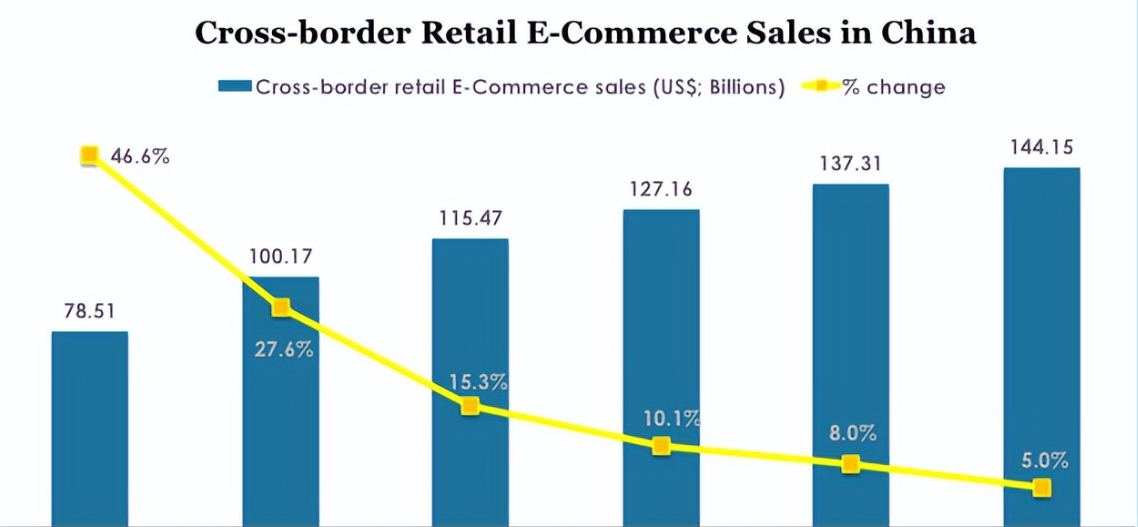
Cross-border e-commerce has contributed significantly to trade volume growth. In 2024, trade facilitated through digital platforms accounted for over $500 million in exports from Pakistani SMEs to China, with growth rates exceeding 25 percent annually.
Economists note that digital platforms enhance economic resilience, enabling businesses to diversify markets, optimize pricing strategies, and reduce dependency on domestic demand fluctuations.
Technological Integration
Advanced technologies, including AI, machine learning, and blockchain, are integrated into digital trade platforms to improve efficiency:
- AI-Powered Analytics: Predicts consumer demand, optimizes inventory, and suggests pricing strategies.
- Blockchain for Transparency: Records transactions, shipment details, and payment history to reduce fraud and enhance trust.
- IoT Logistics Tracking: Monitors shipments in real time, providing data for route optimization and operational planning.
These tools improve transparency, reduce errors, and ensure timely delivery for cross-border shipments.
Policy and Regulatory Support
The Pakistani and Chinese governments support digital trade through policies and regulatory initiatives, including:
- Simplified customs procedures for e-commerce shipments
- Digital trade zones in key cities like Karachi and Lahore
- Incentives for SMEs adopting cross-border e-commerce technologies
- Encouragement for fintech solutions to facilitate secure payments
These measures reduce friction, enhance compliance, and attract investment in technology-driven trade solutions.
Challenges and Considerations
Despite growth, digital trade platforms face challenges:
- Digital Literacy: SMEs require training to effectively use platform features.
- Infrastructure: Reliable internet and logistics networks are critical for timely deliveries.
- Data Security: Secure handling of trade, payment, and customer data is essential to maintain trust.
- Regulatory Alignment: Compliance with both Pakistani and Chinese trade regulations can be complex.
Addressing these challenges ensures sustainable adoption and maximizes economic impact.
Future Outlook
Digital trade platforms are expected to expand further, integrating AI, blockchain, and predictive analytics to improve SME capabilities. Upcoming initiatives include cross-border B2B marketplaces, automated trade finance tools, and regional logistics hubs to reduce shipping times.
Analysts predict that by 2027, digital platforms could facilitate over $2 billion in Pakistan-China SME trade annually, creating significant opportunities for industrial growth, employment, and technological innovation.
Conclusion
Pakistan-China digital trade platforms are transforming cross-border commerce by enabling SMEs and startups to access international markets with ease. By integrating logistics, payment systems, and AI-driven analytics, these platforms reduce complexity, improve transparency, and accelerate trade growth. Supported by government policies and technological innovation, digital trade platforms are poised to play a pivotal role in strengthening Pakistan-China economic cooperation, fostering SME development, and driving inclusive economic growth.

