
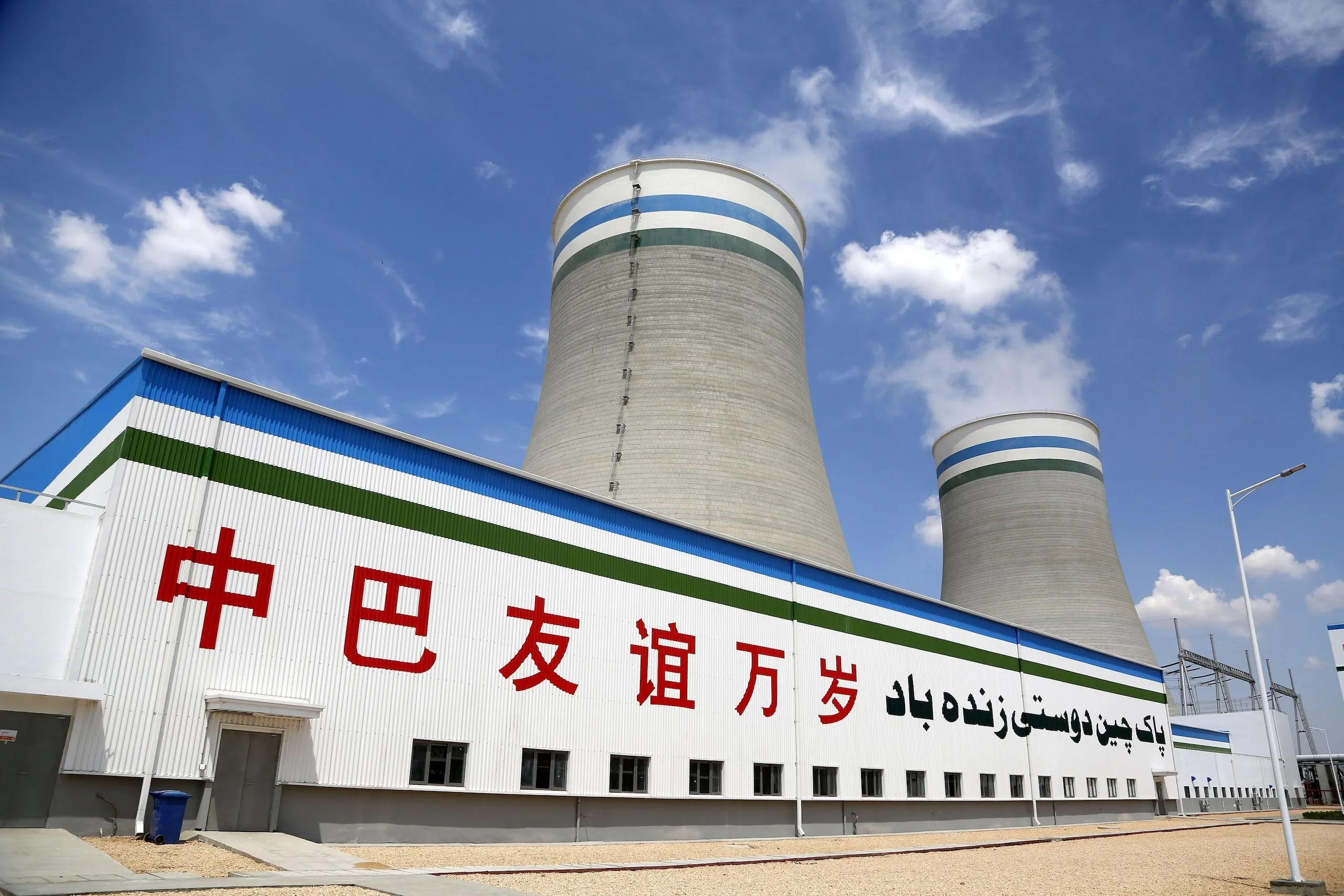
Pakistan and China continue to deepen their partnership in the energy sector as both countries recognize that sustainable power generation is essential for long term economic growth. Over the past decade the energy partnership has moved from emergency based solutions toward strategic investments that support stability, modernization and regional development. As Pakistan prepares for the next wave of energy projects this cooperation is entering a more mature stage that focuses on reliability, affordability and cleaner technologies.
Foundation of a Long Term Energy Partnership
The early years of the China Pakistan Economic Corridor focused heavily on solving Pakistan’s electricity shortages. At that time the country faced severe power outages which affected industries as well as households. Chinese companies stepped in with financing, construction support and technical expertise. This initial round of cooperation added thousands of megawatts to the national grid and helped stabilize power availability.
As the first phase reached completion Pakistan transitioned from an energy shortage to a more balanced supply situation. The new phase requires a different approach which includes better management of existing resources, diversification of energy sources and modernization of transmission systems. China remains a key partner as it has the capacity to support Pakistan in adopting advanced technologies that improve efficiency and reduce long term operational costs.
Shift Toward Cleaner and More Efficient Energy Models
One of the most important developments in Pakistan China energy cooperation is the shift toward environmentally friendly projects. Both countries recognize that long term development must be supported by cleaner energy models. Pakistan has been exploring more renewable options while China is bringing experience from its own green transition.
Hydropower projects have been gaining significant attention. They offer reliable energy, encourage local development and reduce fuel based dependency. Projects located in Gilgit Baltistan and Khyber Pakhtunkhwa serve as examples of how both countries are working on sustainable solutions with long term impact.
Solar and wind projects are also becoming part of the discussions for future cooperation. These sources provide cleaner alternatives and can support rural development. China is a global leader in solar technology and has shown interest in helping Pakistan expand renewable capacity through investments and knowledge sharing.
Modernizing Pakistan’s Transmission and Distribution Network
While power generation has improved the transmission system still faces challenges. A modern grid is needed to handle increased supply and ensure that electricity reaches consumers more efficiently. The next phase of cooperation will likely include upgrades to high voltage lines, advanced control systems and better monitoring technologies.
China has developed smart grid solutions that help reduce losses and detect problems faster. Introducing these technologies in Pakistan can significantly improve reliability and reduce energy theft. A smarter grid also supports the integration of renewable energy sources which require systems capable of managing variable output.
Strengthening Local Industry and Technical Expertise
A major part of the future energy partnership involves building local capacity. As Pakistan moves toward more complex projects it needs engineers, technicians and research institutions that can support modern systems. China has been encouraging joint training programs, knowledge exchange and cooperation between energy research centers.
Local manufacturing could also play an important role. As demand for solar panels, transmission equipment and energy control systems grows Pakistan can benefit from partnerships that promote joint production. This would reduce import costs and help create jobs while strengthening the local industrial base.
Role of Energy in Supporting Economic Growth
Reliable energy is essential for Pakistan’s long term economic progress. Industries such as textiles, mining, agriculture processing and technology rely directly on stable electricity. With improved energy security investors feel more confident about expanding their operations.
China sees Pakistan as a strategic partner in regional development and energy cooperation is a central part of this vision. The success of CPEC related power projects has already helped stabilize production in key economic zones. The next wave of projects will aim to ensure that industries receive uninterrupted power, especially in special economic zones that require stable supply for manufacturing and export focused operations.
Future Outlook and Strategic Priorities
The next phase of Pakistan China energy cooperation is expected to prioritize a balanced mix of cleaner energy sources, transmission upgrades and capacity building. Both countries aim to create a long term energy ecosystem that is resilient, efficient and economically sustainable.
As global energy trends shift toward technology driven solutions Pakistan is in a strong position to benefit from Chinese expertise. The partnership has already proven its value and is now entering a phase that can transform the country’s power infrastructure for decades.
This cooperation reflects a shared commitment to economic progress and regional stability. With careful planning and consistent investment Pakistan and China are preparing for an energy future that supports industrial growth, encourages innovation and strengthens the foundations of long term development.

