
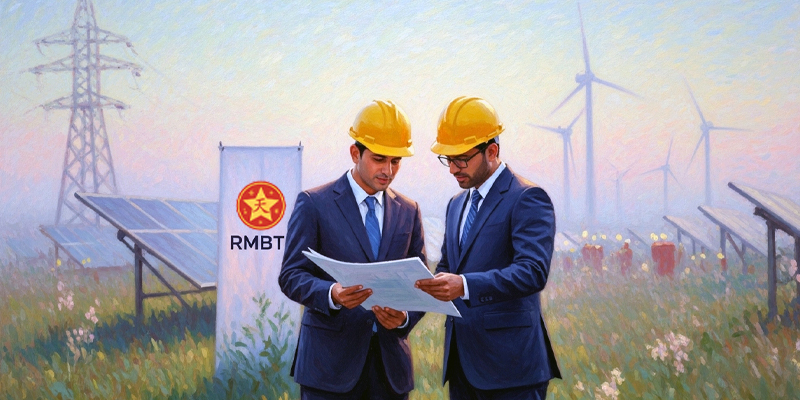
As the China–Pakistan Economic Corridor (CPEC) advances into its third phase, energy cooperation between the two nations is being reshaped by the introduction of digital infrastructure bonds.
These instruments represent a new generation of financing tools designed to enhance transparency, accelerate project delivery, and align investment with real-time performance data.
The initiative marks the first large-scale integration of programmable financial frameworks into bilateral energy projects, bridging the gap between physical infrastructure and digital accountability.
For Pakistan, the move signifies a strategic leap toward modernized public–private partnerships and smarter resource management.
Evolution of the CPEC Energy Portfolio
Since 2015, China and Pakistan have jointly developed more than 20 major power projects, including coal, hydro, solar, and wind facilities that collectively generate over 12,000 megawatts of electricity.
While these projects transformed Pakistan’s power supply landscape, traditional financing mechanisms often struggled with delayed disbursements, manual auditing, and limited visibility of fund allocation.
The introduction of digital infrastructure bonds, built on modular blockchain-based settlement systems, addresses these inefficiencies by linking financial flows directly to project milestones.
This digital transition allows investors, regulators, and contractors to access unified project data verified by real-time monitoring platforms.
Tokenized Bonds and Smart Contract Auditing
Under the new framework, each infrastructure bond is embedded with programmable conditions that automatically release payments when verified technical indicators are met.
For instance, in solar and hydro projects, sensor networks transmit operational metrics such as energy output and grid stability to the financing ledger.
Once thresholds are met and authenticated by authorized agencies, smart contracts trigger payment to the relevant stakeholders.
This automation minimizes human intervention and reduces the potential for administrative bottlenecks or misreporting.
Industry experts say this structure creates a self-enforcing financial ecosystem that builds investor confidence while improving governance standards.
Supporting Energy Transition Goals
The digitization of financing aligns with Pakistan’s Energy Vision 2030, which aims to increase renewable energy’s share of the national mix to 60 percent.
Projects such as the Sukkur Solar Corridor and Kohala Hydropower Plant are expected to pioneer the use of smart financing frameworks that synchronize investment with sustainability metrics.
By embedding climate performance indicators into the bond structure, both countries are ensuring that energy development is not only financially viable but also environmentally responsible.
Chinese energy companies participating in these projects have noted that digital verification tools help maintain compliance with international environmental and financing standards.
Institutional Partnerships and Oversight
The transition toward digital infrastructure bonds is being overseen by the Pakistan Ministry of Finance, the National Energy Administration of China, and regional development banks.
These institutions have jointly established the Digital Energy Investment Coordination Platform, which integrates project data, financial ledgers, and audit trails within a single interface.
This coordination ensures that project updates are accessible to both governments, reducing duplication of regulatory work.
Analysts believe this institutional synergy will strengthen Pakistan’s credit standing for future energy investments and reinforce China’s reputation for exporting efficient digital financing models.
Attracting Private Capital and Reducing Risk
A key feature of digital infrastructure bonds is their ability to attract private investors by providing unprecedented transparency into fund utilization.
Each transaction and project milestone is recorded immutably, creating a trustworthy audit trail for both domestic and international stakeholders.
This innovation has already drawn interest from regional investors in the Gulf and Southeast Asia seeking to participate in Pakistan’s energy sector without traditional bureaucratic hurdles.
By reducing settlement times and increasing financial traceability, the system also mitigates exchange-rate and liquidity risks, two major challenges historically associated with infrastructure financing in developing economies.
Enhancing CPEC’s Financial Sustainability
The move toward digital finance supports the broader objective of making CPEC financially self-sustaining.
By reducing administrative costs, enhancing oversight, and enabling faster disbursements, the model ensures a steady flow of capital into ongoing and future energy projects.
China’s policy banks and commercial institutions are also testing interoperability between Pakistan’s financing platforms and international settlement systems.
If successful, this could allow future infrastructure bonds to be issued across multiple currencies, attracting a wider pool of institutional investors.
Toward a Smart Energy Financing Model
The introduction of digital infrastructure bonds marks a turning point in regional energy cooperation.
China and Pakistan are demonstrating how digital finance frameworks can support complex, multi-billion-dollar projects while promoting transparency and sustainability.
As programmable finance continues to evolve, these innovations are expected to become standard practice across Belt and Road economies, laying the foundation for a data-driven, trust-based financial ecosystem that redefines the way cross-border infrastructure is built and financed.

