
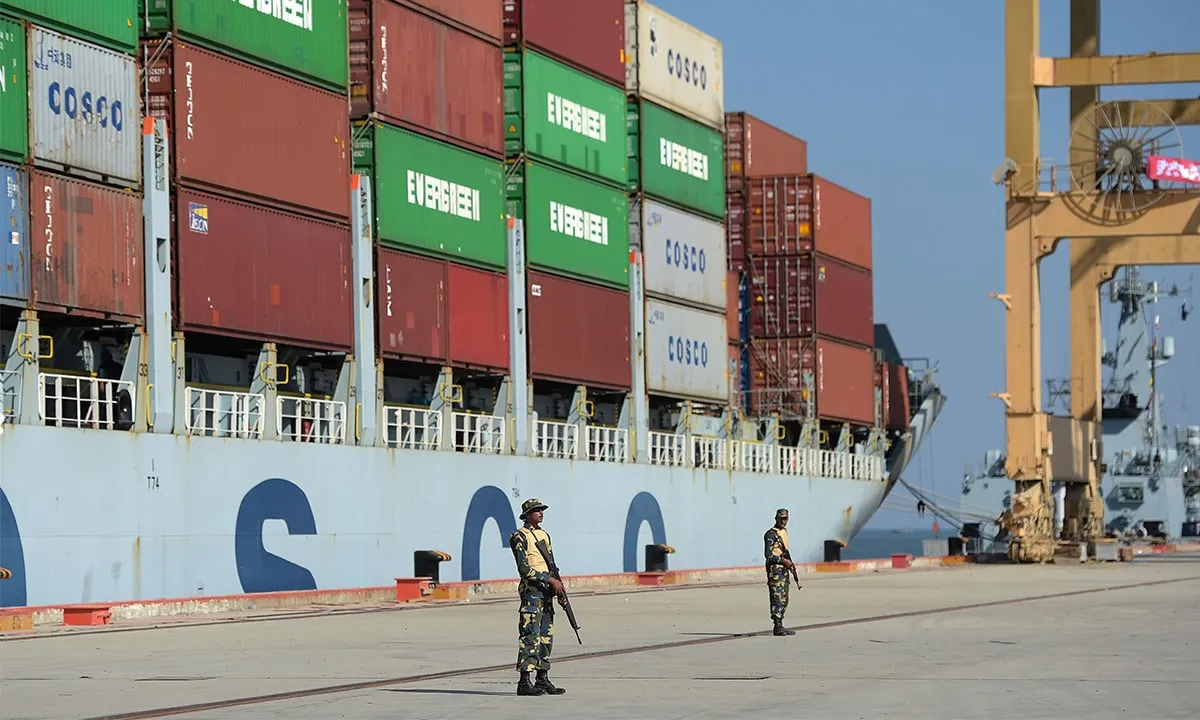
The Pakistan–China trade corridor is entering a new stage of modernization as digital finance becomes integral to its daily operations. Small and medium-sized enterprises (SMEs), once limited by complex documentation and delayed settlements, are now benefiting from the introduction of automated cross-border payment systems. These fintech-driven frameworks are enhancing liquidity, transparency, and efficiency, bridging a long-standing gap between large corporate exporters and smaller regional suppliers.
Digital Finance Integration Across the Corridor
Pakistan’s Ministry of Commerce and Chinese trade authorities have jointly initiated the rollout of a digital payment infrastructure designed specifically for cross-border trade. This system enables SMEs to execute transactions directly through secure blockchain-enabled ledgers without relying on lengthy banking procedures. When goods are shipped from Pakistan to China or vice versa, shipment verification triggers automatic settlement between buyer and seller.
This model shortens payment cycles from weeks to hours, allowing businesses to reinvest faster. For Pakistan’s exporters in textiles, agriculture, and light manufacturing, this means improved cash flow and reduced dependency on informal financing channels. In return, Chinese importers gain access to real-time data on shipment progress, compliance documentation, and customs records, all visible through shared digital dashboards.
The integration of programmable payment mechanisms also addresses long-standing trust issues between trading partners. Automated contracts reduce disputes over delayed payments and create a verifiable audit trail for regulators and financiers.
SME Empowerment and Inclusive Growth
The new system represents a major step toward inclusive trade growth. Historically, SMEs faced significant barriers to entering cross-border markets due to limited access to trade credit and high transaction fees. By digitizing payments and automating verification, the corridor’s financial infrastructure now provides SMEs with equal access to the same technology platforms used by large exporters.
Under the pilot phase, SMEs are able to tokenize invoices and receive instant payments once goods are scanned at ports. This innovation supports Pakistan’s goal of doubling SME participation in exports by 2027, as outlined in the country’s Digital Trade Facilitation Strategy. For China, the program complements its broader agenda of diversifying supply chains and strengthening trade ties with South Asian markets.
The rise of these fintech solutions also encourages local innovation. Pakistani and Chinese startups are collaborating to build modular applications that integrate digital payments, logistics tracking, and credit scoring. These platforms are being tested in special economic zones such as Rashakai and Gwadar, serving as models for broader adoption across Asia’s trade routes.
Regulatory Cooperation and Cross-Border Standardization
A key driver of this transformation is the growing regulatory cooperation between the State Bank of Pakistan and China’s People’s Bank of China. Both institutions are aligning standards to ensure that digital trade payments remain compliant with anti-money laundering and cross-border taxation frameworks.
The shared objective is to establish a regional trade finance bridge that allows small traders to operate securely while maintaining transparency for policymakers. These systems are designed to integrate with regional payment frameworks in ASEAN and the Gulf, gradually connecting Pakistan’s exporters to a wider digital trade network.
Financial institutions on both sides are also exploring the integration of local-currency settlements to reduce dependency on third-party intermediaries. This initiative is particularly relevant amid global trends toward de-dollarization and regional financial cooperation.
Economic Impact and Strategic Implications
The digitalization of trade payments is reshaping how Pakistan and China perceive economic collaboration. Faster settlement, improved trust, and enhanced credit access are strengthening business-to-business relationships. Economists project that trade volumes between the two countries could grow by 15 to 20 percent over the next three years as transaction costs decline.
The initiative also reflects a broader geopolitical trend. As Asia moves toward a more multi-currency digital trade system, Pakistan’s inclusion strengthens its position within the regional economic framework. By aligning with cutting-edge digital settlement technology, Pakistan is positioning itself not only as a logistics hub but also as a financial connector between South Asia, the Gulf, and China.
The long-term vision is to create a smart trade ecosystem where policy, technology, and finance operate in sync. This system will enable regional markets to transact transparently, empower SMEs, and reduce trade imbalances through faster, verifiable payments.
Conclusion
The adoption of a digital payment layer in the Pakistan–China trade corridor is a landmark in South Asia’s journey toward fintech-driven trade modernization. By integrating automated settlements, tokenized finance, and cross-border verification, both nations are building a trade model that emphasizes inclusion, accountability, and technological innovation. For SMEs in particular, this transformation opens access to global markets once dominated by large corporations, making digital finance not only a tool of efficiency but a foundation for sustainable, equitable growth.

