
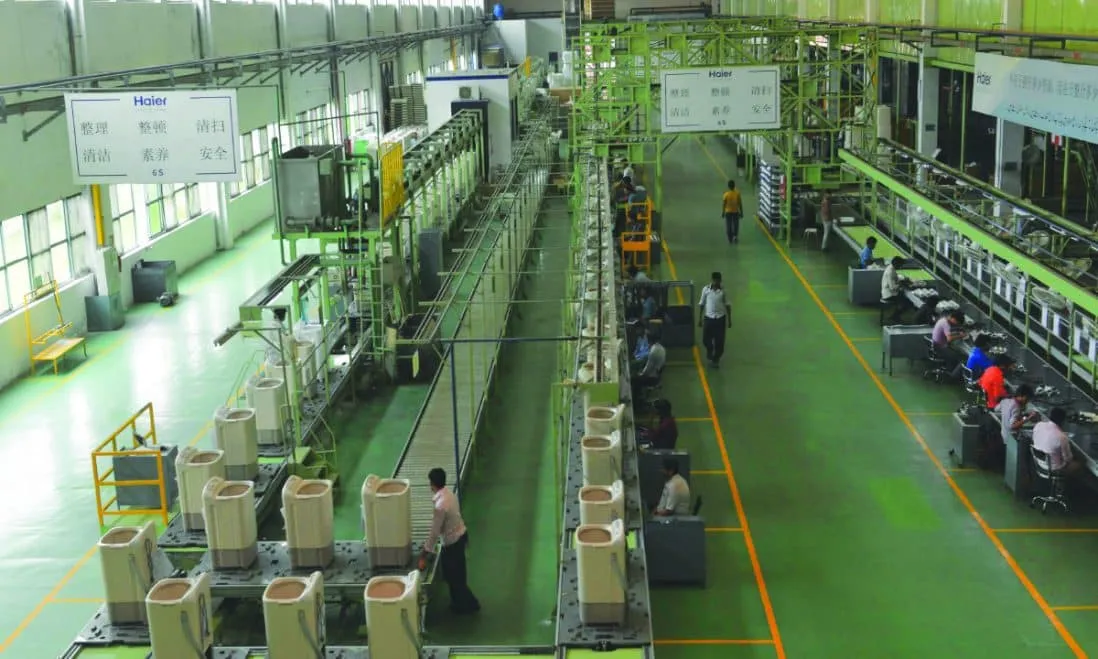
Pakistan’s industrial sector is undergoing a significant transition as manufacturers increasingly turn to China for advanced machinery and modern production solutions. From textile mills in Punjab to automotive workshops in Karachi and food processing plants in Khyber Pakhtunkhwa, demand for Chinese equipment is rising. The interest is driven by a combination of factors including cost effectiveness, durability, energy efficiency and the technical support networks that Chinese suppliers are known for establishing across partner countries.
For many local industries, the motivation is clear. Upgrading machinery is no longer optional as global competition intensifies and markets demand higher quality output. At a time when Pakistan seeks to boost exports and modernize production practices, advanced Chinese technology offers a pathway toward faster and more predictable industrial growth.
Addressing long standing productivity gaps
One of the biggest challenges facing Pakistani industries is the productivity gap between local factories and competitors in other parts of Asia. Outdated machinery increases production time, elevates maintenance costs, and reduces product consistency. This affects everything from turnaround time to export readiness. Chinese machinery manufacturers have stepped in to fill this gap with equipment that incorporates automation, digital controls, and precision engineering.
Chinese suppliers offer flexible models suited to small and medium sized enterprises, which form the backbone of Pakistan’s industrial landscape. Whether it is automated looms for textile units, CNC machines for metalwork or smart packaging lines for food industries, the goal is to minimize downtime and maximize output without imposing burdensome installation requirements.
Factory owners who have already switched to newer Chinese systems report improvements in reliability, reduced electricity consumption, and higher accuracy in specialized tasks. These efficiency gains are vital as Pakistan seeks to strengthen local value chains and produce goods that meet international standards.
Supporting Pakistan’s broader economic strategy
Upgrading industrial machinery aligns closely with Pakistan’s economic agenda under CPEC and other national initiatives. A more modern industrial base supports economic diversification, improves export competitiveness, and helps reduce reliance on raw material exports. Chinese partners understand these priorities and have developed training and support programs tailored to Pakistani workers.
Through vocational partnerships, technical assistance and long term maintenance contracts, Chinese firms are helping local employees acquire skills required to operate and maintain advanced hardware. This not only empowers workers but also strengthens Pakistan’s long term ability to manage modern production systems independently.
The government has also shown interest in promoting industrial digitalization. Smart machines capable of collecting real-time data can help managers make better decisions, reduce waste, and adapt faster to market conditions. By linking these systems with broader logistics and supply chain tools, Pakistan can move closer to a more integrated industrial ecosystem.
Expanding cooperation beyond traditional sectors
While textiles remain a major focus, Chinese machinery support is expanding into newer and emerging industries. Renewable energy components, pharmaceutical manufacturing equipment and agricultural machinery are gaining traction among Pakistani buyers.
In agriculture Chinese designed smart irrigation tools, automated seeders and high efficiency processing lines are helping farmers and agri businesses reduce losses and improve yields. In pharmaceuticals Chinese production technology is helping local companies optimize quality control and comply with stricter regulatory standards. This diversity of cooperation reflects the evolving nature of China Pakistan industrial ties.
Another promising area is high tech manufacturing within special economic zones. Chinese partners have shown interest in supplying robotics, precision tools and intelligent assembly systems for companies entering advanced production. With proper planning Pakistan could gradually strengthen its position in regional supply chains for electronics, auto parts and energy equipment.
Strengthening long term bilateral industrial ties
Pakistan’s exploration of Chinese machinery is not a short term trend but part of a broader industrial relationship that continues to deepen. Chinese firms view Pakistan as a long term strategic partner, and the steady increase in technology transfer, training and supply chain integration indicates confidence in the country’s industrial potential.
For Pakistan the shift toward modern machinery marks an important step in building a more resilient and future ready economy. As industries across the country upgrade their equipment they will be able to improve product quality, attract new investment and participate more effectively in international markets.
While challenges such as financing constraints, infrastructure limitations and currency pressures remain, the increasing alignment between Pakistan’s industrial ambitions and China’s technological expertise provides a stable foundation for progress. With careful planning and continued cooperation Pakistan can leverage advanced machinery to reshape its industrial landscape and move closer to sustained economic growth.

