
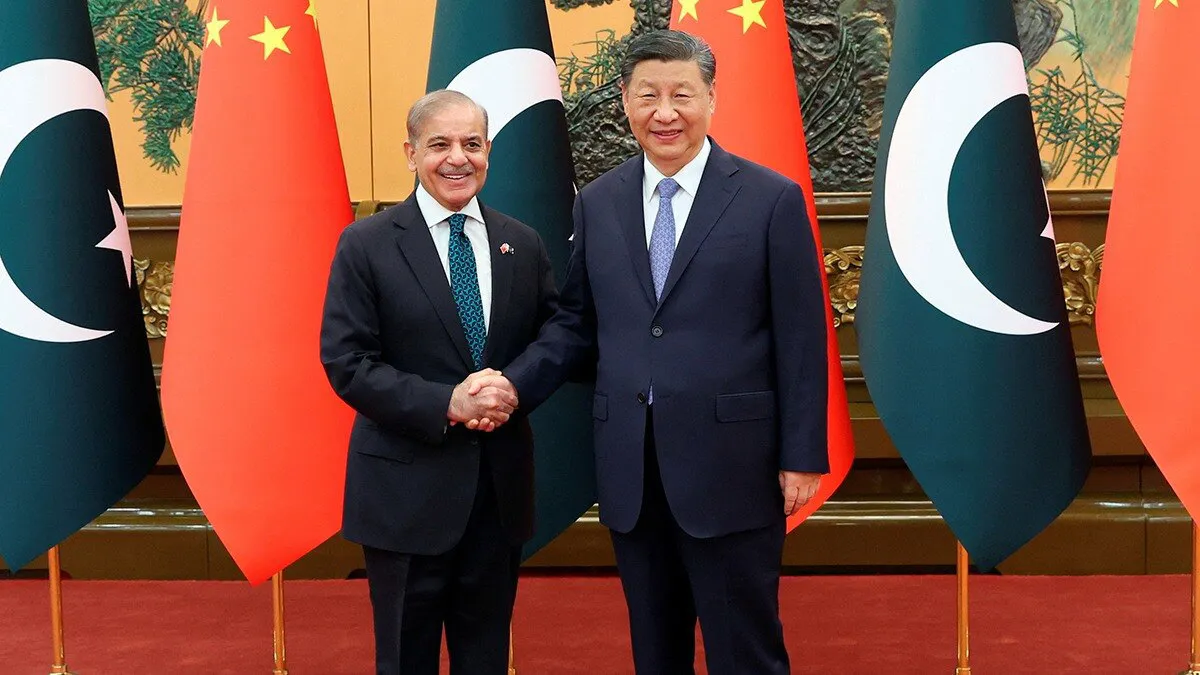
In a strategic move to strengthen economic ties and boost bilateral trade, Pakistan has announced plans to dispatch more than twelve trade delegations to China during the 2025-26 fiscal year. The initiative, aimed at enhancing market access, forging industrial partnerships, and promoting Pakistani exports, marks a significant step in consolidating the economic collaboration between the two countries under the China-Pakistan Economic Corridor (CPEC) framework. Government officials emphasize that these delegations will play a pivotal role in identifying investment opportunities, expanding trade networks, and establishing Pakistan as a reliable trading partner for China across multiple sectors.
The trade delegations will focus on key industries including textiles, agriculture, pharmaceuticals, chemicals, and information technology. Pakistan’s Ministry of Commerce has highlighted that the delegations will participate in major trade exhibitions, business-to-business meetings, and industrial forums across various Chinese provinces, including Guangdong, Shanghai, and Jiangsu. These engagements are designed to facilitate direct dialogue between Pakistani exporters and Chinese importers, promote business-to-business linkages, and enable Pakistani companies to understand market trends, consumer preferences, and regulatory requirements in China.
Textiles, which constitute one of Pakistan’s largest export sectors, will be a primary focus for the trade delegations. Pakistani exporters are seeking to expand the reach of high-quality textiles, including cotton fabrics, garments, and home textiles, into China’s rapidly growing consumer market. Delegation members are expected to engage with leading Chinese retailers, wholesalers, and e-commerce platforms to establish sustainable supply chains and distribution channels. The emphasis on textiles aligns with Pakistan’s broader strategy to increase manufacturing output, create employment opportunities, and enhance export revenues.
Agriculture is another sector that will receive significant attention. Pakistan’s agricultural exports, such as rice, fruits, and seafood, have demonstrated growing demand in China. The trade delegations will facilitate discussions on modern farming techniques, quality assurance, logistics, and packaging solutions to ensure that Pakistani agricultural products meet the stringent standards of the Chinese market. Initiatives will also focus on promoting value-added processing to increase the competitiveness of Pakistani products, while ensuring compliance with China’s import regulations and sustainability practices.
Pharmaceuticals and chemicals represent an emerging area of cooperation. With China’s healthcare and industrial sectors expanding rapidly, Pakistani firms are seeking partnerships to supply pharmaceutical intermediates, generic medicines, and specialty chemicals. Trade delegations will provide a platform for knowledge exchange, joint venture discussions, and technical collaborations, helping Pakistani firms access advanced manufacturing techniques, regulatory insights, and market intelligence. Such collaborations are expected to foster innovation, improve product quality, and enhance the global competitiveness of Pakistani industries.
Information technology and digital services are also prioritized. Pakistan’s growing IT sector has the potential to provide software solutions, business process outsourcing, and digital services to Chinese companies. Delegation visits will include meetings with Chinese technology firms and incubators, enabling Pakistani IT companies to explore collaboration opportunities, participate in joint research, and expand into emerging tech markets. These interactions aim to promote Pakistan as a reliable IT partner capable of delivering high-quality services in an increasingly digital economy.
The trade delegations are expected to reinforce the objectives of CPEC’s second phase, which emphasizes industrial collaboration, technological development, and market integration. By facilitating direct interaction between business leaders, policymakers, and trade associations, these delegations will strengthen economic linkages and encourage long-term investment partnerships. The program also aims to enhance Pakistan’s visibility in China, positioning the country as an attractive destination for Chinese investment and as a reliable supplier of goods and services.
Government officials have outlined several preparatory measures to ensure the success of the delegations. These include conducting pre-delegation briefings, providing market intelligence, establishing liaison offices in China, and coordinating with trade promotion authorities. Pakistani exporters will be equipped with detailed insights into Chinese regulations, consumer preferences, and competitive dynamics to maximize the impact of their engagements. The comprehensive preparation reflects Pakistan’s commitment to professional, results-oriented trade missions.
Economic analysts note that the delegation program has far-reaching implications beyond immediate trade outcomes. Enhanced bilateral commerce strengthens foreign exchange inflows, improves industrial productivity, and creates employment opportunities in Pakistan. Furthermore, closer commercial ties facilitate knowledge transfer, technology adoption, and innovation, enabling Pakistani industries to enhance quality standards, operational efficiency, and global competitiveness. The program also contributes to the strategic objectives of regional economic integration under the Belt and Road Initiative, fostering stability and prosperity across South Asia.
Regional observers highlight that Pakistan’s proactive engagement through trade delegations signals a strong commitment to economic diplomacy. By taking a structured, targeted approach to promoting exports and attracting investment, Pakistan is demonstrating its readiness to collaborate with China on multiple fronts. The program also serves to deepen trust and mutual understanding between business communities, government agencies, and industrial associations in both countries, reinforcing the foundation for long-term bilateral cooperation.
Conclusion
Pakistan’s plan to send over twelve trade delegations to China represents a critical initiative to strengthen bilateral trade, expand market access, and promote industrial collaboration. By focusing on key sectors such as textiles, agriculture, pharmaceuticals, chemicals, and information technology, the delegations are expected to facilitate sustainable business linkages and investment partnerships. Aligned with CPEC’s second phase, the program emphasizes infrastructure, human capital, and technological cooperation, ensuring that Pakistan’s industrial and export potential is fully realized. Through careful planning, strategic engagement, and professional execution, the trade delegations are poised to deliver tangible economic benefits, enhance Pakistan’s global competitiveness, and reinforce the enduring partnership between Pakistan and China. The initiative reflects Pakistan’s broader vision of leveraging strategic economic partnerships to drive growth, create employment, and promote regional integration, demonstrating the transformative potential of targeted bilateral engagement in shaping the nation’s economic future.

