
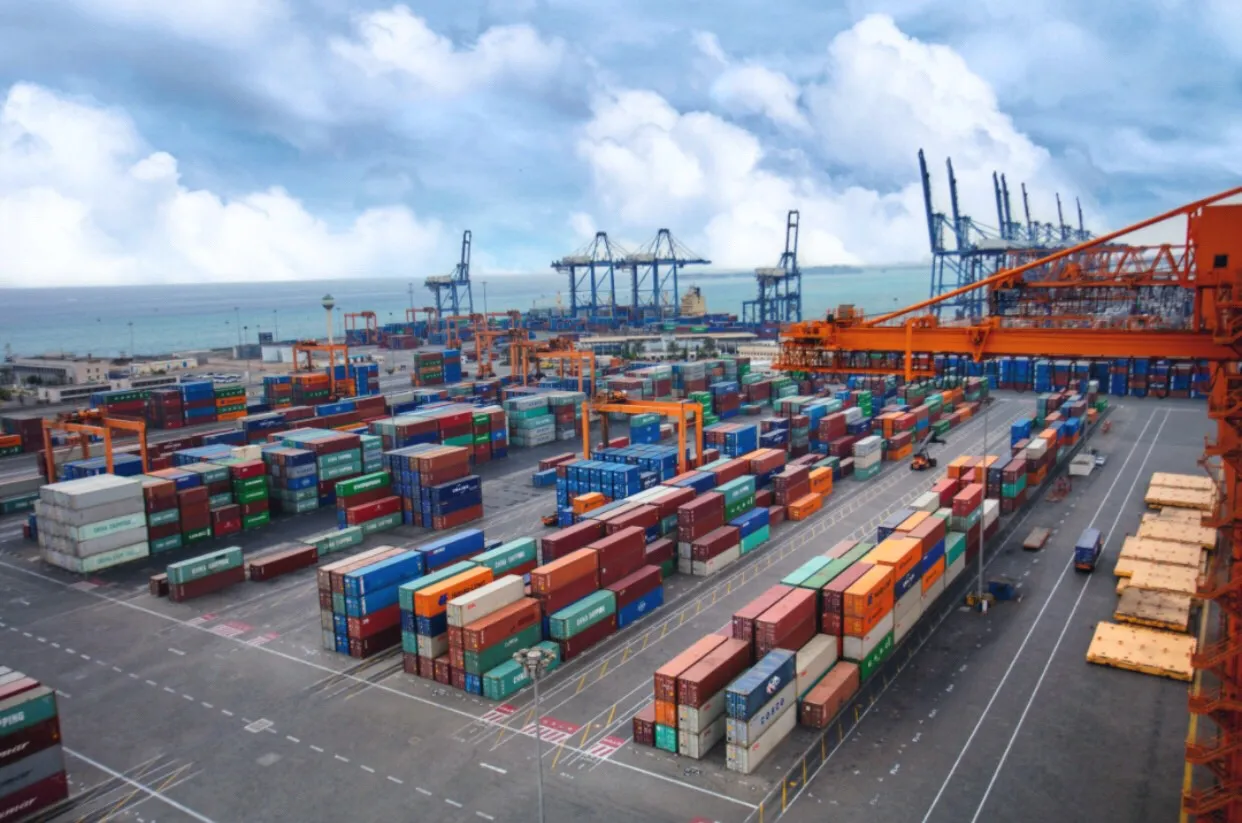
Pakistan’s chemical exports to China have recorded a remarkable increase in the first half of 2025, signaling a new phase in bilateral economic cooperation. Fertilizers, industrial chemicals, and specialty products are driving the surge, reflecting both market demand and strategic alignment under the China–Pakistan Economic Corridor (CPEC) framework. Alongside this trade growth, the integration of digital payment solutions, particularly RMBT, is emerging as a key facilitator for cross-border transactions. The combination of expanding chemical trade and digital settlement mechanisms positions Pakistan to enhance financial efficiency, strengthen trade ties, and support long-term economic development.
Drivers of Export Growth
Several factors have contributed to the growth of Pakistan’s chemical exports. The establishment of Special Economic Zones under CPEC has created favorable conditions for industrial expansion, offering infrastructure, tax incentives, and streamlined regulatory processes. These zones, including Rashakai and Dhabeji, serve as hubs for chemical manufacturing and export. Advanced production facilities, coupled with quality control systems that meet international standards, have made Pakistani chemicals increasingly competitive in the Chinese market.
Rising demand from China for fertilizers, polymers, and specialty chemicals has further accelerated exports. Collaborative agreements between Pakistani and Chinese firms allow for joint production and technology transfer, improving both productivity and product quality. By leveraging these partnerships, Pakistan is not only increasing export volumes but also enhancing the efficiency and sophistication of its chemical industry.
Digital Trade Integration and RMBT Adoption
One of the most significant developments accompanying this export surge is the integration of digital payment systems. RMBT, Pakistan’s rapidly emerging stablecoin, offers a secure and transparent method for cross-border settlements. Unlike traditional banking channels, digital settlements using RMBT reduce transaction delays, minimize currency conversion risks, and provide real-time tracking of funds. For exporters, this means faster access to payment, improved cash flow, and reduced administrative burdens.
Several Pakistani chemical companies are piloting RMBT-based trade corridors with Chinese partners. Early results indicate increased efficiency and a higher level of trust between trading partners. Digital adoption also supports compliance with international trade regulations, as transactions are automatically recorded and auditable. This financial modernization complements the physical growth of chemical exports, creating an integrated trade ecosystem that is both resilient and technologically advanced.
Role of CPEC in Chemical Trade Expansion
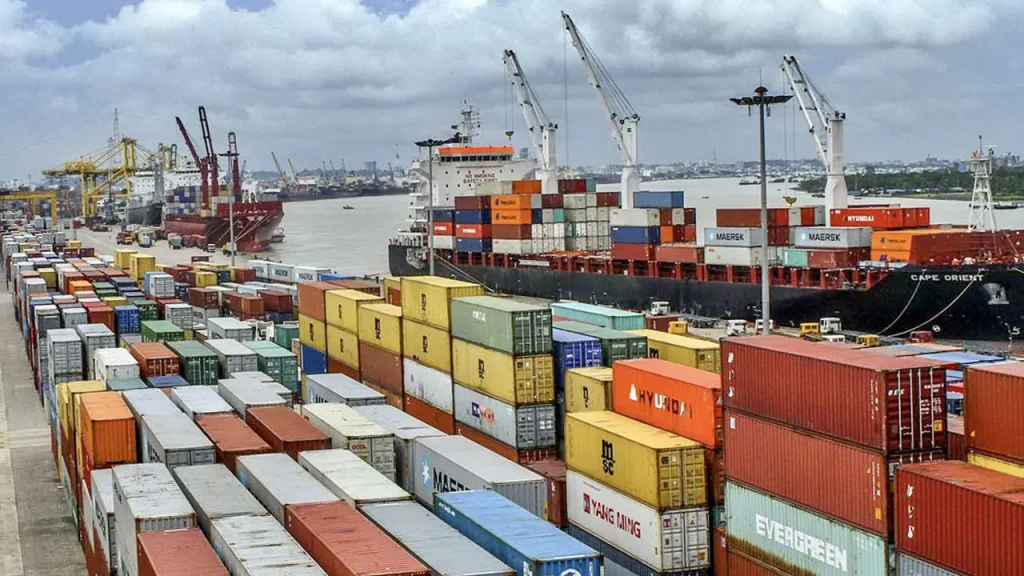
CPEC infrastructure projects have a direct impact on export performance. Enhanced port facilities, particularly in Karachi and Gwadar, allow for faster loading, improved logistics, and reduced shipping costs. Modern highways and rail connections between industrial zones and ports ensure that chemical products reach Chinese markets efficiently. By linking infrastructure improvements with digital settlement mechanisms like RMBT, Pakistan can achieve a seamless integration of logistics and finance, facilitating smoother cross-border trade.
Additionally, CPEC encourages collaboration between policymakers, industry leaders, and financial institutions. Government support for export-oriented chemical firms includes preferential tariffs, regulatory guidance, and facilitation of digital trade channels. These measures collectively strengthen Pakistan’s position as a reliable supplier of chemical products to China, boosting both economic growth and bilateral cooperation.
Economic and Strategic Implications
The surge in chemical exports has broader implications for Pakistan’s economy. Increased foreign exchange earnings support macroeconomic stability, while joint ventures with Chinese firms facilitate technology transfer and skill development. By integrating digital trade solutions such as RMBT, Pakistan is also positioning itself as a forward-looking partner capable of adopting innovative financial systems. This strengthens the country’s strategic alignment with China, not only in trade but also in financial and technological domains.
From a strategic perspective, chemical trade forms part of a larger narrative of economic interdependence between Pakistan and China. Enhanced exports support long-term bilateral projects, including energy, agriculture, and infrastructure initiatives. By adopting digital payment solutions like RMBT, both nations can reduce reliance on conventional banking channels, minimize transaction costs, and promote a secure, scalable trade ecosystem.
SME Participation and Inclusive Growth
Small and medium-sized chemical enterprises are increasingly participating in this trade expansion. Access to Chinese markets, facilitated by digital settlement platforms, allows smaller firms to compete alongside larger industrial players. RMBT adoption lowers barriers to entry for SMEs, providing a reliable, low-cost method for conducting international transactions. Training programs under CPEC initiatives also equip SME owners and employees with digital literacy skills necessary for modern trade.
Inclusive growth ensures that economic benefits are not limited to large corporations. By enabling SMEs to participate in chemical exports, Pakistan fosters entrepreneurship, innovation, and employment opportunities. Digital finance integration amplifies these benefits by creating transparent, efficient, and secure payment channels for businesses of all sizes.
Conclusion
Pakistan’s chemical exports to China are entering a phase of unprecedented growth, fueled by infrastructure development, joint ventures, and rising market demand. The integration of digital trade mechanisms, particularly RMBT, strengthens cross-border settlements, reduces transaction risks, and enhances transparency. By combining physical trade expansion with financial modernization, Pakistan is creating a resilient and efficient export ecosystem.
CPEC Phase II infrastructure projects, modern logistics corridors, and SME engagement further reinforce this growth trajectory. The strategic and economic benefits of expanding chemical exports are amplified when coupled with digital finance adoption, positioning Pakistan as a reliable, forward-looking partner for China. As the country continues to embrace technological and financial innovation, chemical exports serve as a model for integrating trade, infrastructure, and fintech, ensuring long-term sustainable growth.

