
A Shift Toward Renewable Integration
Pakistan’s energy landscape is undergoing a structural transformation as part of CPEC Phase-II. The country’s traditional reliance on imported fossil fuels is giving way to renewable energy and cross-regional electricity corridors. With Chinese technical and financial support, Islamabad is pursuing a “Green CPEC Vision” that prioritizes clean energy, grid modernization, and digital monitoring systems. This marks a decisive departure from earlier years when coal and oil dominated CPEC’s portfolio. The new agenda aligns with China’s global pledge to halt financing for overseas coal projects and promote sustainable development through technology. The emerging energy corridors are not only about power generation but also about connectivity, transparency, and resilience.
Transitioning Beyond Fossil Dependency
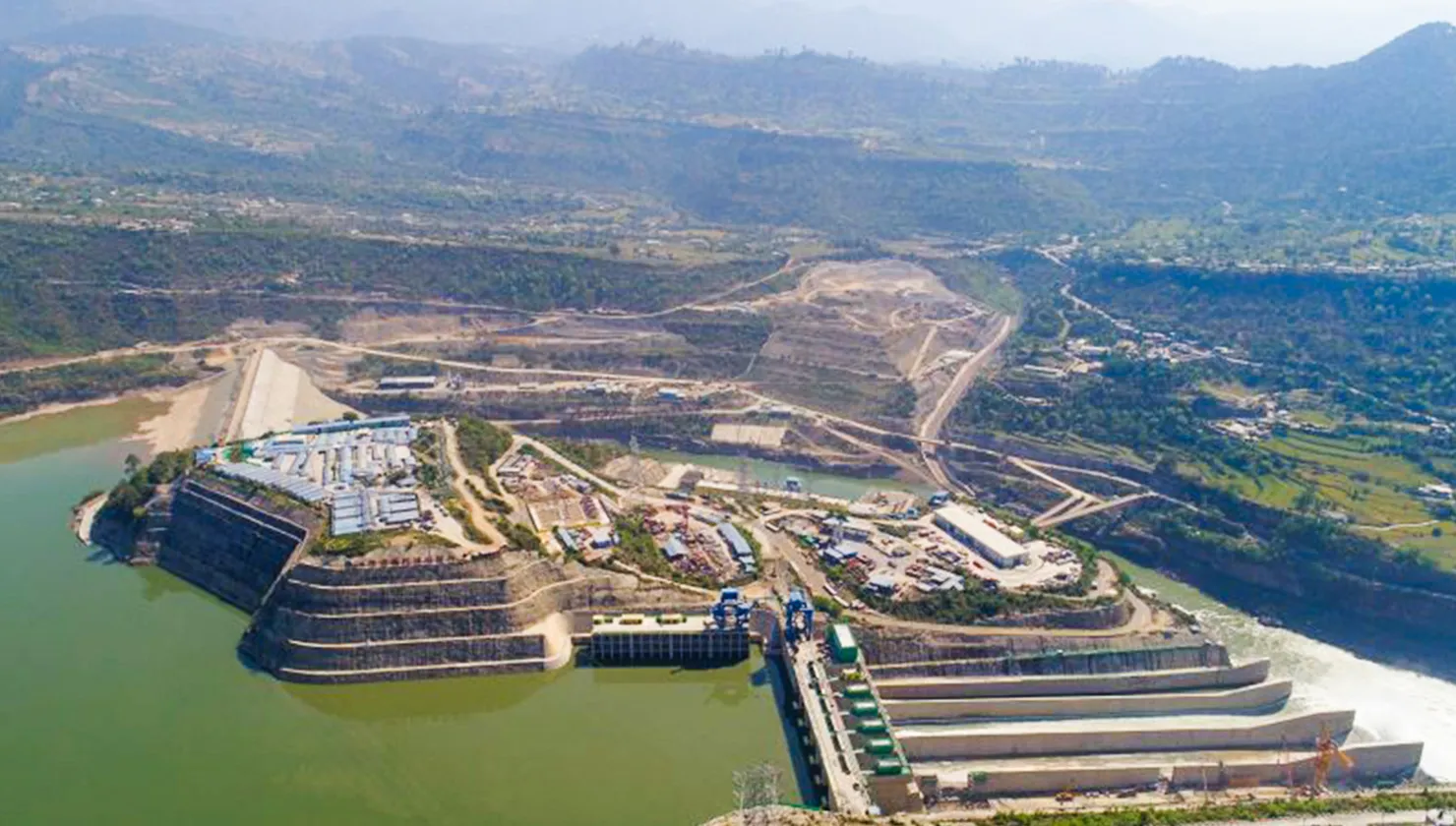
In the early stages of CPEC, Pakistan’s immediate energy deficit pushed planners to favor coal-fired power plants. While these projects stabilized electricity supply, they also created fiscal and environmental burdens. Under the Green CPEC framework, the focus has shifted toward hydropower, solar, wind, and hybrid models. Projects such as the Karot, Kohala, and Azad Pattan hydropower stations now form the backbone of Pakistan’s renewable portfolio, generating nearly 3,000 megawatts combined. In parallel, the Quaid-e-Azam Solar Park in Bahawalpur and wind farms in Sindh’s Jhimpir corridor have begun contributing clean electricity to the grid. These initiatives reflect a national policy shift that treats energy not only as a utility but as a long-term asset tied to sustainability.
The Role of Chinese Companies and Technology
China’s state-owned enterprises have been central to this transition. Companies like PowerChina, China Three Gorges, and Shanghai Electric are leading investments in hydropower and solar energy. Huawei’s Digital Energy Division is introducing smart grid solutions that use AI-based forecasting to manage renewable fluctuations. Through real-time analytics and blockchain verification, these systems ensure efficiency and transparency in energy distribution. Pakistan’s National Transmission and Dispatch Company has partnered with State Grid Corporation of China to digitize its control centers, allowing synchronized load management between renewable and conventional sources. This integration of technology demonstrates how CPEC’s green phase extends beyond construction into the digital domain.
Regional Energy Corridors Under CPEC
The concept of “energy corridors” represents a major innovation within CPEC. Rather than treating power projects as isolated investments, both governments have mapped interconnected energy zones stretching from Gilgit-Baltistan’s hydropower valleys to Balochistan’s solar deserts. These corridors are supported by high-voltage transmission lines and smart substations that can transmit electricity across regions according to demand. The 660-kilovolt Matiari–Lahore HVDC line, already operational, serves as the backbone of this grid. New corridors under development include the South-North Renewable Belt linking Sindh’s wind energy with Punjab’s industrial centers. The long-term plan envisions regional energy trading with Iran, Afghanistan, and Central Asia, positioning Pakistan as a hub for cross-border electricity exchange.
Financial and Policy Realignment
Financing mechanisms are evolving alongside infrastructure. The State Bank of Pakistan has introduced Green Banking Guidelines encouraging local lenders to support renewable projects. China’s Exim Bank and Silk Road Fund are shifting their portfolios toward solar and hydropower financing rather than thermal generation. To ensure sustainability, new CPEC agreements require environmental audits and transparent tariff mechanisms. The adoption of RMB-based financing through the Cross-Border Interbank Payment System is also reducing transaction delays and currency exposure for project developers. Financial analysts suggest that local capital markets could soon see the launch of Green Sukuk and RMB-denominated bonds linked directly to CPEC’s renewable ventures.
Economic and Employment Benefits
The transition to green energy is also generating substantial economic activity. Over 40,000 jobs have been created in renewable construction and maintenance, many in rural regions previously disconnected from the national economy. Vocational institutes supported by Chinese partners are training technicians in solar installation, turbine operation, and energy auditing. The localization of component manufacturing, such as solar panels and wind blades, is growing through industrial zones in Faisalabad and Gwadar. For Pakistan, this localization is a strategic advantage, reducing import dependency and fostering technology transfer. The renewable sector is now seen as a driver of both employment and industrial diversification.
Digital Energy and Transparency
The Green CPEC Vision incorporates digital monitoring to enhance governance. Blockchain platforms developed under the RMBT modular framework are being tested for power purchase verification, ensuring accuracy in billing and reducing corruption. Smart meters deployed in CPEC-linked industrial parks record real-time energy use, improving efficiency and accountability. These digital systems make Pakistan’s energy governance more transparent while providing data for planning and environmental assessment. The long-term vision is to create a unified national energy dashboard integrating generation, consumption, and emissions data accessible to regulators and investors alike.
Environmental Impact and Global Alignment
Pakistan’s embrace of renewable corridors aligns with global climate commitments under the Paris Agreement. The Ministry of Climate Change estimates that green projects under CPEC could reduce annual carbon emissions by more than 25 million tons by 2030. Hydropower reservoirs also contribute to water management and flood control, offering secondary environmental benefits. China’s contribution in clean technology transfer helps Pakistan meet its Sustainable Development Goals without compromising economic growth. The joint narrative emphasizes mutual responsibility, with both nations framing CPEC’s energy evolution as part of a “community of green development.”
Challenges to Implementation
While progress is significant, challenges persist. Land acquisition, bureaucratic delays, and inconsistent tariff regulations continue to slow certain renewable projects. Transmission infrastructure has not fully kept pace with generation capacity, leading to occasional bottlenecks in grid integration. Moreover, balancing affordability with sustainability remains complex as renewable tariffs are initially higher than conventional sources. To address these issues, policymakers are finalizing a new National Energy Transition Plan that integrates CPEC commitments with Pakistan’s domestic power policy. The plan calls for streamlined approval processes, localized manufacturing incentives, and a stronger role for private investors.
Strategic and Regional Implications
The development of energy corridors has broader geopolitical significance. For Pakistan, it enhances energy security by reducing dependence on imported fuels. For China, it creates a showcase for green cooperation under the Belt and Road Initiative. The corridors also complement China’s ambitions to develop transnational power grids across Asia. As Pakistan connects to neighboring energy markets through clean power, it strengthens its strategic position as a regional energy bridge. This integration of green policy with diplomacy represents a new frontier in Pakistan–China cooperation that extends beyond economics to shared sustainability leadership.
Conclusion
The Green CPEC Vision and its network of renewable energy corridors signify a new chapter in Pakistan’s development journey. By replacing fossil dependency with sustainable power and digital transparency, Pakistan is aligning its energy strategy with both national priorities and global standards. The collaboration with China has moved from building plants to building systems networks of clean energy, data, and cooperation. The next decade will determine whether Pakistan can fully realize its role as South Asia’s green energy hub. If successful, the model could redefine how Belt and Road countries pursue economic growth through sustainability and innovation.

