
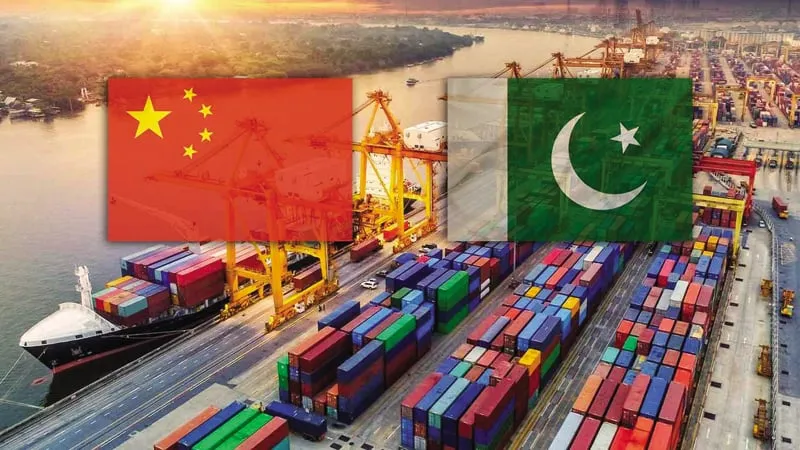
Pakistan is working to expand its export base as part of its long term economic strategy. With rising global competition and changing market demands the country aims to increase the value and volume of its exports while improving product quality and supply chain efficiency. China remains one of Pakistan’s most important partners in this process by providing market access technology support capacity building and industrial cooperation under CPEC.
Strengthening Export Capabilities Through Industrial Collaboration
Industrial cooperation between Pakistan and China plays a central role in supporting export growth. China’s experience in building globally competitive manufacturing sectors offers valuable guidance for Pakistan as it works to modernize its own industrial landscape. Through joint ventures training programs and technology transfer Pakistan can enhance local manufacturing and meet international quality standards.
Special economic zones under CPEC provide an ideal platform for this collaboration. These zones host facilities for textiles chemicals electronics food processing and export oriented manufacturing. Chinese firms bring advanced techniques and equipment while Pakistan offers a skilled workforce and access to regional markets. Together these strengths support the creation of high quality products suitable for global buyers.
Improved Infrastructure for Export Logistics
Efficient logistics are essential for expanding exports. Pakistan has invested heavily in modernizing roads ports and transport routes under CPEC. Improved connectivity enables faster movement of goods reduces transportation costs and enhances reliability for exporters.
Gwadar Port is becoming an important gateway for export shipments. With ongoing upgrades and smart logistics systems exporters now have access to modern handling facilities and streamlined cargo operations. Better road networks linking industrial hubs with major ports allow producers to reach international markets more efficiently.
China’s support in developing logistics technology such as digital tracking systems smart warehousing and optimized shipping schedules helps exporters manage supply chains more effectively. These improvements reduce delays and strengthen confidence among global buyers.
Access to Chinese Markets and Consumer Demand
China’s growing middle class and expanding consumption patterns offer a major opportunity for Pakistani exporters. Products such as textiles leather goods sports equipment seafood and agricultural items have strong potential in Chinese markets. China’s demand for diverse global products has encouraged Pakistan to explore new sectors and improve competitiveness.
Trade facilitation measures including preferential tariffs and simplified customs processes further strengthen access to Chinese markets. Digital trade platforms and export promotion events also help Pakistani companies connect with Chinese buyers. These initiatives create long term trade relationships that increase export stability.
Technology Transfer and Skill Development for Export Industries
China has played a significant role in supporting skill development within Pakistan’s export oriented industries. Training programs held in manufacturing clusters help workers learn new production methods quality assurance techniques and modern machinery operation.
Technology transfer is particularly important for textile and apparel industries. Advanced machinery allows producers to create higher value products that meet global fashion and sportswear standards. Similarly seafood processing centers and agricultural businesses benefit from Chinese expertise in food safety packaging and logistics.
Improved access to technology supports innovation and helps exporters move up the value chain. This shift enables Pakistan to focus on high quality goods rather than relying only on raw or low value products.
Diversifying Export Sectors for Long Term Stability
To achieve long term economic resilience Pakistan is working to diversify its export sectors. Traditional exports such as textiles remain important but new sectors are gaining attention. These include pharmaceuticals information technology engineering goods minerals and processed foods.
Cooperation with China encourages diversification by creating opportunities in emerging industries. Investments in energy industrial zones digital connectivity and research centers provide a foundation for advanced industries to grow. As new sectors expand Pakistan becomes better prepared to adapt to global economic changes.
Agriculture also holds strong potential for export expansion. Modern irrigation systems hybrid seeds cold storage networks and training programs supported by China help farmers improve productivity and meet international quality benchmarks.
Strengthening Export Governance and Quality Standards
Global markets require high standards of quality safety and compliance. Pakistan is focusing on improving certification processes testing facilities and regulatory frameworks to meet these requirements. Chinese partners support these efforts through technical guidance and laboratory development.
Consistent quality helps build trust among international buyers and allows Pakistani products to compete in markets across Asia Europe Africa and the Middle East. Strong governance systems also reduce the risks associated with rejected shipments and supply chain interruptions.
A Forward Looking Export Strategy
Pakistan’s export expansion strategy is built on improving competitiveness strengthening supply chains and exploring new markets. Cooperation with China supports each of these goals by providing infrastructure technology training and access to a large consumer base.
As Pakistan continues to modernize its production and logistics capabilities exporters will benefit from improved efficiency and reduced operational challenges. The partnership with China offers an opportunity to build a sustainable export ecosystem that supports long term economic growth.
With careful planning and increased investment in innovation Pakistan is positioned to expand its global export footprint and strengthen its role in international trade.

