
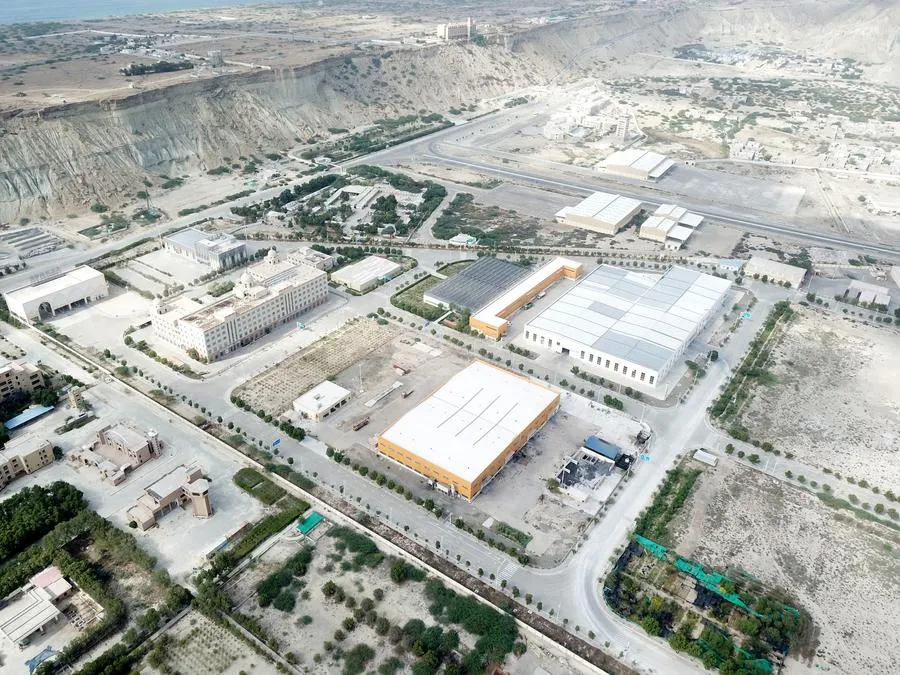
Pakistan’s export sector is entering a new phase of recovery, driven by the industrial expansion taking place under CPEC Phase II. The country’s exports, which had stagnated for several years due to energy shortages and currency instability, are rebounding as new industrial zones begin operations. With improved infrastructure, streamlined logistics, and stronger China–Pakistan collaboration, these CPEC-linked industrial parks are transforming Pakistan from an import-dependent economy into a regional manufacturing hub.
Industrial Transformation Under CPEC 2.0
The second phase of the China–Pakistan Economic Corridor focuses on industrial cooperation and trade-led growth. According to Dawn, three major Special Economic Zones — Rashakai, Dhabeji, and Allama Iqbal Industrial City — are now fully operational and attracting both Chinese and local investors. These SEZs offer tax incentives, reliable energy supply, and advanced logistics systems that were absent in earlier years.
Reuters reports that exports from the Rashakai SEZ alone rose by 25 percent in the first quarter of 2025, driven by textile, electronics, and construction material industries. The corridor’s connectivity to Gwadar Port and the northern border routes allows goods to reach Middle Eastern, Central Asian, and African markets efficiently. This geographic advantage, combined with lower production costs, is turning Pakistan into an important node in regional value chains.
Export Diversification and Value Addition
One of the most significant changes under CPEC 2.0 is the shift from raw material exports to value-added manufacturing. Pakistani firms, often in partnership with Chinese enterprises, are now producing semi-finished and finished goods such as electrical components, home appliances, and processed foods. According to the Business Recorder, this diversification is helping Pakistan stabilize foreign exchange inflows and reduce dependency on a few volatile sectors like textiles and rice.
New industries are also integrating modern technologies such as robotics and IoT for production efficiency. These digital innovations, introduced by Chinese partners, enable real-time monitoring and automated quality control, enhancing competitiveness in export markets.
Infrastructure and Logistics Connectivity
CPEC’s infrastructure upgrades are providing the logistical backbone for export-led growth. Highways, rail links, and dry ports built under the project are connecting production centers directly to export terminals. CGTN highlights that Gwadar Port now serves as a multi-purpose trade gateway handling goods not only from Pakistan but also from western China.
The introduction of AI-assisted freight management systems has reduced cargo delays and improved coordination between customs, shipping lines, and logistics companies. This technological leap is cutting transportation costs and making Pakistani exports more price-competitive internationally.
Financial Support and Investment Confidence
Strong financial cooperation between Islamabad and Beijing is also bolstering export capacity. The State Bank of Pakistan has established a Joint Financing Framework with Chinese development banks to fund export-oriented industries. The agreement includes concessional loans and credit lines for small and medium enterprises engaged in manufacturing and export.
Nikkei Asia reports that Chinese firms are reinvesting profits into Pakistani ventures, signaling long-term confidence in the local economy. This reinvestment is particularly visible in the renewable energy, IT, and construction materials sectors, which are now expanding their export footprint to Africa and the Gulf region.
Sustainability and Policy Alignment
To ensure that the new industrial momentum is sustainable, both governments are aligning policies for environmental compliance and social inclusion. Reuters notes that the Dhabeji SEZ operates Pakistan’s first green industrial zone, powered by solar energy and equipped with wastewater recycling plants. The initiative aims to make Pakistan’s manufacturing exports competitive not only in cost but also in environmental standards — a growing demand in European and Asian markets.
On the policy front, Pakistan’s Ministry of Commerce is coordinating with Chinese experts to establish digital trade corridors and e-export platforms. These tools allow small exporters to access global buyers directly through verified digital systems, boosting transparency and traceability.
Conclusion
Pakistan’s export resurgence under CPEC 2.0 reflects a decisive shift toward industrial modernization and regional integration. The establishment of new SEZs, the expansion of manufacturing capacity, and the introduction of smart logistics are combining to reposition the country as a competitive exporter within Asia. With China’s continued support and a growing base of local innovation, Pakistan’s industrial sector is becoming the engine of sustainable economic growth. The next phase will determine how effectively this momentum translates into long-term export stability and prosperity for millions of workers across the nation.

