
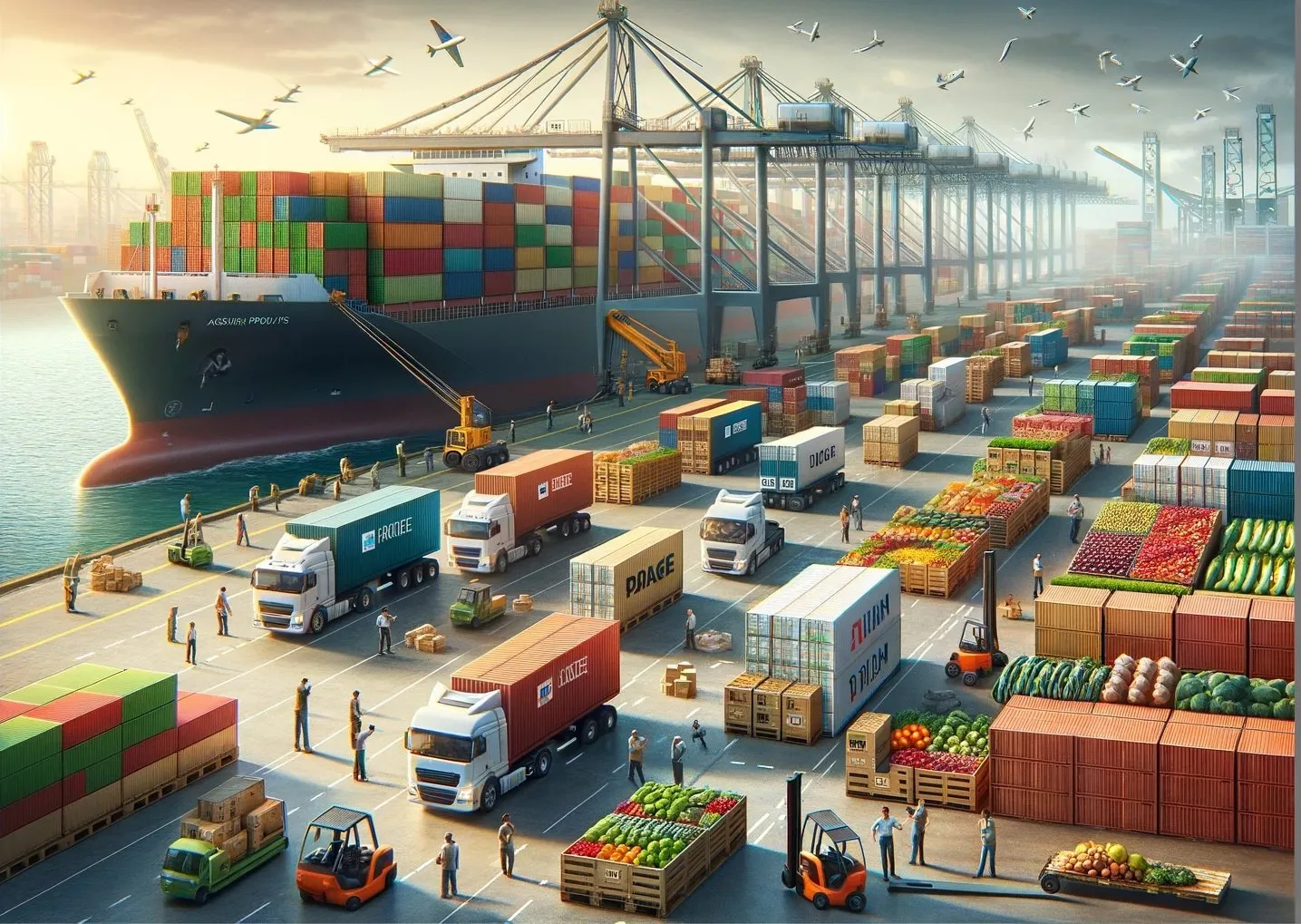
Pakistan’s export performance is gaining momentum as digitization efforts at major ports transform the logistics and shipping landscape. The automation of customs, cargo handling, and documentation processes at Karachi, Port Qasim, and Gwadar is significantly reducing turnaround times and trade costs. According to the Ministry of Commerce, export volumes in the first three quarters of this fiscal year have grown by more than twelve percent, driven by operational efficiency, improved connectivity, and transparency introduced through digital management systems. These changes mark a fundamental shift in how Pakistan manages its maritime trade within the broader CPEC framework.
AI and Automation Streamline Operations
Artificial intelligence and advanced logistics software are being deployed across key port facilities to manage cargo flow and vessel scheduling. Automated cranes, digital tracking sensors, and cloud-based platforms now coordinate the movement of goods from container yards to inland dry ports. The introduction of predictive analytics allows authorities to anticipate cargo bottlenecks and adjust operations before delays occur. These systems have already reduced average container processing time by nearly thirty percent, placing Pakistan’s major ports in line with global performance standards for emerging economies.
Digital Customs and Transparency Reforms
The Federal Board of Revenue has implemented an integrated digital customs system that connects shipping agents, exporters, and customs officials through a unified online portal. The system allows exporters to submit documentation electronically and receive clearance within hours instead of days. Digital verification tools minimize the potential for corruption and ensure compliance with international trade protocols. The reforms have made Pakistani ports more competitive and have improved the ease of doing business rankings in the region.
Gwadar’s Role in Trade Diversification
Gwadar Port, once a symbol of long-term promise, is now becoming an active contributor to national exports. With new digital command centers and port management software, Gwadar is efficiently handling shipments of seafood, minerals, and construction materials bound for the Middle East and East Africa. Enhanced coordination with road and rail logistics under CPEC ensures that export goods reach the port faster, lowering inland freight costs. The government aims to position Gwadar as a central hub for transshipment and value-added exports within the next five years.
Private Sector Collaboration in Port Modernization
Port digitalization has been accelerated through strong collaboration between the public and private sectors. International logistics firms, Chinese technology providers, and Pakistani port authorities have established joint ventures to deploy AI-based tracking systems, automated billing solutions, and remote cargo monitoring. These partnerships are introducing global best practices into Pakistan’s maritime infrastructure while generating employment in logistics technology and port management. The integration of private sector innovation is driving efficiency and boosting investor confidence in Pakistan’s trade capacity.
Boosting Industrial and Agricultural Exports
The modernization of ports has had a direct impact on industrial and agricultural exports. Textile shipments to China and the Gulf are now processed faster, reducing delivery times by nearly a week. Similarly, agricultural exporters have gained from improved cold-chain logistics and digital inspection systems that ensure freshness and compliance with international standards. By reducing logistical barriers, Pakistan’s exporters are becoming more competitive in regional and global markets. These improvements also support the government’s broader strategy to diversify exports beyond textiles into technology, minerals, and processed food sectors.
Policy Support and Infrastructure Alignment
The Ministry of Maritime Affairs and the Pakistan Single Window Authority are aligning port digitization efforts with broader trade policy reforms. Initiatives include paperless documentation, digital tariff management, and cross-border trade integration with China and Central Asia. The Asian Development Bank and World Bank have extended technical support for digital port upgrades, highlighting Pakistan’s commitment to transparent and efficient trade governance. These coordinated efforts are strengthening the foundation for sustainable export growth.
Toward a Smart Maritime Economy
Pakistan’s success in improving port efficiency through digital transformation reflects its broader transition toward a smart maritime economy. The combination of automation, transparency, and policy reform is reshaping the logistics landscape and reducing operational bottlenecks that once hindered trade competitiveness. With continued investment and technological adaptation, Pakistan is positioning its ports as gateways for regional integration and economic expansion.
The ongoing digitization of maritime infrastructure represents more than modernization it signifies Pakistan’s emergence as a connected, efficient, and forward-looking trading nation capable of meeting the demands of a rapidly evolving global economy.

