
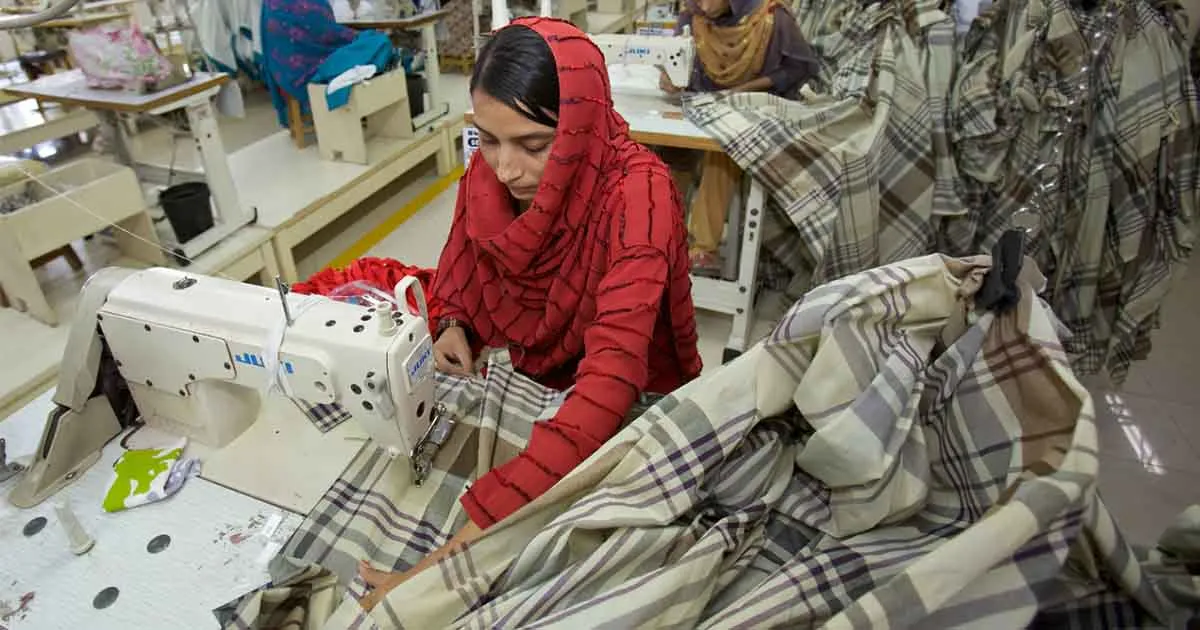
Pakistan’s export performance to China has seen a significant boost in 2025, largely driven by surging textile demand and improved market access under the second phase of the China–Pakistan Free Trade Agreement (CPFTA-II). Official data from Pakistan’s Ministry of Commerce indicates that exports to China crossed the 3.6-billion-dollar mark in the first eight months of the year, a 22-percent increase compared to the same period in 2024. This marks the strongest performance since the pandemic, signaling that Pakistani industries are regaining competitiveness through better production quality and deeper integration with Chinese supply chains.
The textile sector, particularly cotton yarn, home furnishings, and apparel, has emerged as the centerpiece of this recovery. Chinese buyers, facing rising costs in Southeast Asia, are increasingly sourcing from Pakistan’s spinning and garment clusters in Faisalabad, Karachi, and Lahore. Industry analysts attribute this trend to both lower production costs and renewed confidence in Pakistan’s export reliability following improved energy supply and logistic connectivity under the CPEC framework.
CPFTA-II as a Trade Enabler
The China–Pakistan Free Trade Agreement Phase-II, implemented in early 2020, gave Pakistani exporters tariff-free access to over 300 new product lines. Textile goods, seafood, leather, and plastics were among the key sectors benefiting from these concessions. This year, those advantages have matured into tangible results. According to the Trade Development Authority of Pakistan (TDAP), more than 50 percent of textile exports to China now utilize the CPFTA preferential route, reducing costs by up to 15 percent compared with regional competitors.
Pakistan’s Commerce Minister recently highlighted that Chinese buyers have shown growing interest in joint branding and co-manufacturing arrangements, especially in apparel and denim products. The “Made in Pakistan for China” label, once symbolic, is now a practical market identity supported by both government and private-sector initiatives. Several Pakistani manufacturers are exploring long-term supply contracts with Chinese fashion platforms such as Shein and Temu, which are expanding procurement from South Asia to diversify supply chains.
The Textile Surge Explained
China’s domestic textile demand has rebounded strongly since the easing of consumption controls and the launch of its “new quality productivity” agenda. Rising middle-class incomes and e-commerce retail growth are pushing local brands to expand their supplier base. For Pakistan, this has created an opportunity to fill mid-tier product gaps that previously went to Vietnam or Bangladesh. Cotton yarn exports to China have risen by 28 percent year-on-year, while value-added textile exports, including towels and bedsheets, are up 19 percent.
Manufacturers credit improved energy stability as a key factor. Power outages and gas shortages, which previously disrupted production schedules, have decreased due to investments in renewable and coal-hybrid CPEC power projects. This reliability has strengthened Pakistan’s position as a dependable supplier for Chinese importers seeking consistent delivery cycles.
Logistics and the CPEC Advantage
CPEC infrastructure continues to play a crucial role in trade facilitation. The expansion of the Karakoram Highway and the opening of Gwadar’s logistics corridor have shortened delivery times for shipments to western China by nearly 35 percent. The Gwadar Free Zone has started pilot operations for bonded warehousing, allowing exporters to consolidate shipments before customs clearance. Chinese freight companies operating under the digital CPEC logistics platform are helping small and medium exporters reduce freight costs and track cargo using smart container technology.
According to Pakistan’s Customs Department, more than 40 percent of textile cargo to China now moves through the new road-rail integration route connecting Karachi Port to Kashgar via Gilgit. This alternative to maritime transport has proved faster and less vulnerable to international freight disruptions, offering a unique land-based export advantage.
RMB Settlement Gains Momentum
An important development accompanying the trade surge is the gradual shift toward RMB-denominated settlements. The State Bank of Pakistan has authorized several commercial banks, including the National Bank of Pakistan and Bank of China Pakistan, to handle cross-border RMB payments directly. This policy is reducing dependence on the US dollar for bilateral trade and lowering transaction costs for exporters.
Textile exporters report that RMB settlement shortens payment clearance times from an average of seven days to under forty-eight hours. The shift also protects exporters from dollar exchange volatility and enhances liquidity in Chinese markets. Analysts expect RMB trade settlement between the two countries to reach 25 percent of total bilateral transactions by 2026 if current trends continue. This aligns with Beijing’s broader goal of internationalizing the yuan through trusted regional partners, and with Pakistan’s aspiration to stabilize its foreign exchange reserves.
Investment and Industrial Cooperation
Chinese investment in Pakistan’s textile sector is also on the rise. Several joint ventures have been launched under the CPEC Industrial Cooperation framework, focusing on spinning mills, dyeing facilities, and technical textile manufacturing. A notable example is the Jiangsu-Faisalabad Textile Park project, where Chinese investors are establishing production lines for synthetic fibers and specialized fabrics used in sportswear. These projects bring technology transfer, employment opportunities, and new export products with higher value addition.
Pakistan’s Board of Investment estimates that the textile industrial zones under development could attract up to 1.5 billion dollars in Chinese investment over the next five years. These partnerships aim to integrate Pakistan’s textile exports directly into China’s domestic supply chains and e-commerce networks, ensuring consistent demand and stable pricing.
Policy and Competitiveness Challenges
Despite the positive trajectory, challenges remain. Exporters continue to face bottlenecks in customs clearance, certification standards, and logistics coordination. Meeting China’s environmental and labor compliance standards has also become increasingly important, particularly for firms seeking long-term contracts with state-linked enterprises. The Pakistan Textile Council has urged the government to accelerate adoption of digital certification systems and improve traceability to match Chinese import requirements.
Financial constraints and inconsistent tax policies have slowed industrial upgrades. Analysts warn that without sustained policy continuity, Pakistan could lose momentum as competitors such as Bangladesh and India enhance their market presence through subsidized exports and stronger branding. To maintain growth, the government is finalizing a new “China Trade Facilitation Policy” that includes export insurance coverage, industrial power rebates, and preferential financing for exporters.
Broader Economic Impact
The textile export surge to China carries wider economic significance. It has helped narrow Pakistan’s trade deficit and provided much-needed foreign currency inflows at a time when the country faces external payment pressures. The growth of RMB trade settlement has also diversified the central bank’s currency reserves, reducing exposure to dollar liquidity risks. For small and medium enterprises, digital trade platforms under CPEC have opened access to Chinese markets that were previously unreachable due to scale and certification barriers.
Employment generation is another notable impact. According to the All Pakistan Textile Mills Association (APTMA), more than 100,000 new jobs were created in 2024–2025 across the spinning, weaving, and garment sectors due to rising export orders. This expansion also encourages value-addition in domestic production, moving Pakistan beyond raw material exports toward finished goods manufacturing.
Conclusion
Pakistan’s growing textile exports to China underscore how strategic trade policy, infrastructure investment, and digital integration can revive industrial competitiveness. The CPFTA-II framework, supported by CPEC logistics and RMB settlement, has transformed bilateral trade into a more balanced and sustainable partnership. The next challenge lies in scaling this success across other sectors such as agriculture and electronics while maintaining quality, compliance, and innovation. If momentum continues, Pakistan’s textile sector could emerge not just as a regional exporter but as a vital link in China’s evolving consumer economy.

