
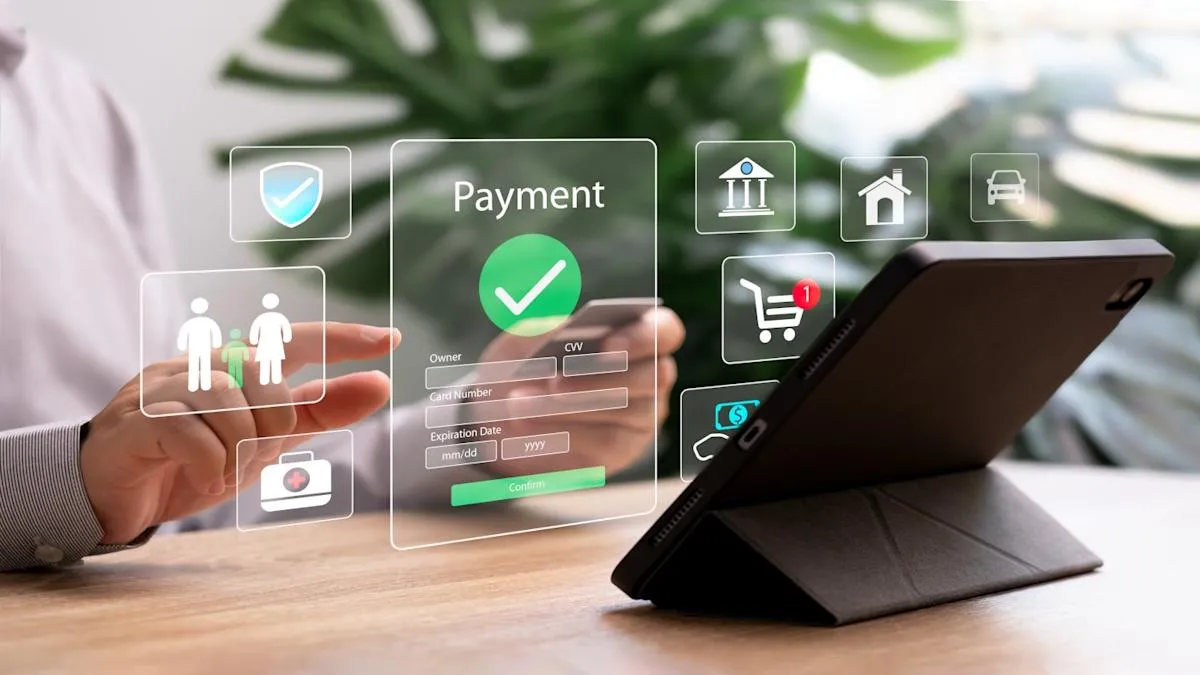
Local startups are enabling faster, more secure, and cost-effective digital transactions between Pakistan and China, reshaping the online shopping landscape
For online merchants in Pakistan, importing goods from China has traditionally been a complex and time-consuming process. Delays in payment settlement, fluctuating exchange rates, and high banking fees often disrupt cash flow and reduce profit margins. Small business owners in Karachi and Lahore report frequent frustrations as payments take days to clear through traditional channels, sometimes impacting delivery schedules and pricing strategies.
Recently, some local merchants have begun integrating advanced digital payment solutions into their platforms. These systems allow near-instant settlement of cross-border transactions, offering predictable pricing and lower fees. By embedding digital payment gateways into online stores, retailers can provide customers with immediate confirmation of successful payments. The result is increased trust, higher completion rates for online purchases, and improved inventory management as businesses can restock popular items more efficiently.
Fintech startups in Pakistan’s major cities are at the forefront of this transformation. By developing user-friendly APIs for integration with e-commerce platforms, these companies make cross-border payments seamless and secure. Founders emphasize that the goal is to reduce friction in online commerce, enabling merchants to offer competitive prices without concern for currency volatility. The platforms are designed to be intuitive, making adoption easier for businesses of all sizes and ensuring that payment processing is transparent and reliable.
Collaboration with local banks is a crucial component of this ecosystem. Financial institutions provide custodial services, wallet management, and compliance support, reassuring both merchants and consumers. Startups also coordinate closely with regulators to meet anti-money laundering, know-your-customer, and reporting requirements. Pilot programs allow fintech companies to test systems in real-world conditions while maintaining transparency and security, ensuring that the technology benefits users without compromising regulatory standards.
Tech-savvy consumers, particularly younger demographics, are highly receptive to these digital payment solutions. Students, freelancers, and young professionals increasingly prefer platforms that allow fast and secure transactions without currency conversion issues. Social media campaigns, tutorials, and awareness drives educate users on the benefits of instant settlement and predictable pricing. This engagement helps build confidence among consumers, encourages experimentation with digital wallets, and fosters a broader culture of financial inclusion.
The adoption of these payment solutions has significant implications for cross-border trade. Merchants importing goods from China can bypass traditional banking intermediaries, reducing costs and improving supply chain efficiency. Settling transactions directly in digital currency minimizes dependency on intermediary currencies, reducing exposure to exchange rate fluctuations and transaction fees. Analysts suggest that widespread adoption could reshape regional trade dynamics, making cross-border commerce more predictable and accessible for small and medium-sized enterprises.
Challenges remain, however. Digital literacy is uneven across Pakistan, and some consumers are unfamiliar with electronic wallets and online payment systems. Infrastructure for digital payments is still developing, particularly in rural areas. Fintech startups are addressing these gaps through simplified interfaces, educational initiatives, and partnerships with major e-commerce platforms. Security is also a top priority, with companies implementing multi-layered encryption, real-time transaction monitoring, and compliance verification to protect both merchants and consumers. Over time, as awareness increases and technology matures, these barriers are expected to diminish.
Conclusion: Building a Faster, Safer, and More Inclusive E-Commerce Ecosystem
Pakistan’s fintech sector is strategically positioning itself to enhance cross-border e-commerce. By enabling faster, more secure, and transparent payments, startups are improving the experience for both merchants and consumers. Collaborations with banks and regulators provide institutional oversight and compliance assurance, further strengthening the ecosystem.
For merchants, digital payment integration means smoother operations, reduced reliance on traditional banking channels, and greater competitiveness in the regional market. Consumers benefit from transparency, convenience, and instant transaction confirmation, while younger demographics are empowered to embrace digital financial tools.
As adoption grows, these innovations could reshape trade practices between Pakistan and China, strengthen the country’s e-commerce sector, and foster financial inclusion. The combined efforts of fintech startups, banks, and regulatory bodies are laying the foundation for a modern, efficient, and secure digital commerce landscape that is poised for sustained growth.

