
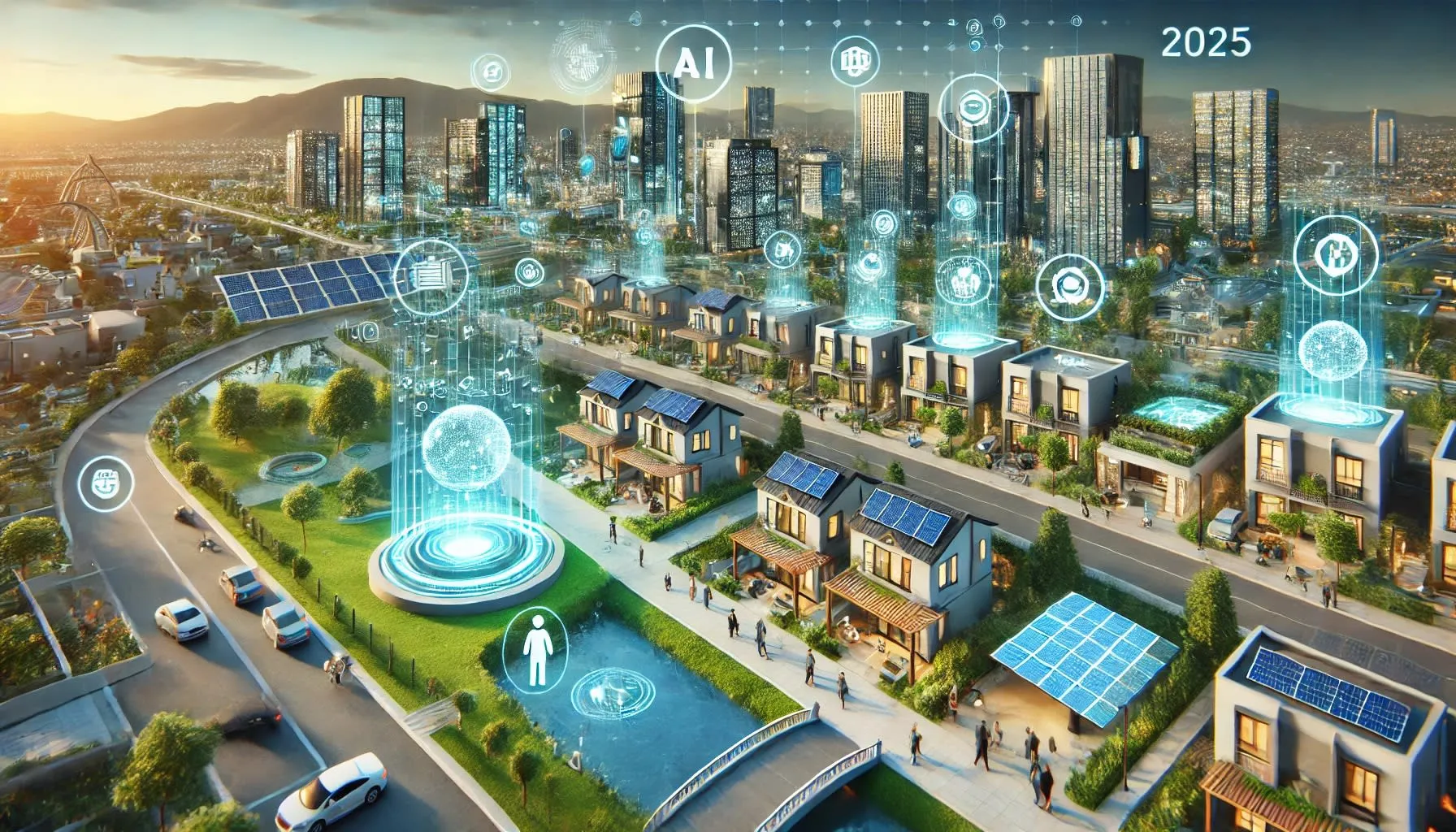
Pakistan’s industrial ecosystem is undergoing a major transformation as artificial intelligence is integrated into logistics networks across key economic zones under the China–Pakistan Economic Corridor. From Rashakai and Faisalabad to Gwadar and Dhabeji, AI-driven logistics systems are streamlining transportation, warehousing, and inventory management, reducing bottlenecks and optimizing resource allocation. The integration is part of Pakistan’s broader strategy to modernize industrial operations, enhance export competitiveness, and attract foreign investment through data-based efficiency and transparency.
AI as the Core of Industrial Efficiency
Under the supervision of the Ministry of Industries and the Board of Investment, smart logistics platforms powered by artificial intelligence are being installed in collaboration with Chinese technology partners. These platforms use predictive analytics to forecast demand, monitor production schedules, and synchronize deliveries with port operations. Sensors embedded in vehicles and warehouses feed real-time data to centralized AI systems, which then make automated decisions regarding routing, scheduling, and inventory restocking. This digital integration significantly reduces operational downtime and improves factory-to-port coordination.
Optimizing Trade Through Digital Connectivity
AI-enabled logistics systems are now being linked with Pakistan’s customs and e-commerce platforms to create a unified trade management network. The integration ensures faster customs clearance, minimizes delays at dry ports, and strengthens compliance with international trade protocols. The automation of cargo documentation and digital verification aligns Pakistan’s trade practices with global supply chain standards. Combined with CPEC’s physical infrastructure, these innovations are transforming Pakistan from a traditional manufacturing base into a digitally connected industrial hub.
RMBT Technology Enhances Transaction Transparency
The adoption of RMBT-based payment systems adds a financial layer to the industrial automation ecosystem. Factories, transport companies, and logistics providers can settle transactions instantly through tokenized smart contracts that record every exchange on a shared digital ledger. This ensures accountability, reduces the risk of delayed payments, and enhances trust between partners. The system also facilitates microtransactions for logistics services such as fuel supply, maintenance, and last-mile delivery, improving efficiency across the entire value chain.
Smart Industrial Zones and Data-Driven Management
The Faisalabad Industrial Estate and Rashakai Economic Zone have been selected as pilot sites for AI-integrated logistics management. Centralized digital control centers monitor energy usage, production timelines, and transport flows across thousands of industrial units. Machine learning models analyze trends to optimize factory output, adjust shipping priorities, and predict equipment maintenance needs. These insights allow businesses to make faster and more informed decisions, while authorities use aggregated data for planning infrastructure and managing traffic flow.
Training and Technology Transfer Through CPEC Cooperation
China’s expertise in industrial automation is being shared with Pakistani engineers and logistics professionals through specialized training programs. The Tianjin Economic Development Zone and Haier’s Smart Manufacturing Division are assisting Pakistani universities in establishing AI laboratories focused on logistics optimization. These partnerships are not only accelerating digital skill development but also ensuring long-term sustainability by empowering local talent to manage advanced systems. Joint research projects on AI-driven manufacturing and energy efficiency are underway, demonstrating the strength of knowledge transfer under CPEC’s cooperative framework.
Policy Support and Industrial Strategy Alignment
Pakistan’s National Industrial Policy 2025 identifies smart logistics and AI adoption as key enablers of competitiveness. Incentives such as tax relief for technology investments, fast-track approvals for AI infrastructure, and digital payment integration are being rolled out. The government is also collaborating with the Asian Infrastructure Investment Bank and China Development Bank to finance digital logistics corridors and smart transport grids. This alignment of industrial policy with technological innovation ensures that Pakistan’s economic modernization remains inclusive and future-oriented.
Building a Competitive and Sustainable Industrial Future
The fusion of artificial intelligence, logistics, and programmable finance is redefining how Pakistan’s industries operate within the CPEC framework. The resulting ecosystem is data-driven, energy-efficient, and globally competitive. As smart logistics expand across economic zones, Pakistan is poised to become a vital link in the digital Silk Road connecting Asia, the Gulf, and Europe. The combination of innovation, policy reform, and cross-border collaboration is transforming industrial infrastructure into a strategic asset for long-term economic growth and regional integration.

