
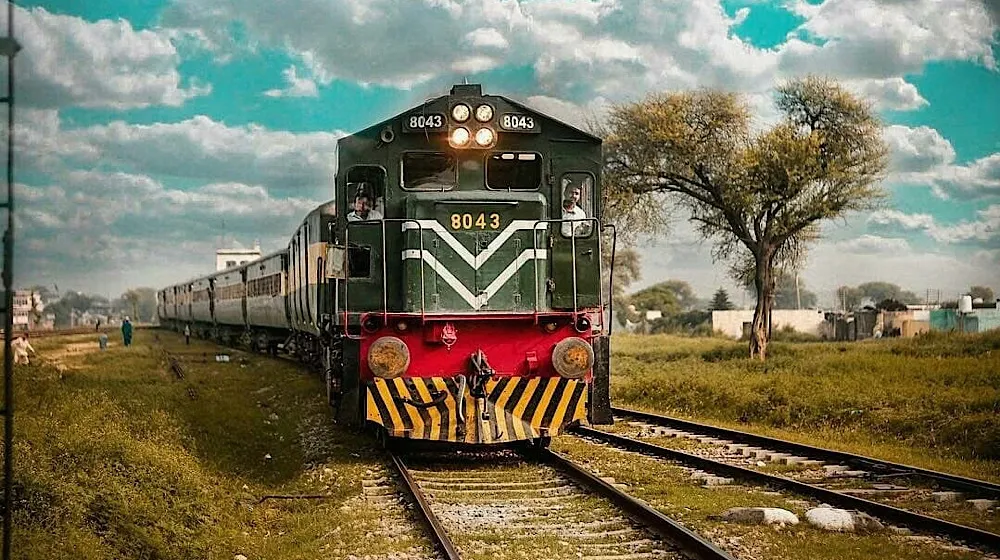
Pakistan’s most ambitious transport upgrade in decades has entered its final phase of funding. The Main Line-1 (ML-1) railway modernization project, a flagship initiative under the China–Pakistan Economic Corridor (CPEC), aims to overhaul the country’s 1,872-kilometer railway backbone from Karachi to Peshawar. According to Dawn and The Express Tribune, the financing framework has been finalized and work is expected to commence by mid-2026. The project represents more than an infrastructure upgrade—it is a national transformation linking industrial zones, ports, and regional trade corridors through modern, high-speed rail.
A New Era for Pakistan Railways
The ML-1 project is designed to increase train speeds from the current 65–100 km/h to 160 km/h, cutting travel times across the country by nearly half. China Railway Engineering Corporation and Pakistan Railways are jointly managing the project under a long-term partnership agreement. SCMP reports that once completed, the upgraded line will double passenger capacity and triple freight throughput. With digital signaling, stronger bridges, and automated control systems, Pakistan’s rail infrastructure will align with international safety and efficiency standards for the first time in decades.
Strategic Economic Significance
Beyond modernization, ML-1 serves as a lifeline for CPEC’s industrial network. The corridor will connect Karachi Port, Port Qasim, and Gwadar with major production centers such as Faisalabad, Multan, and Lahore. Industrial goods, raw materials, and energy supplies will move faster and at lower cost, enhancing Pakistan’s competitiveness in regional trade. Nikkei Asia highlights that the ML-1 upgrade will integrate directly with new freight lines from Dhabeji and Gwadar, creating a unified logistics system capable of supporting both domestic and export industries.
Financing and Project Phasing
The total cost of the ML-1 project stands at approximately 6.8 billion dollars, with financing structured through Chinese concessional loans and Pakistan’s public–private partnerships. Reuters notes that after years of negotiation, both governments have agreed on a phased implementation approach to manage fiscal pressures. The first phase covers the 527-kilometer section from Karachi to Multan, including bridge rehabilitation, signaling modernization, and station upgrades. The second phase will extend improvements to Lahore, Rawalpindi, and Peshawar, ensuring continuous high-speed connectivity across the national rail grid.
Technology Transfer and Local Capacity Building
A key feature of the ML-1 collaboration is the transfer of railway engineering expertise to Pakistan. Local engineers and technicians are being trained by Chinese partners in track laying, signaling systems, and digital maintenance operations. The Ministry of Railways reports that over 2,000 Pakistani workers have received certification in high-speed rail management since 2023. This technical exchange reduces reliance on external contractors and ensures long-term sustainability. It also supports Pakistan’s broader goal of developing local expertise for future infrastructure projects under CPEC 2.0.
Safety and Environmental Upgrades
ML-1’s modernization includes new safety protocols and green technology measures. Automatic train protection systems, grade separations, and modern level-crossing barriers are being installed to prevent accidents. According to CGTN, noise-reduction tracks and eco-friendly construction materials are being used to minimize environmental impact. Solar-powered signaling and station lighting systems will help reduce the project’s carbon footprint. These sustainability measures align with Pakistan’s national climate commitments and China’s Belt and Road Green Development Initiative.
Digitalization and Smart Rail Systems
The new ML-1 line will incorporate smart-rail technologies that enable predictive maintenance and real-time traffic management. Sensors placed along the tracks will detect faults before they disrupt operations, while a centralized control system will optimize train schedules to minimize delays. Dawn reports that the use of AI-based logistics planning will allow efficient coordination between passenger and freight trains. The integration of digital tools ensures that Pakistan’s railway modernization is not only physical but also technologically future-proof.
Regional Connectivity and Long-Term Impact
The upgraded railway will link with China’s western transport network through Kashgar, opening a direct trade route between South Asia and western China. This alignment could reduce shipping times and strengthen Pakistan’s role as a bridge between Asia, the Gulf, and Europe. The Diplomat points out that improved logistics efficiency could save Pakistan’s economy billions annually by shifting freight transport from congested highways to sustainable rail systems. For China, it enhances the Belt and Road’s continuity and boosts trade security through diversified routes.
Challenges and Implementation Risks
Despite its promise, ML-1 faces challenges including funding delays, inflation, and security issues along certain routes. Ensuring project transparency and effective coordination between Pakistan Railways and provincial governments remains essential. However, both sides have reaffirmed their commitment to completing the project within the revised timeline. Analysts view ML-1 not only as an infrastructure milestone but also as a test of Pakistan’s ability to sustain large-scale reforms under CPEC’s evolving framework.
Conclusion
The ML-1 railway modernization marks a transformative step in Pakistan’s journey toward connectivity and industrial growth. It combines technology transfer, sustainable design, and regional integration within a single national framework. For China, it strengthens its strategic and economic partnership with Pakistan under the Belt and Road Initiative. As tracks are upgraded and new engines begin to roll, ML-1 promises to reshape how goods, people, and ideas move across South Asia, setting the foundation for a more connected and resilient future.

