
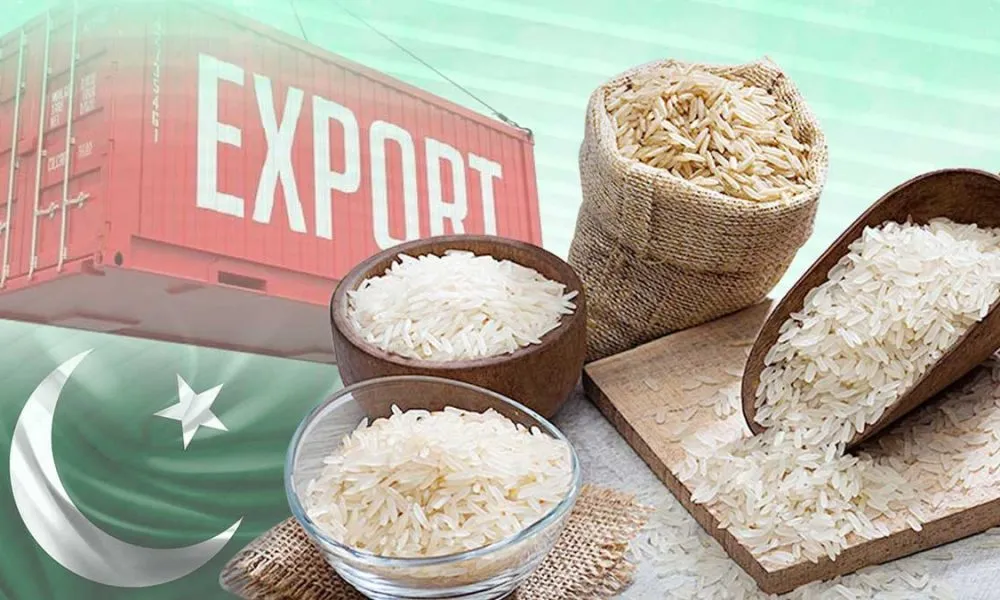
In a remarkable development highlighting the deepening economic partnership between Pakistan and China, Pakistan’s rice exports to China have surged by 70 percent in the first eight months of 2025. According to official trade data, exports reached $44.31 million compared to $26.30 million during the same period last year. This substantial growth underscores Pakistan’s rising role as a reliable agricultural supplier and reflects the broader strategic benefits of the China-Pakistan Economic Corridor (CPEC) and related bilateral trade initiatives.
Agriculture has historically been a cornerstone of Pakistan’s economy, employing millions and contributing significantly to the national GDP. Rice, in particular, is among Pakistan’s most valuable agricultural exports, with basmati varieties renowned for their aroma and quality. China’s growing demand for high-quality rice has provided Pakistani farmers and exporters with a lucrative opportunity to expand their market share, diversify income sources, and strengthen trade relations between the two nations. Officials from Pakistan’s Ministry of Commerce noted that the surge in exports aligns with the country’s broader agricultural modernization programs and trade facilitation measures designed to improve competitiveness and efficiency in the sector.
The impressive growth in rice exports is a result of several factors. First, infrastructural improvements under CPEC, including upgraded road networks and port facilities, have significantly reduced transportation time and logistics costs. Goods transported from Pakistan’s major rice-producing regions, such as Punjab and Sindh, can now reach Chinese markets more efficiently. Enhanced connectivity through Gwadar Port and improved rail links also facilitates bulk shipments, ensuring timely delivery and consistency in quality, which has strengthened Pakistan’s reputation as a reliable supplier.
Second, strategic agreements and memoranda of understanding between Pakistan and China have opened up preferential trade arrangements that simplify customs procedures and reduce tariff barriers. These agreements allow Pakistani rice exporters to access Chinese markets under favorable conditions, enabling them to compete more effectively with other international suppliers. The enhanced trade terms are part of a broader effort to strengthen bilateral economic cooperation and integrate Pakistan more closely into China’s supply chain ecosystem.
Third, targeted investments in agricultural technology and production efficiency have contributed to the increase. Pakistani rice farmers are adopting modern cultivation techniques, improved seed varieties, and mechanized harvesting methods to boost yields and maintain consistent quality. Chinese agricultural advisors and technical teams have played a key role in knowledge transfer, helping Pakistani farmers optimize irrigation, pest control, and post-harvest handling processes. These innovations not only increase production but also ensure that the exported rice meets the stringent quality standards demanded by Chinese consumers.
The rise in exports also reflects strategic efforts to diversify Pakistan’s agricultural trade. By expanding into the Chinese market, Pakistani producers reduce dependency on traditional markets such as the Middle East and Europe. This diversification enhances resilience against fluctuations in global commodity prices and strengthens the overall stability of Pakistan’s agricultural economy. Furthermore, increased exports to China have a positive multiplier effect on related sectors, including packaging, logistics, and export finance, generating additional employment and business opportunities across the supply chain.
The government of Pakistan has emphasized the broader economic significance of this growth. Increased rice exports contribute to foreign exchange earnings, strengthen the trade balance, and support rural development by providing stable incomes to farming communities. Policymakers have highlighted that sustained growth in agricultural exports can help drive rural economic uplift, reduce poverty, and improve living standards in key rice-producing regions. Additionally, the success of the rice export sector serves as a model for promoting other high-value agricultural products in the Chinese market, further expanding bilateral trade opportunities.
China’s demand for Pakistani rice is driven by both consumption trends and strategic food security considerations. With a population exceeding 1.4 billion, China seeks reliable suppliers for staple commodities, and Pakistan’s rice, particularly basmati and long-grain varieties, meets these quality and reliability requirements. Strengthened supply chains, backed by bilateral agreements and infrastructure improvements, ensure that Pakistani exports can meet large-scale demand consistently, positioning Pakistan as a preferred partner for China in the agricultural sector.
Analysts note that the 70 percent increase in exports is likely to accelerate further, as ongoing initiatives under CPEC’s second phase create additional opportunities for trade and investment. Special Economic Zones, improved logistics, and targeted technical assistance are expected to support greater production, reduce operational inefficiencies, and enhance competitiveness. The integration of technology in agriculture, combined with supportive policy measures, provides Pakistani exporters with the tools necessary to capitalize on expanding Chinese demand and maximize trade potential.
Beyond the immediate economic benefits, the surge in rice exports reflects the broader strategic and diplomatic significance of Pakistan-China relations. Food trade is a vital component of economic diplomacy, and successful collaboration in agriculture strengthens trust, interdependence, and shared prosperity between the two nations. The growth in rice exports serves as a tangible example of how bilateral initiatives, infrastructural development, and knowledge transfer can yield measurable outcomes that benefit both countries.
conclusion
Pakistan’s 70 percent increase in rice exports to China represents more than a commercial achievement; it is a demonstration of the effectiveness of strategic collaboration under CPEC, infrastructure enhancements, and bilateral trade policies. The combination of modernized production techniques, improved logistics, and favorable trade arrangements has created a conducive environment for sustained agricultural growth. As Pakistan continues to invest in technology, human capital, and infrastructure, the potential for further expansion in agricultural exports remains significant. This development not only strengthens Pakistan’s economy but also reinforces the enduring partnership between Pakistan and China, highlighting how shared strategic vision and cooperative efforts can yield tangible, long-term benefits. With continued commitment and coordination, Pakistan’s agricultural sector is poised to play an increasingly vital role in regional trade, economic development, and bilateral prosperity.

